In Saskatoon’s city centre, a new school is rising from the material legacy of the Prairies. Scheduled to open in 2027, misiwe-kisik | One Sky school (pronounced mis-ih-wee kee-sik) is more than a replacement for three aging, legacy elementary schools. It is a project rooted in reconciliation, adaptive reuse, and a distinctly regional approach to timber construction.
Structurally designed by ISL Engineering and Land Services in collaboration with Kindrachuk Agrey Architecture, the prime consultant, the three-storey PK–8 school combines contemporary mass timber systems with reclaimed nail-laminated timber (NLT) panels salvaged from century-old Saskatchewan grain elevators. The result is a highly technical, modern timber building that carries deep cultural and material resonance.

FEATURE
Under One Sky: Reclaimed Grain Elevators Shape a New Timber School in Saskatoon
Scroll to Read

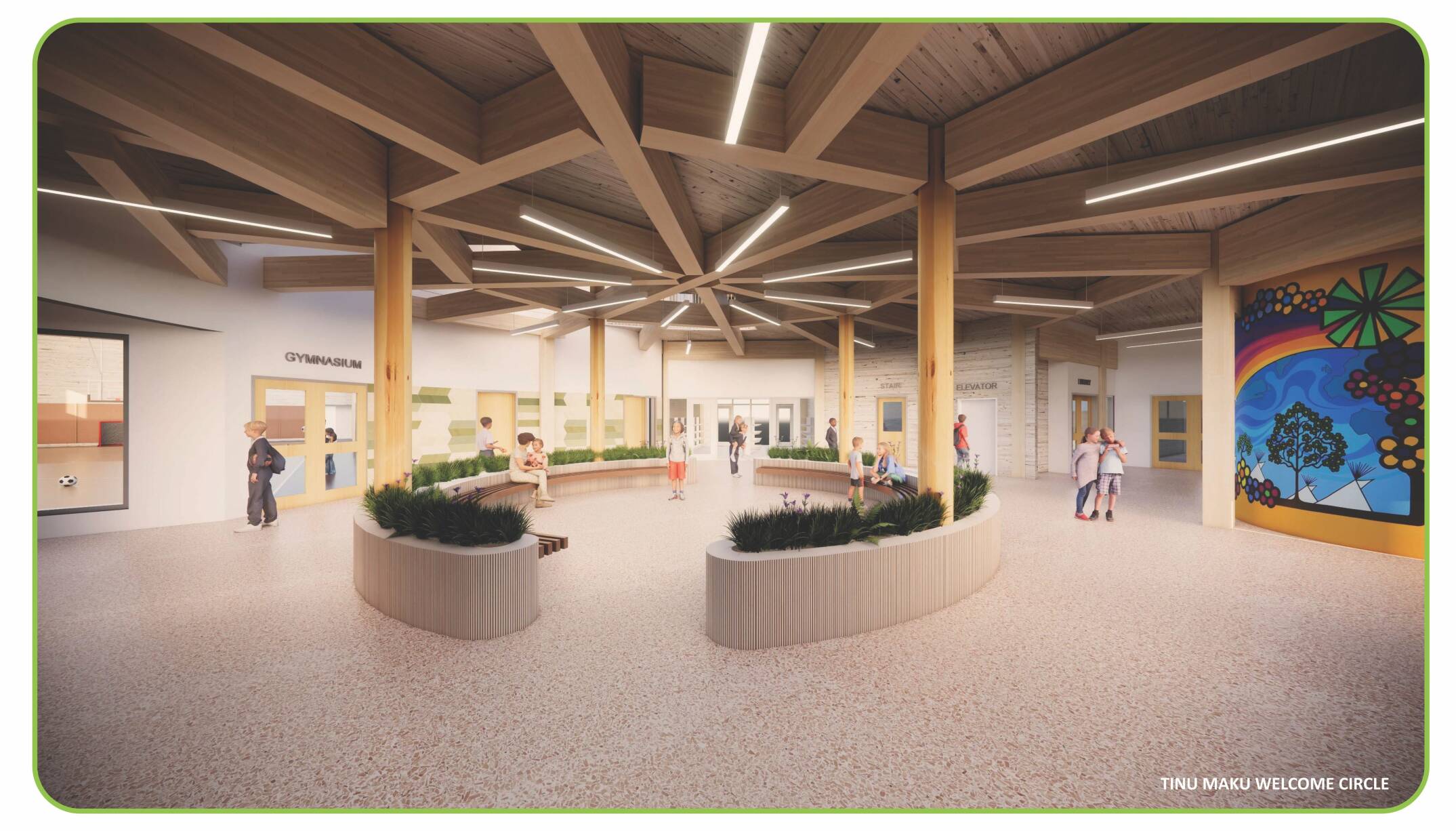
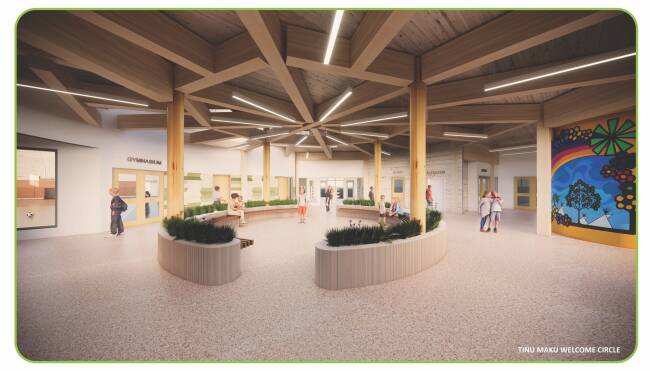
Welcome Circle Rendering by Kindrachuk Agrey Architecture
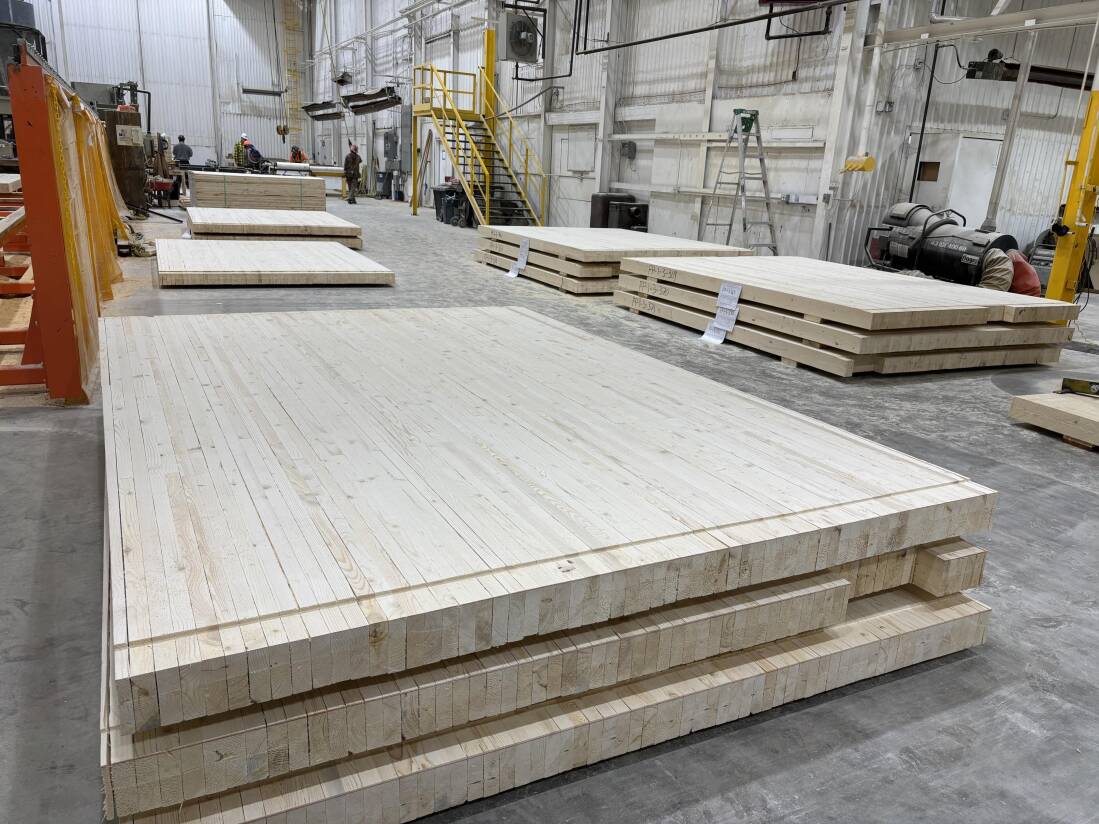
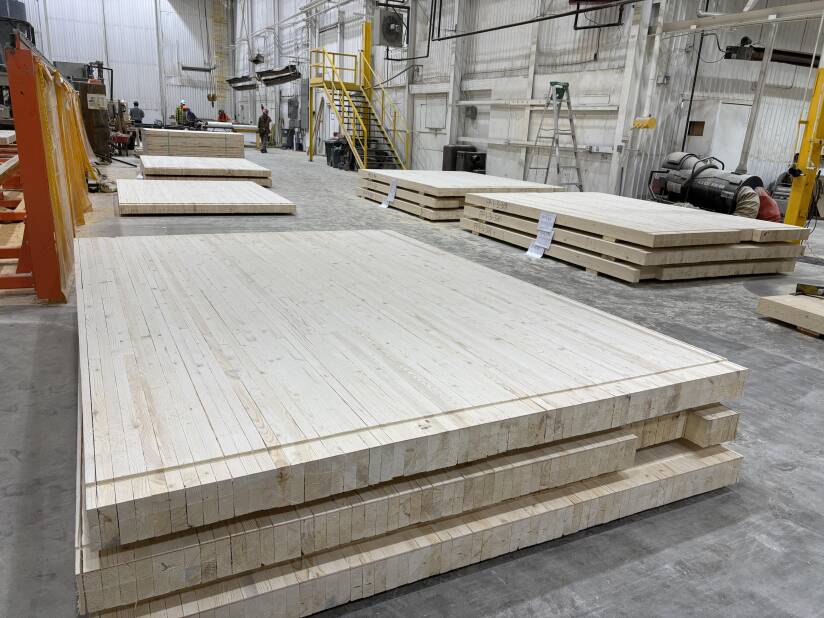
Refurbished NLT panel in the shop
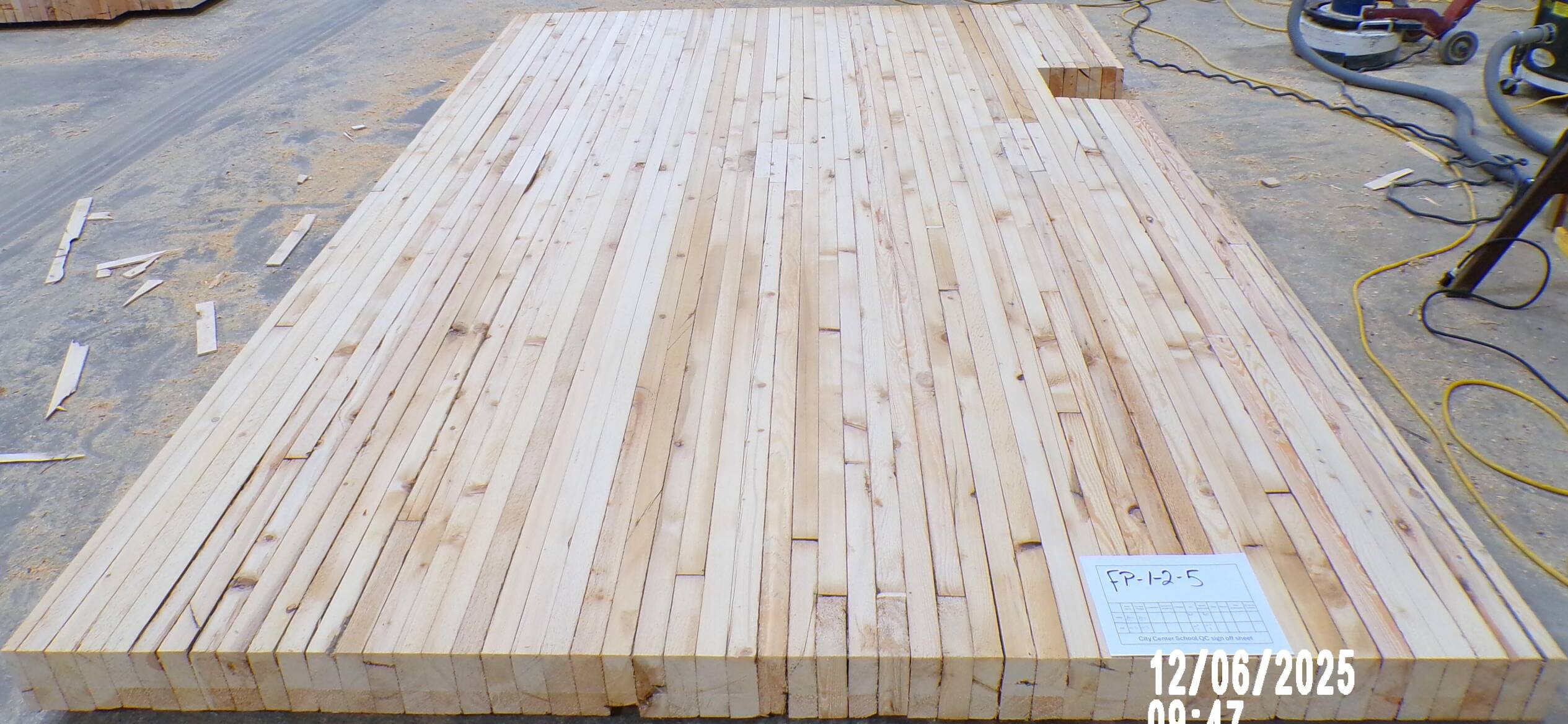
NLT savage in progress
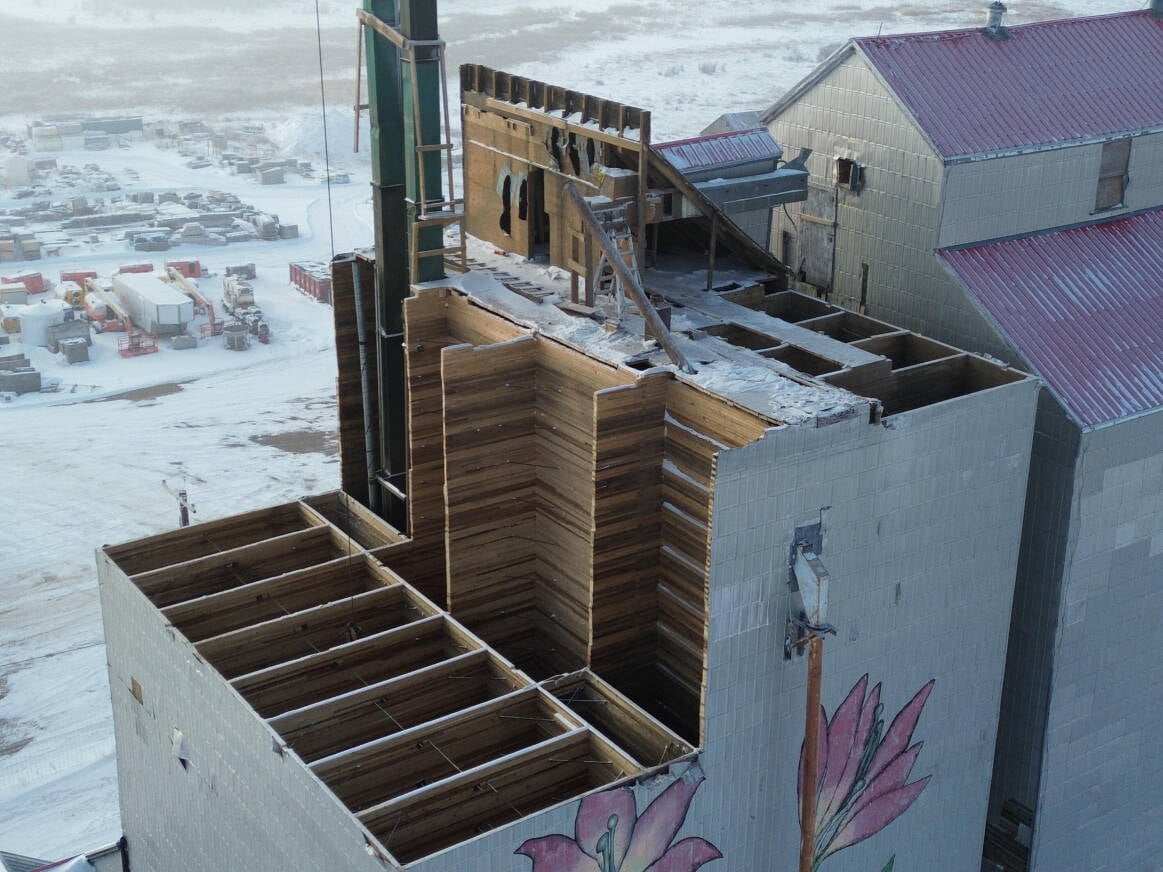
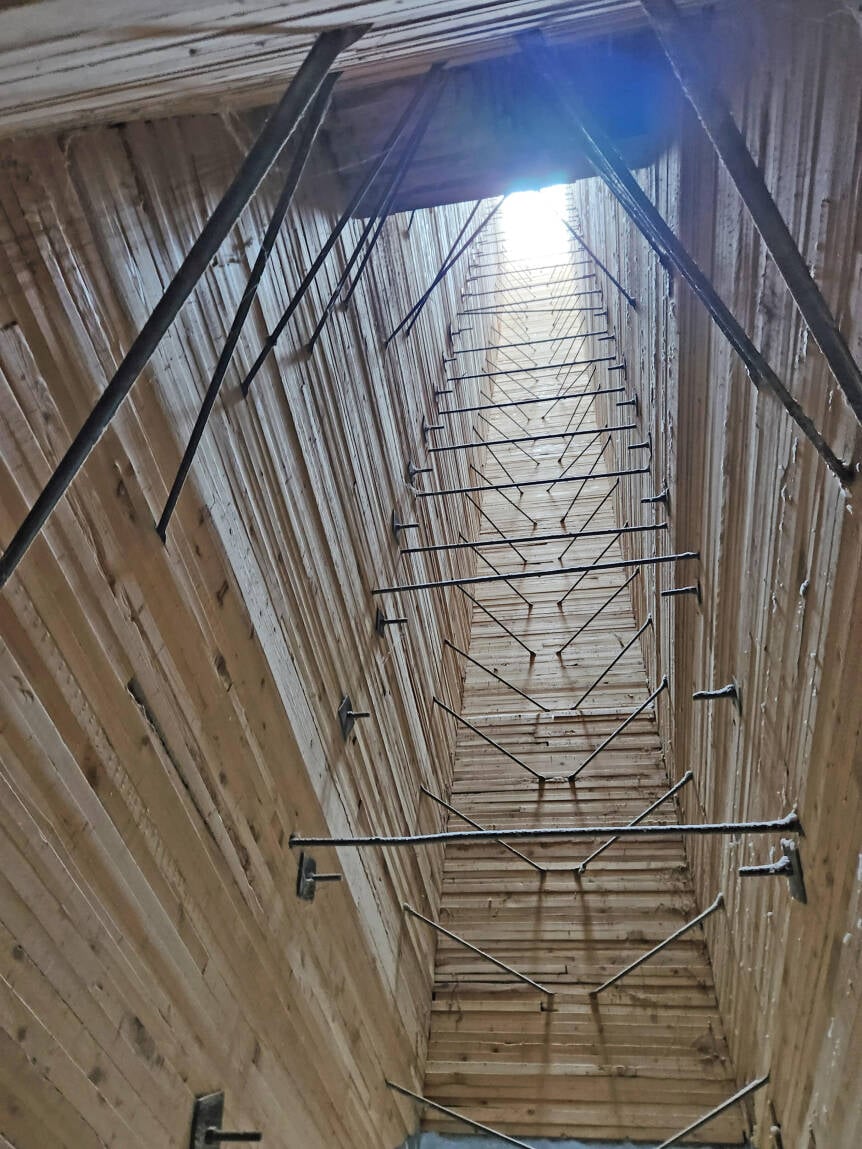
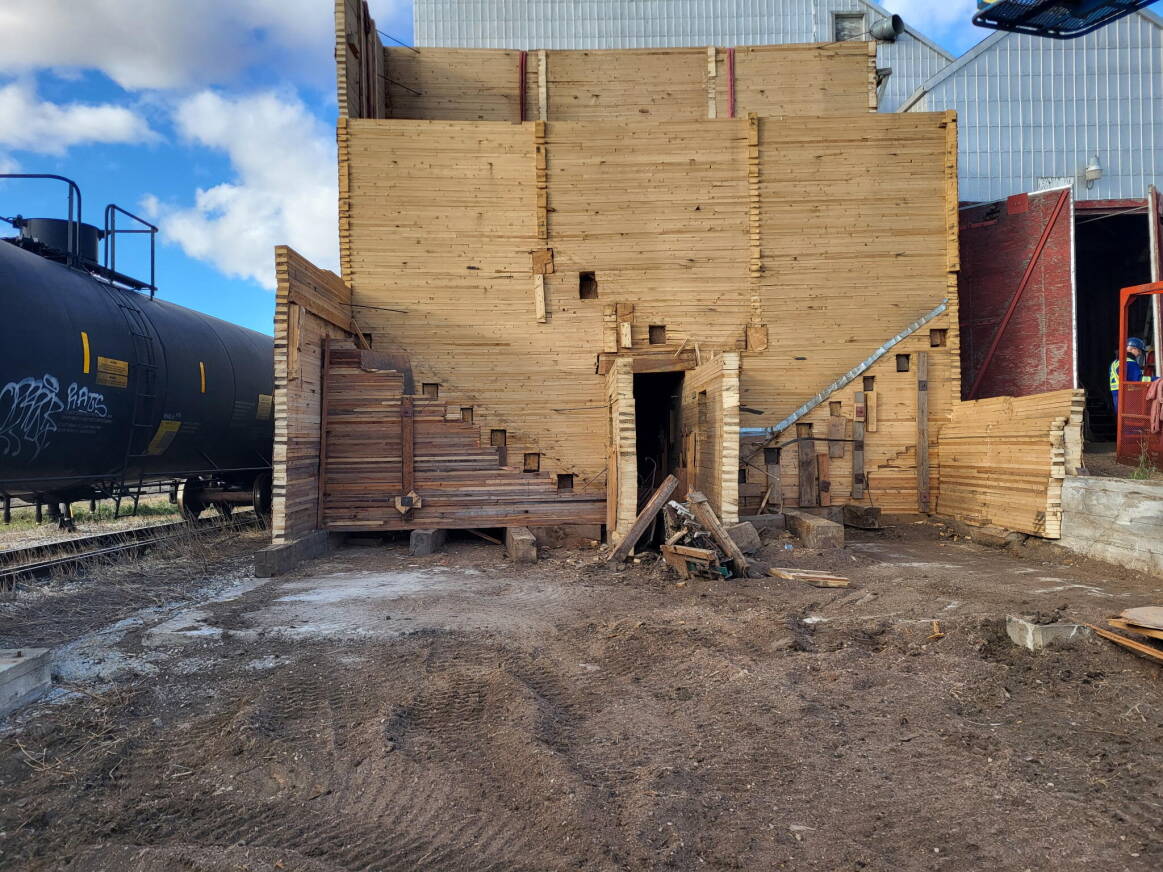
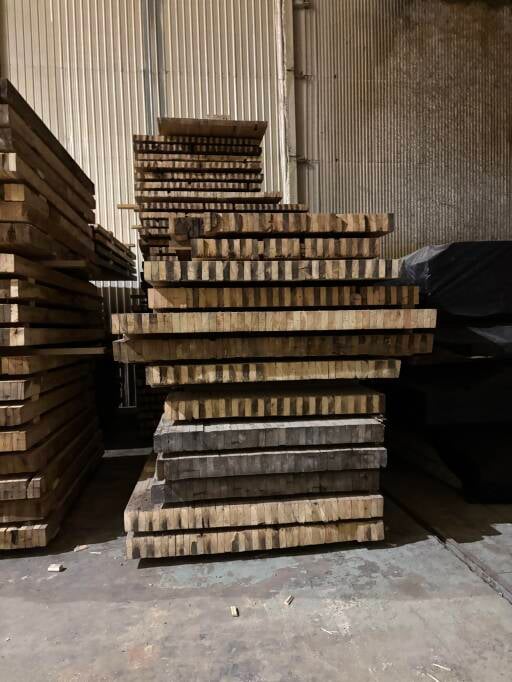
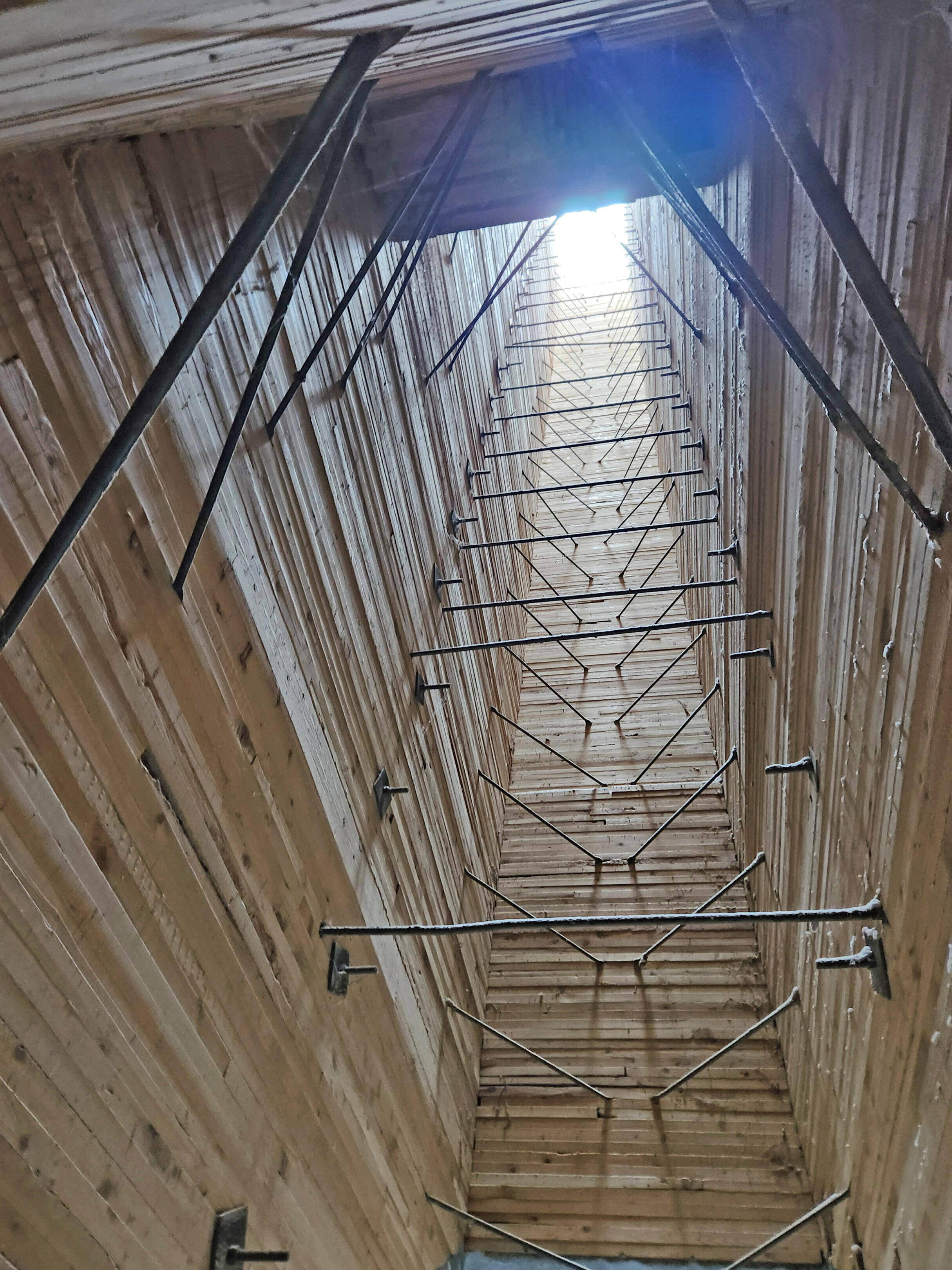
Grain crib
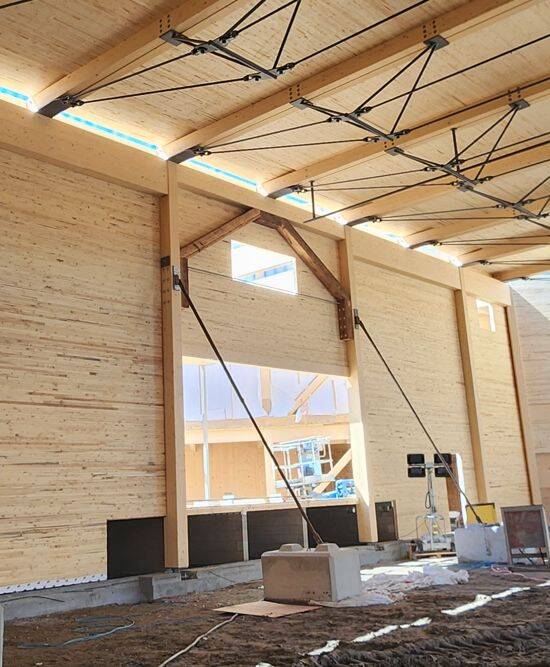
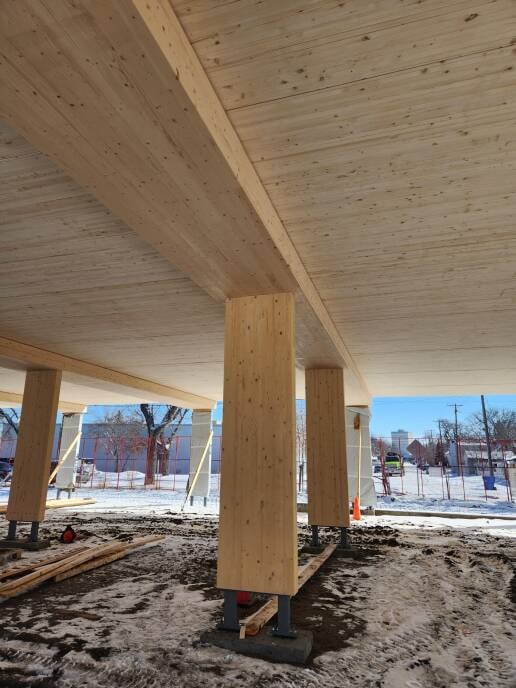
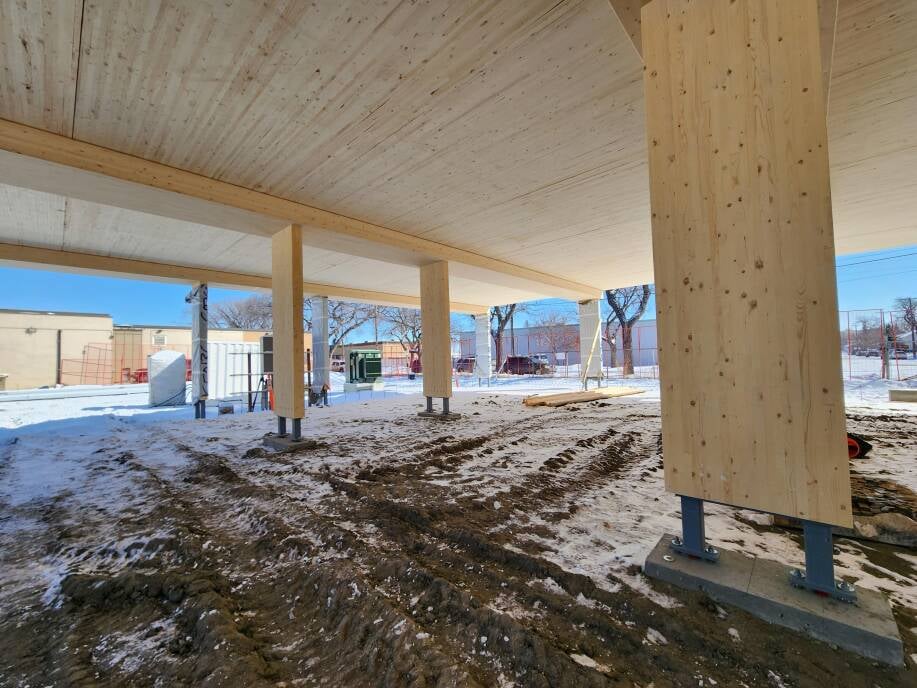
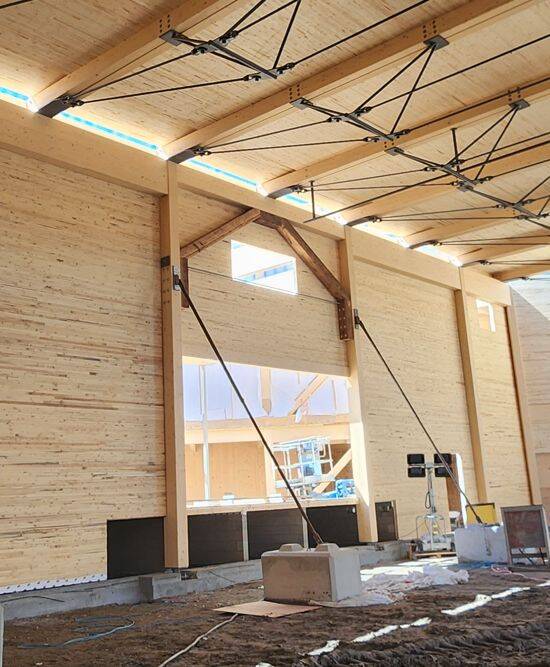
One of the project’s most distinctive architectural features appears in the childcare wing, where long glulam beams are oriented horizontally as band beams, rather than conventional vertical orientation. The approach reduced ceiling depth, simplified coordination with mechanical systems, and created broad exposed timber surfaces integrated directly into the classroom environment.
The project also incorporates reclaimed heavy timber elements salvaged from the lower hopper sections of grain elevators. Massive Douglas fir beams were reused to create a feature truss above the school stage, reinforcing the building’s connection to Saskatchewan’s agricultural heritage.
Balancing Innovation and Reliability
Although the project embraces material innovation, the design team took great care to avoid structural risk.
“We wanted to demonstrate proven timber systems,” said Wing. “The reclaimed material is used in secondary structural applications, while the primary structure of beams, columns, and load-bearing walls relies on conventionally manufactured mass timber products.”
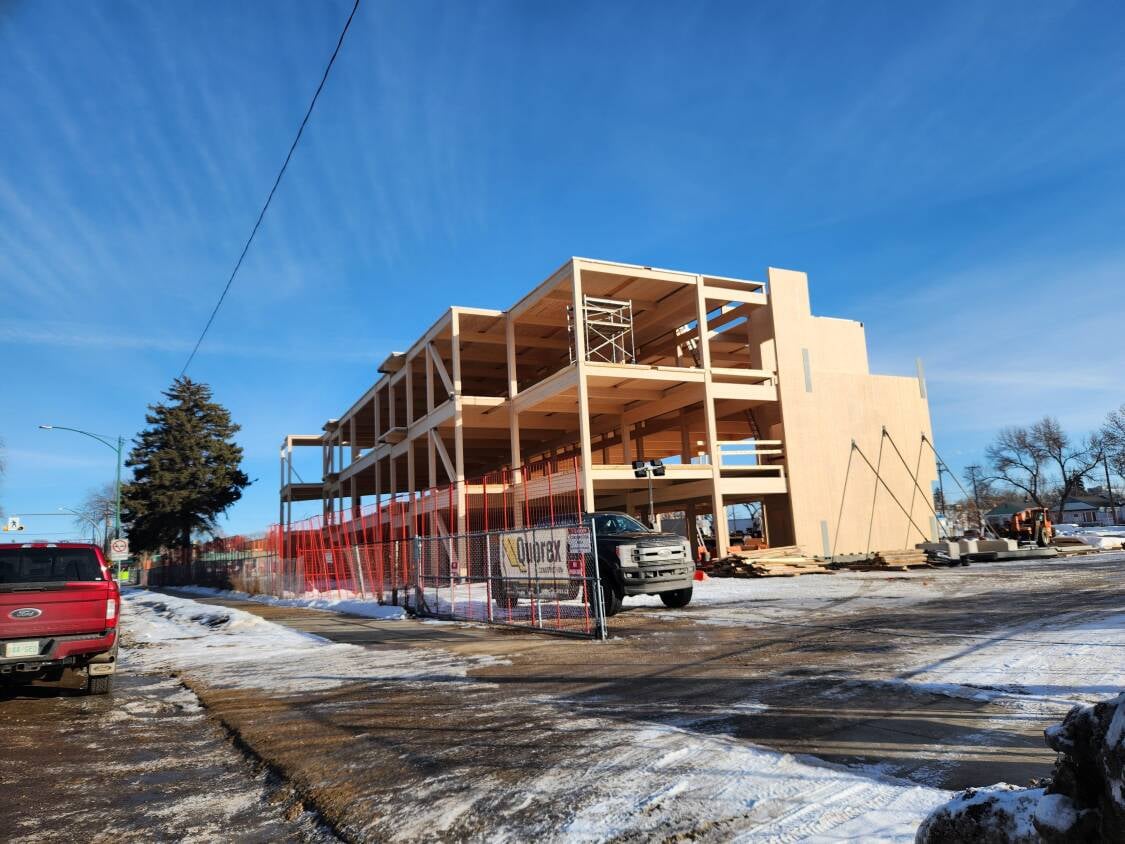
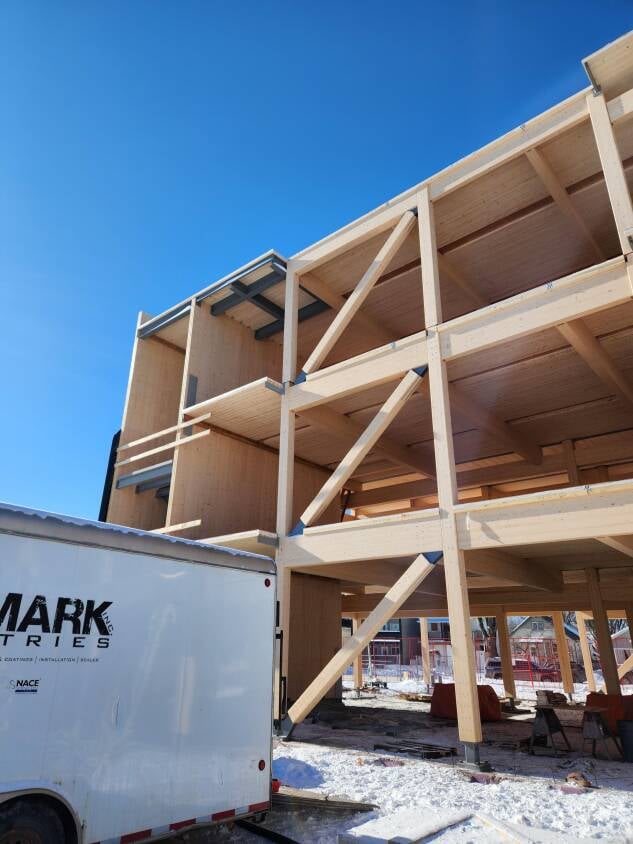
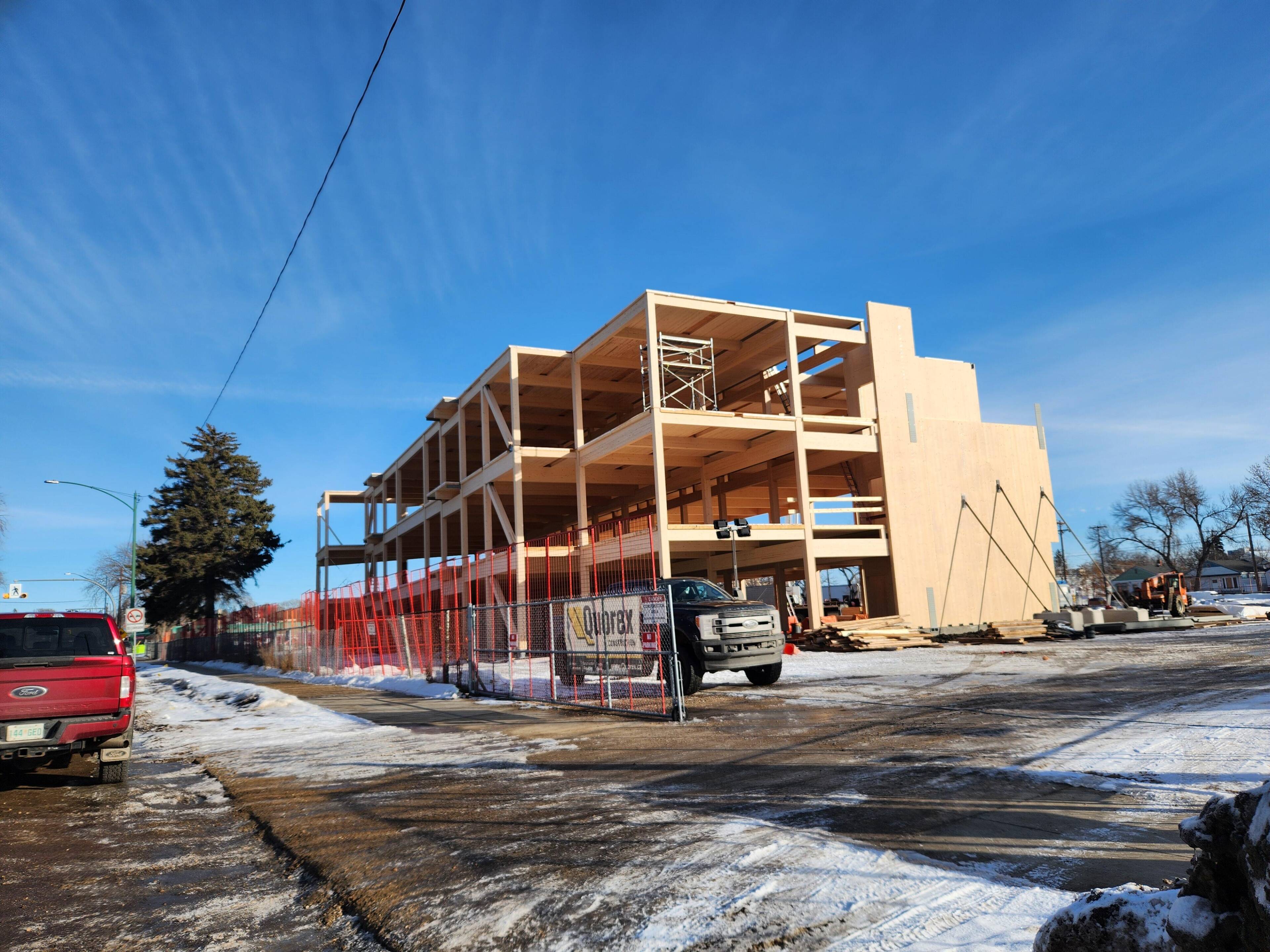
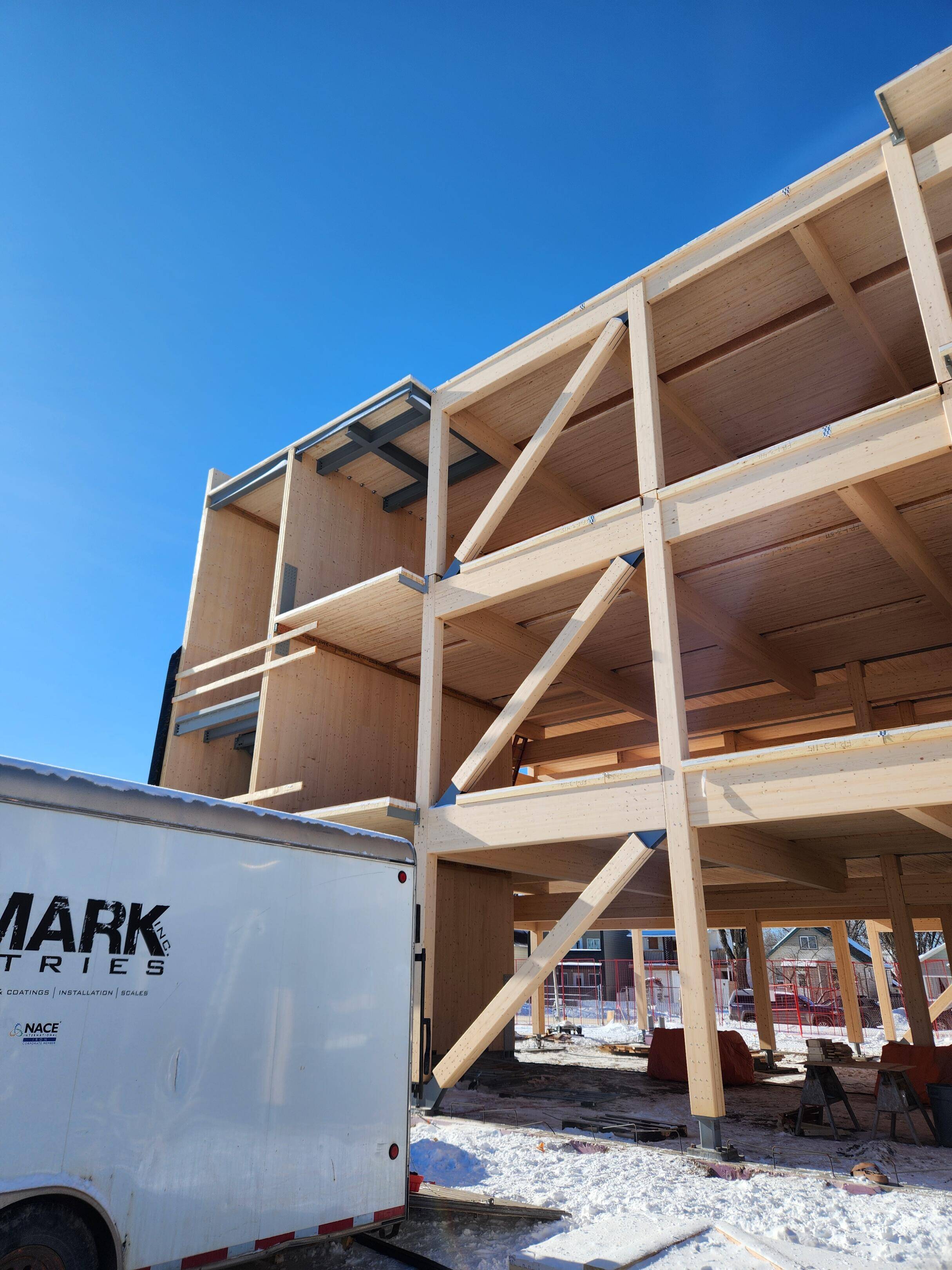
The school incorporates glulam and CLT supplied by Western Archrib. The mass timber structure includes CLT stair and elevator cores, glulam framing, and exposed timber brace frames — a system choice enabled by Saskatoon’s low seismic conditions.
Douglas fir feature
Lower hopper section
Long glulam beams of the childcare wing
Timber brace frames
Prefabricated envelope panels
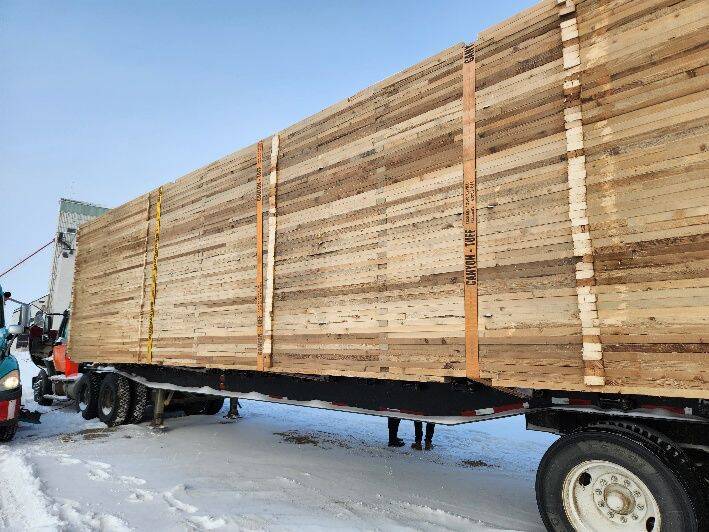
Refurbished NLT panels ready for installation
Reclaimed NLT sections
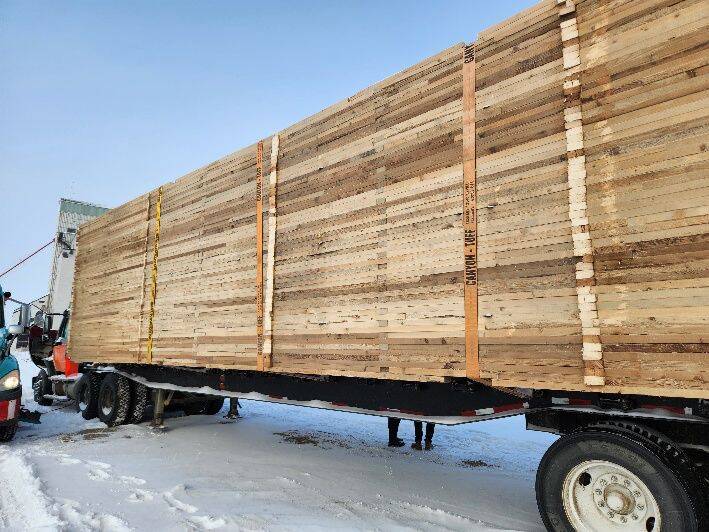
Transporting the sections to the fabrication shop
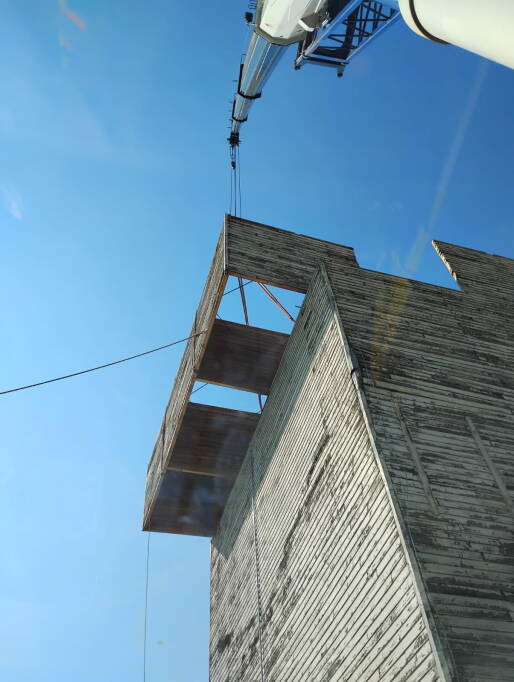
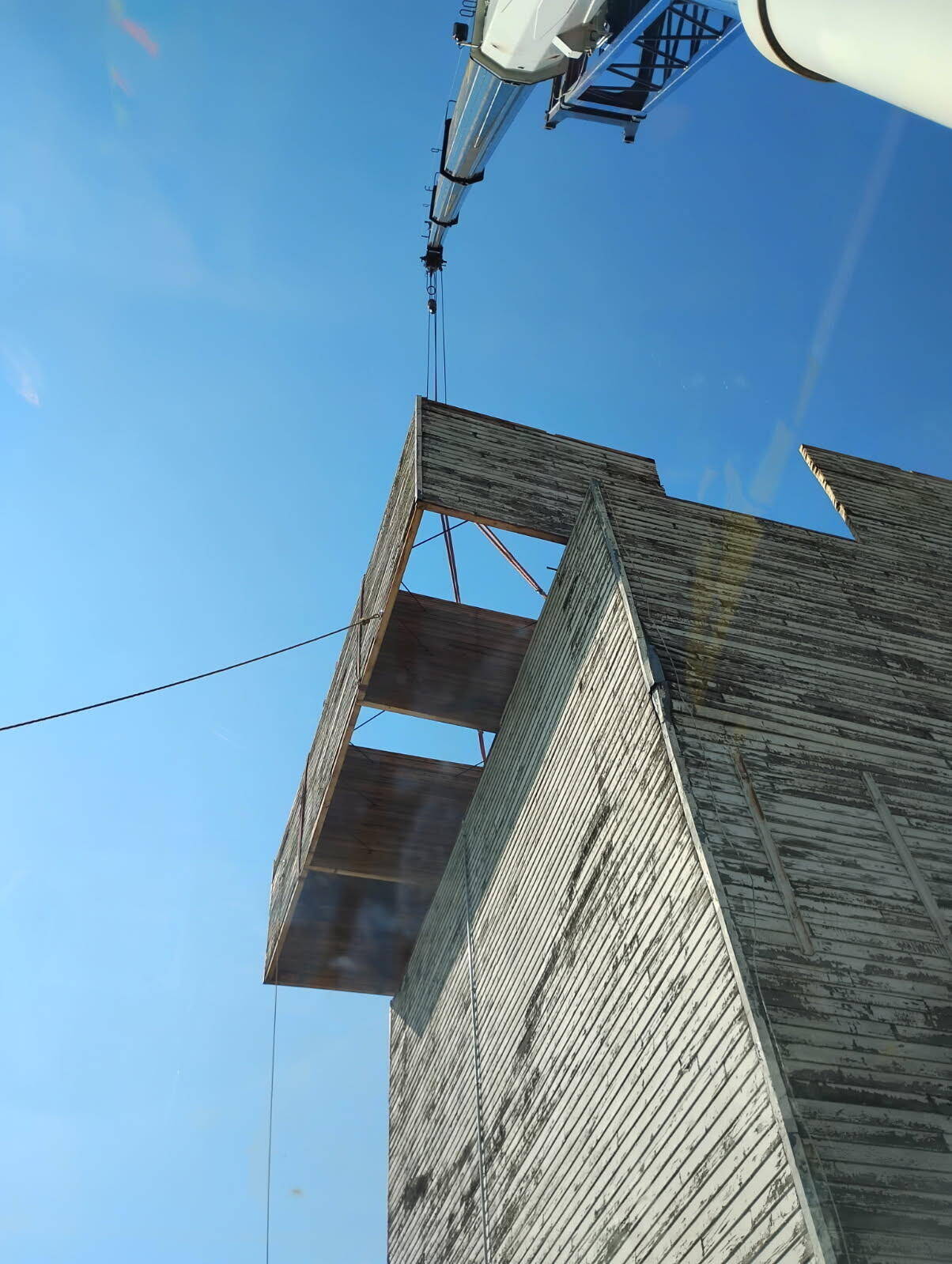
Dismantling the structure
NLT panels being reclaimed
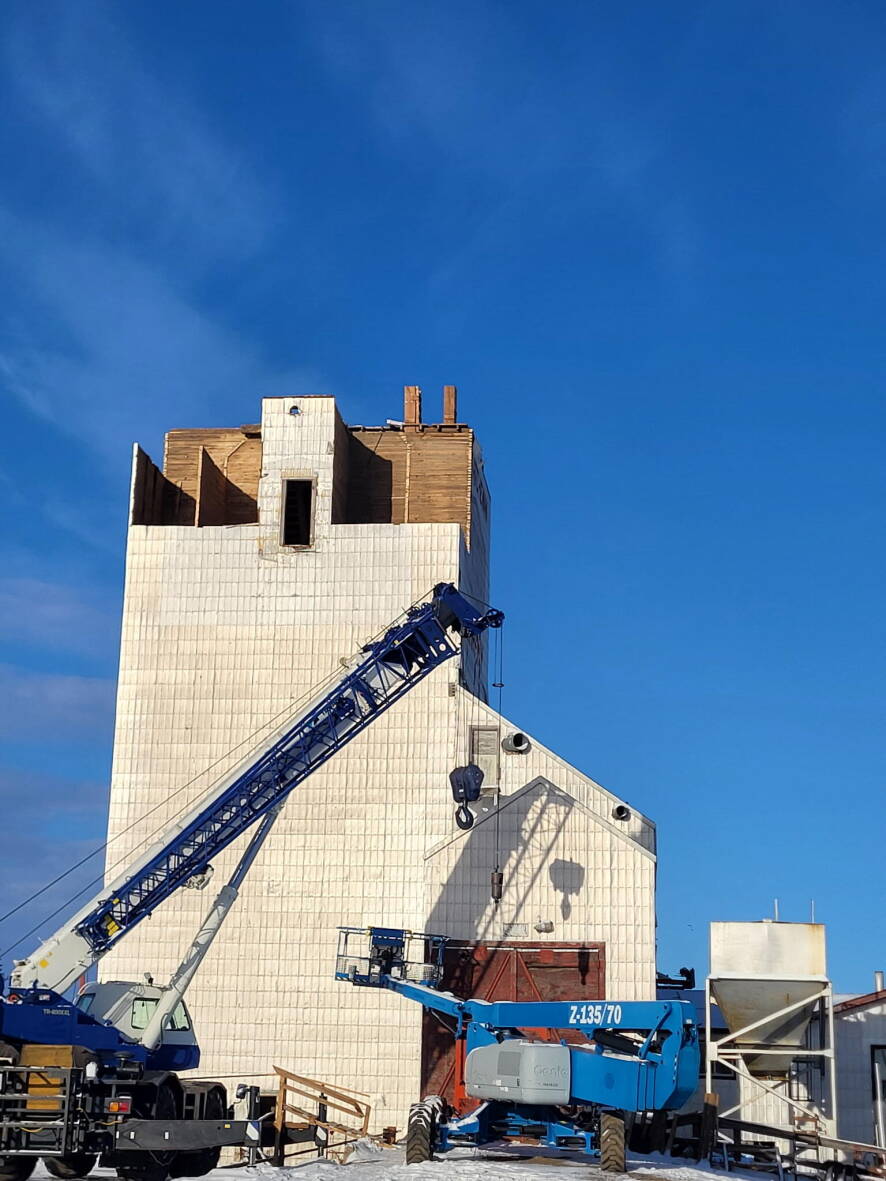
Decommissioned grain elevator prior to disassembly
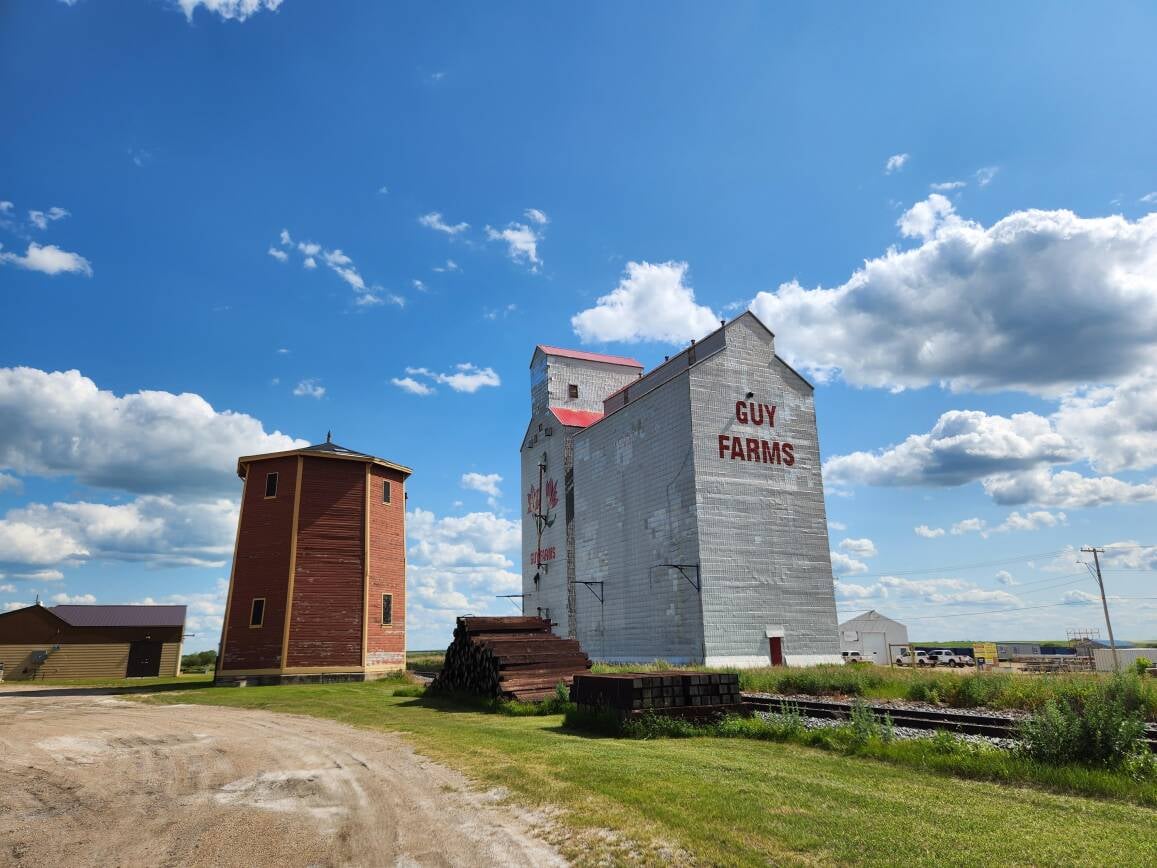
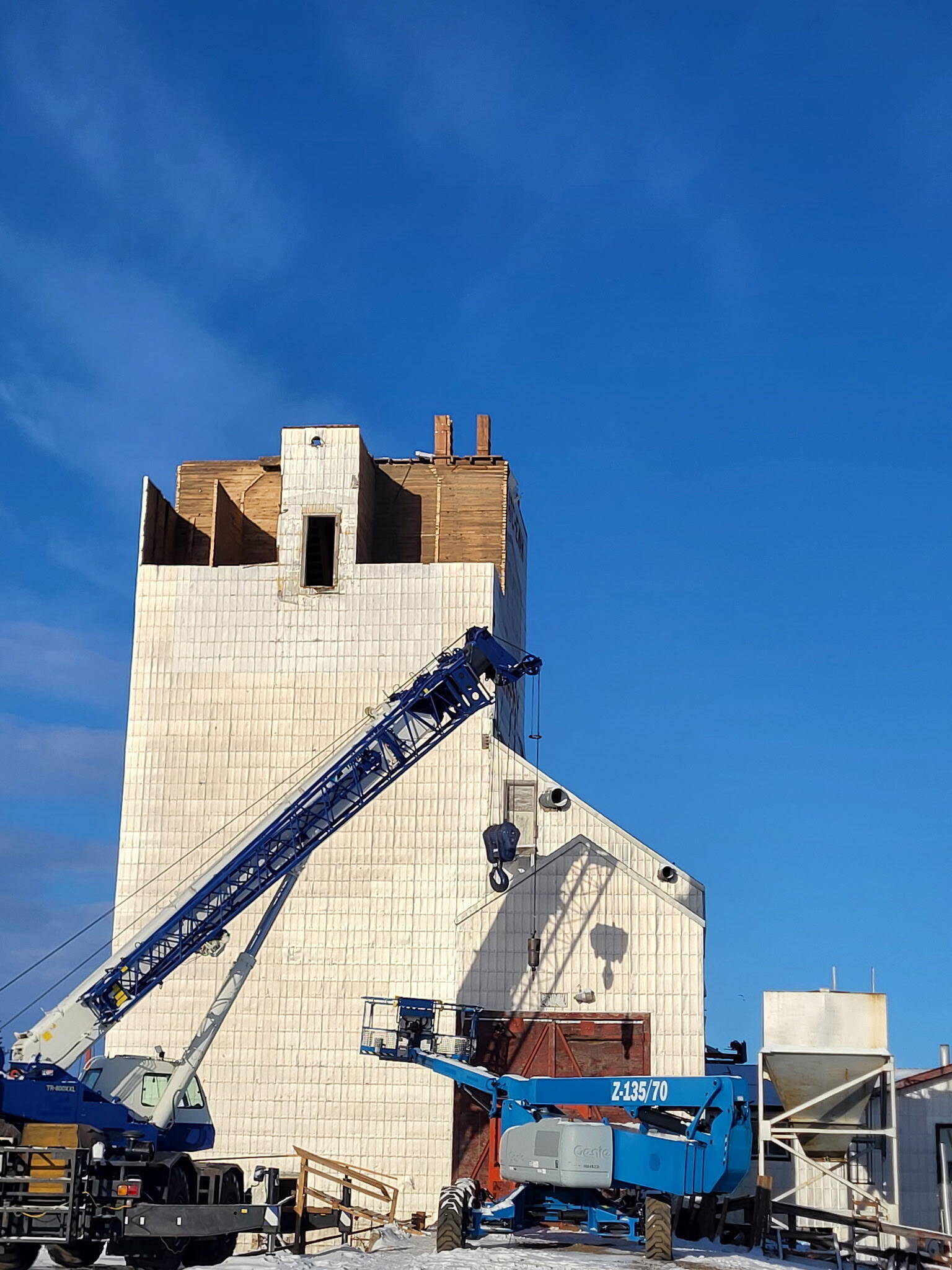
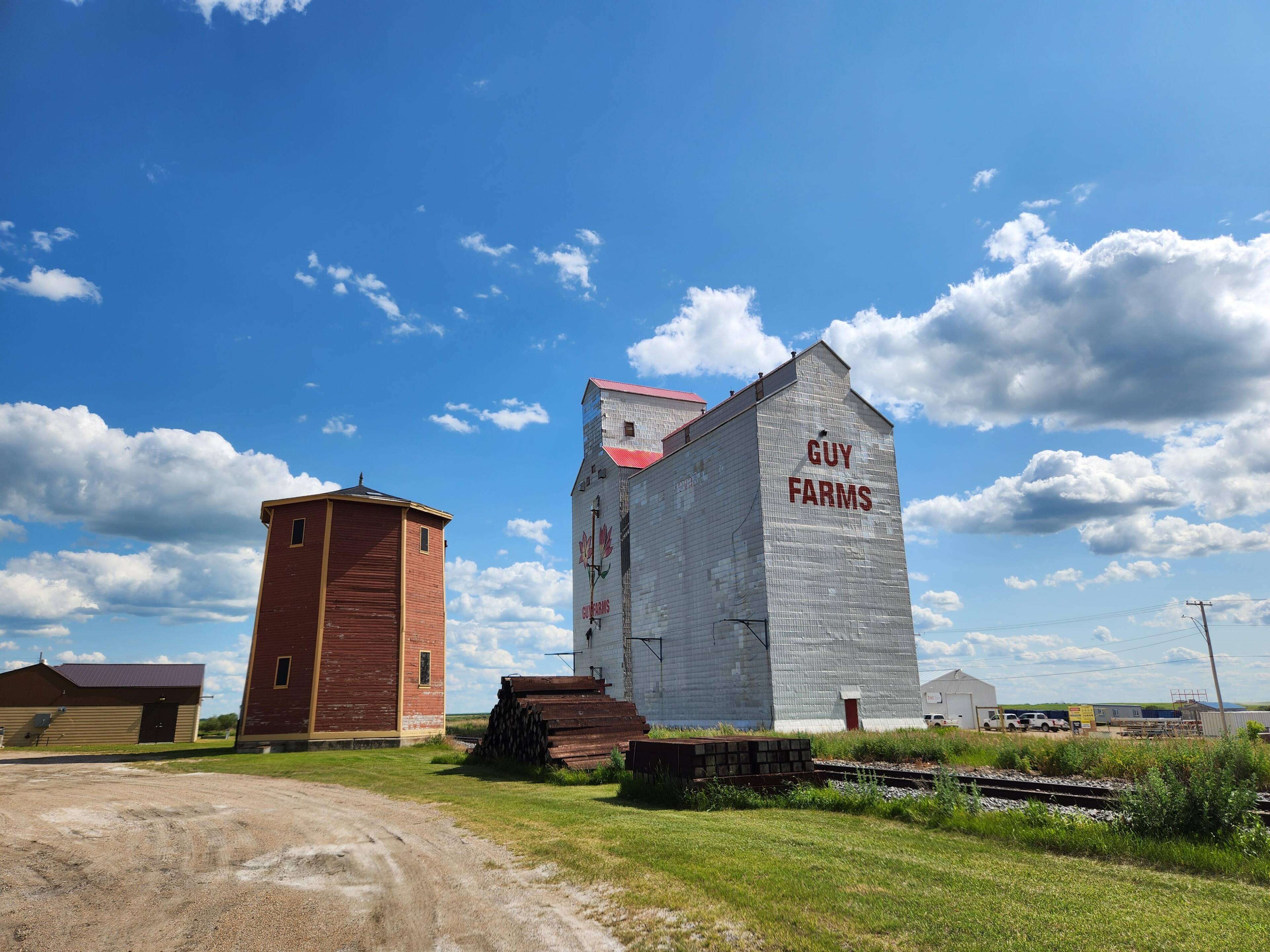
misiwe-kisik | One Sky School incorporates reclaimed material from four different grain elevators located within approximately 90 minutes of Saskatoon: Kenaston, Milden, Simpson, and Domremy. In total, the school uses approximately 315,000 board feet of NLT across more than 800 NLT panels. The majority of the NLT is reclaimed, although some new NLT was fabricated to meet higher strength requirements in the corridors and to accelerate deliveries.
The reclaimed panels are used extensively in floors, roofs, and wall assemblies throughout the building, while new glulam and cross-laminated timber (CLT) components form the primary structural system.
For Wing, the project represents an unusual convergence of old and new construction cultures. On one hand is the extraordinary precision of modern mass timber engineering, where connection tolerances, modelling coordination, and fabrication standards are exacting. On the other is the raw practicality of century-old grain elevators, many of which were built with minimal drawings and little formal engineering oversight.
Bringing those worlds together became part of the project’s identity.
“There probably wasn’t a single shop drawing for those grain elevators,” said Wing. “And now we have thousands of shop drawings for the school.”
Yet despite the century separating them, both systems clearly demonstrate the durability, adaptability, and structural potential of wood.
The project also benefited from a remarkable form of full-scale historical load testing. For more than a century, the grain elevator walls had already resisted significant lateral pressures from the grain loads.
“Every one of those panels had effectively been load tested for up to 100 years, well above their factored design load required in the school. This gave us a lot of confidence in the safety of the assembly,” Wing noted.
The design team combined historic loading data, modern analytical modelling, and empirical research from existing NLT design guides to establish safe and conservative design parameters for the reclaimed panels.
A Contemporary Timber School
Beyond its reclaimed material story, misiwe-kisik | One Sky School demonstrates how mass timber can compete within the budgetary realities of public-sector construction.
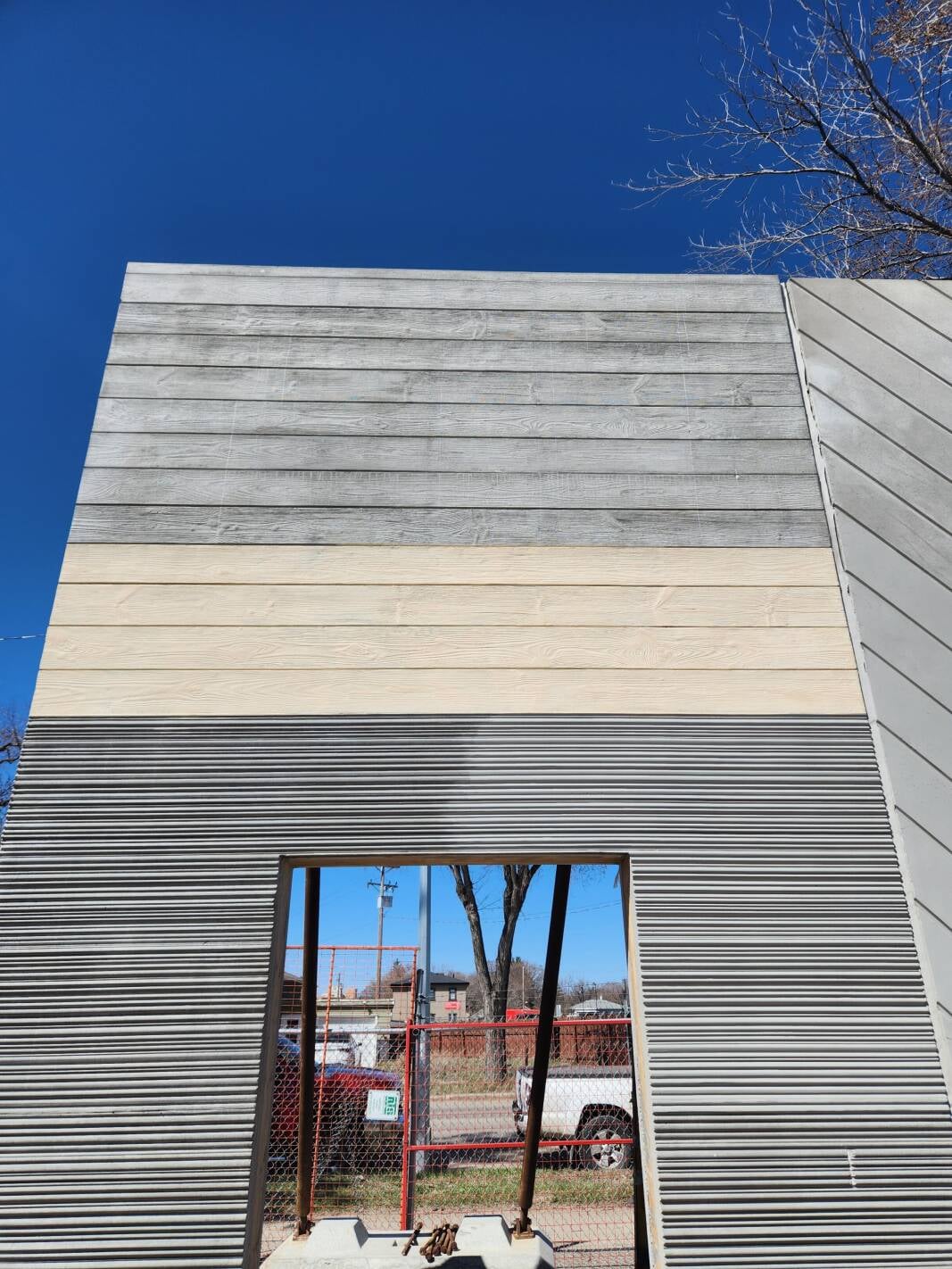
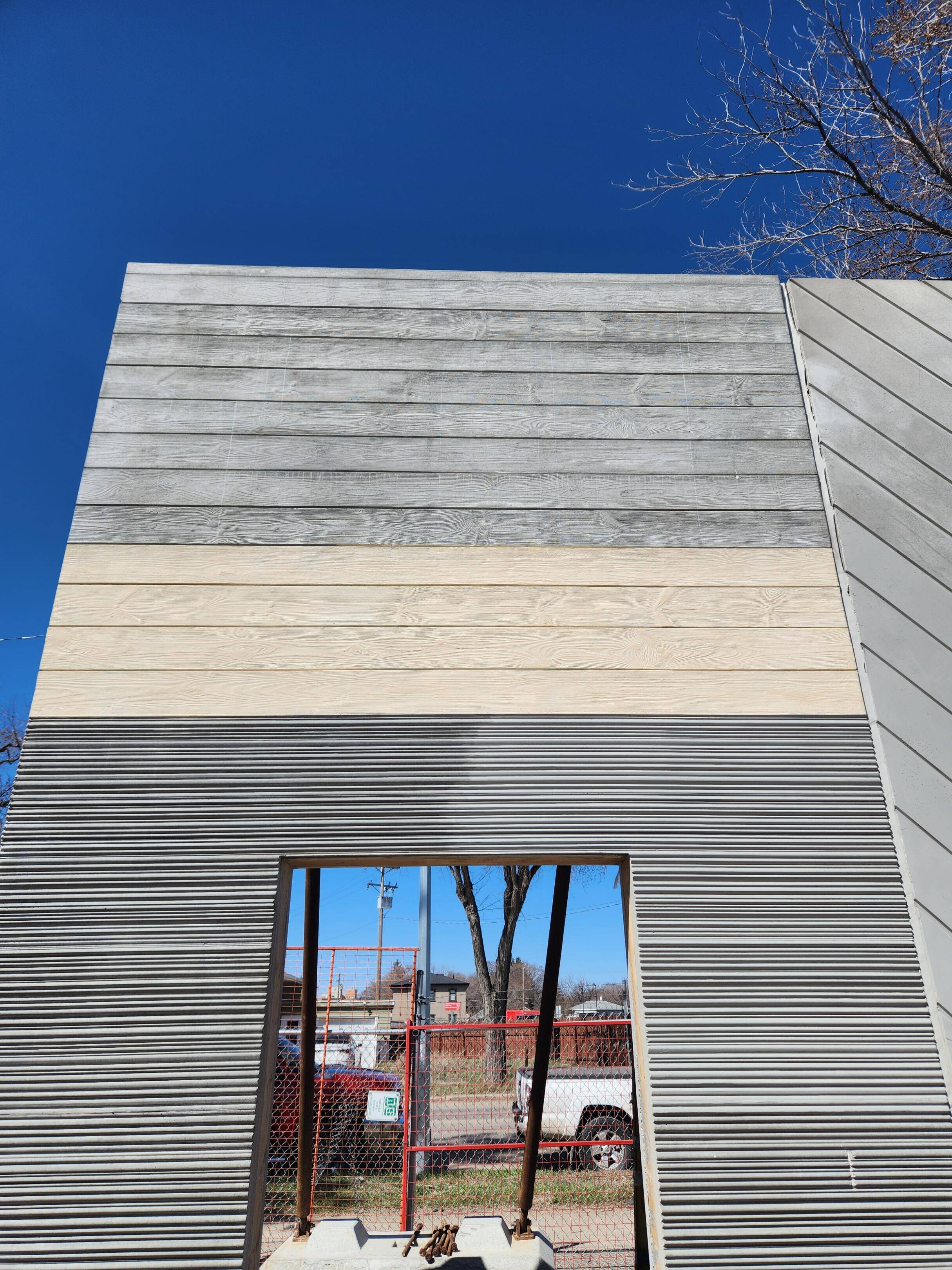
The school uses prefabricated precast concrete envelope panels with a wood-grain finish, allowing the building enclosure to proceed rapidly once the timber structure was complete. The team also reduced floor-to-floor heights by integrating mechanical services within dropped timber beam zones, lowering both envelope and conditioned space costs.
Construction sequencing also worked in the project’s favour. Erection began in Saskatchewan’s cold, dry winter conditions, avoiding many of the moisture management challenges associated with timber construction in wetter climates.
Perhaps most importantly, the project proved financially viable.
“The project demonstrated a minimal 2% premium for this build compared to conventional steel and concrete schools. As the first of its kind, it is anticipated that this cost gap can be further reduced or eliminated in future projects based on lessons learned, Wing said. “It showed us this could be done cost-effectively.”
Engineering the Unknown
The reclaimed timber presented a unique technical challenge: the material was ungraded and therefore missing the corresponding documentation.
To use the reclaimed wood within the building code framework, the project team developed an alternative solution supported by extensive testing and analysis.
Researchers at the University of Saskatchewan identified wood species samples from each source elevator and conducted mechanical testing using methodologies similar to those historically used to establish lumber grading values. The results surprised even the design team.
“There really weren’t any red flags,” said Wing. “The material tested extremely well — essentially select structural or No. 1 grade. There was always a concern about whether wood that was loaded repeatedly would have reduced strength properties, but that wasn’t found to be the case.”
Reclaiming Prairie Timber
At the heart of the project is the reclaimed NLT sourced from decommissioned grain elevators near Saskatoon. Wing had already been collaborating with ABMT Wood Solutions, operating under the name Heritage Mass Timber, on ways to repurpose timber from aging prairie elevators before the school project began.
These grain elevators, many built in the early 1900s, are massive timber structures composed of solid wood grain cribs that were formed by stacking dimensional lumber and fastening it together with nails. Though rarely discussed in modern construction circles, they were an early form of mass timber construction.
“At the peak in the 1960s, Saskatchewan had nearly 6,000 timber grain elevators,” said Wing. “But if somebody built one today, it would make industry news as a tall timber structure.”
Most of those elevators have since been demolished as farms transitioned to larger concrete elevators. Fewer than 300 timber elevators remain in the province.
Rather than allowing these structures to disappear, Heritage Mass Timber developed a process to dismantle them section by section and refurbish them for reuse. Large cubes of timber wall are cut out using chainsaws and cranes, transported back to a fabrication facility, and transformed into structural NLT panels.
For structural engineer David Wing, the project began with a practical challenge. Saskatoon Public Schools needed to replace several aging schools, including two early 20th-century masonry buildings that were no longer accessible or financially viable to rehabilitate. The project team recognized an opportunity to create something meaningful for the surrounding community, where approximately 70 per cent of students are Indigenous.
“We wanted to make a special school,” Wing explained during an interview about the project. “Not just another standard school building, but a place that would feel welcoming, warm, and connected to the community.” The school’s new Cree name, misiwe-kisik, meaning “under one sky,” reflects that ambition.
The project’s success was closely tied to support received through the federal GCWood program, which helped make the school’s mass timber and reclaimed wood ambitions financially and technically feasible. The funding supported critical research, testing, and code work related to the reclaimed nail-laminated timber panels, which enabled the project team to move beyond a conventional steel design toward a more innovative wood-based solution. According to Wing, without the grant, the project likely would not have proceeded as a mass timber school.
In Saskatoon’s city centre, a new school is rising from the material legacy of the Prairies. Scheduled to open in 2027, misiwe-kisik | One Sky school (pronounced mis-ih-wee kee-sik) is more than a replacement for three aging, legacy elementary schools. It is a project rooted in reconciliation, adaptive reuse, and a distinctly regional approach to timber construction.
Structurally designed by ISL Engineering and Land Services in collaboration with Kindrachuk Agrey Architecture, the prime consultant, the three-storey PK–8 school combines contemporary mass timber systems with reclaimed nail-laminated timber (NLT) panels salvaged from century-old Saskatchewan grain elevators. The result is a highly technical, modern timber building that carries deep cultural and material resonance.
FEATURE
Under One Sky: Reclaimed Grain Elevators Shape a New Timber School in Saskatoon
Welcome Circle Rendering by Kindrachuk Agrey Architecture
For Wing, the project represents an unusual convergence of old and new construction cultures. On one hand is the extraordinary precision of modern mass timber engineering, where connection tolerances, modelling coordination, and fabrication standards are exacting. On the other is the raw practicality of century-old grain elevators, many of which were built with minimal drawings and little formal engineering oversight.
Bringing those worlds together became part of the project’s identity.
“There probably wasn’t a single shop drawing for those grain elevators,” said Wing. “And now we have thousands of shop drawings for the school.”
Yet despite the century separating them, both systems clearly demonstrate the durability, adaptability, and structural potential of wood.
Prefabricated envelope panels
A Contemporary Timber School
Beyond its reclaimed material story, misiwe-kisik | One Sky School demonstrates how mass timber can compete within the budgetary realities of public-sector construction.
The school uses prefabricated precast concrete envelope panels with a wood-grain finish, allowing the building enclosure to proceed rapidly once the timber structure was complete. The team also reduced floor-to-floor heights by integrating mechanical services within dropped timber beam zones, lowering both envelope and conditioned space costs.
Construction sequencing also worked in the project’s favour. Erection began in Saskatchewan’s cold, dry winter conditions, avoiding many of the moisture management challenges associated with timber construction in wetter climates.
Perhaps most importantly, the project proved financially viable.
“The project demonstrated a minimal 2% premium for this build compared to conventional steel and concrete schools. As the first of its kind, it is anticipated that this cost gap can be further reduced or eliminated in future projects based on lessons learned, Wing said. “It showed us this could be done cost-effectively.”
Refurbished NLT panel in the shop
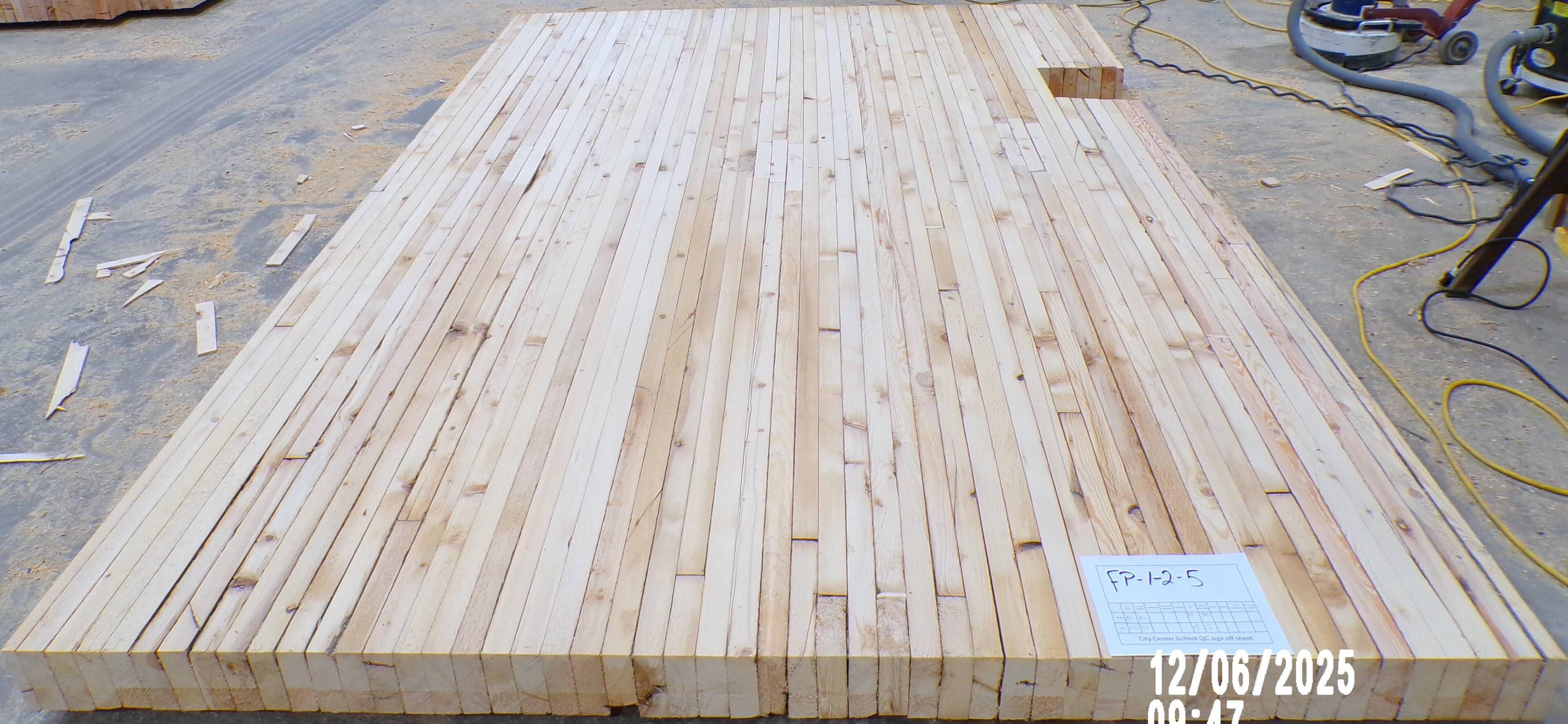
NLT savage in progress
The project also benefited from a remarkable form of full-scale historical load testing. For more than a century, the grain elevator walls had already resisted significant lateral pressures from the grain loads.
“Every one of those panels had effectively been load tested for up to 100 years, well above their factored design load required in the school. This gave us a lot of confidence in the safety of the assembly,” Wing noted.
The design team combined historic loading data, modern analytical modelling, and empirical research from existing NLT design guides to establish safe and conservative design parameters for the reclaimed panels.
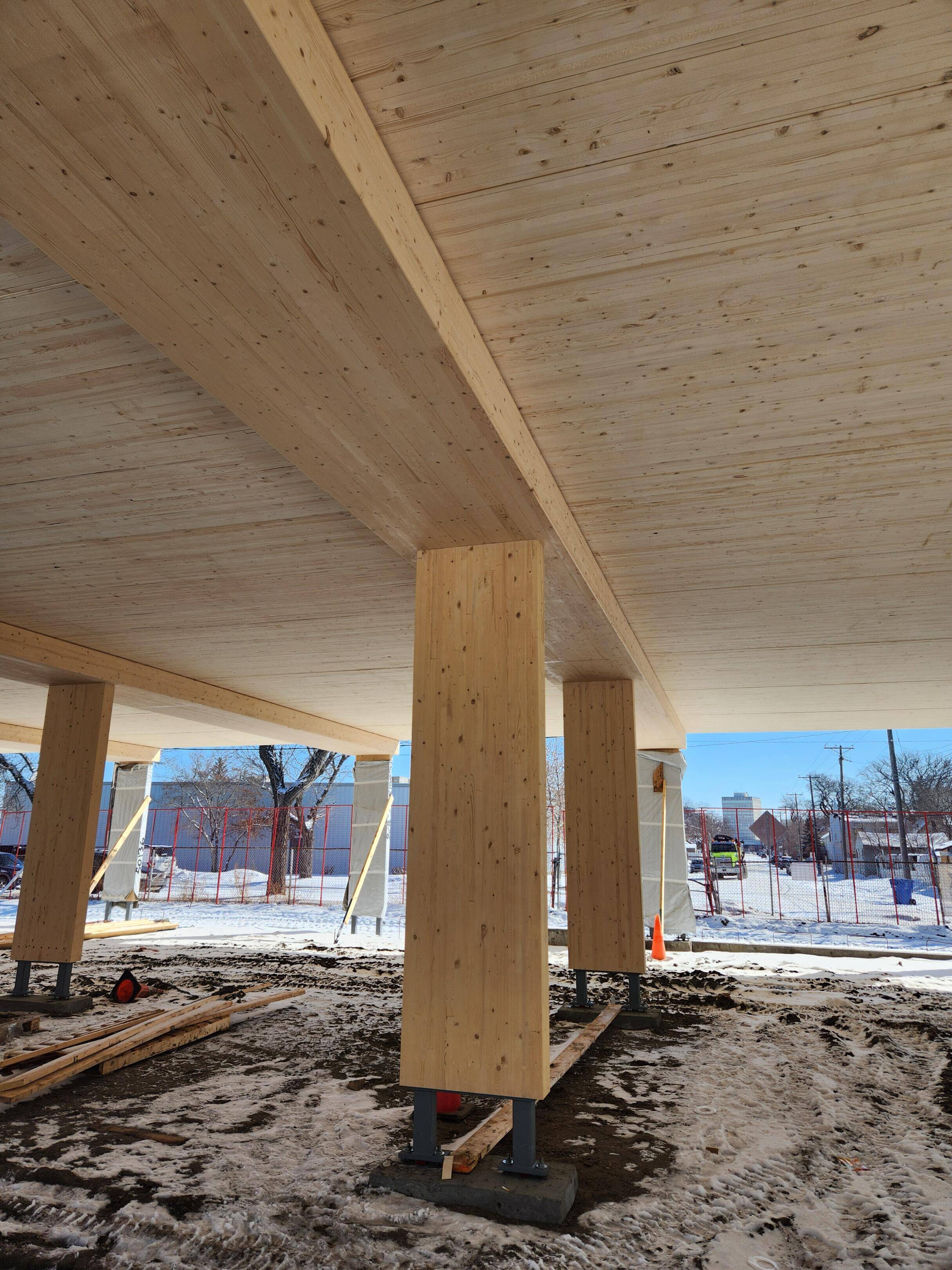
Refurbished NLT panels ready for installation
Reclaimed NLT sections
NLT panels being reclaimed
Decommissioned grain elevator prior to disassembly
One of the project’s most distinctive architectural features appears in the childcare wing, where long glulam beams are oriented horizontally as band beams, rather than conventional vertical orientation. The approach reduced ceiling depth, simplified coordination with mechanical systems, and created broad exposed timber surfaces integrated directly into the classroom environment.
The project also incorporates reclaimed heavy timber elements salvaged from the lower hopper sections of grain elevators. Massive Douglas fir beams were reused to create a feature truss above the school stage, reinforcing the building’s connection to Saskatchewan’s agricultural heritage.
Balancing Innovation and Reliability
Although the project embraces material innovation, the design team took great care to avoid structural risk.
“We wanted to demonstrate proven timber systems,” said Wing. “The reclaimed material is used in secondary structural applications, while the primary structure of beams, columns, and load-bearing walls relies on conventionally manufactured mass timber products.”
The school incorporates glulam and CLT supplied by Western Archrib. The mass timber structure includes CLT stair and elevator cores, glulam framing, and exposed timber brace frames — a system choice enabled by Saskatoon’s low seismic conditions.
misiwe-kisik | One Sky School incorporates reclaimed material from four different grain elevators located within approximately 90 minutes of Saskatoon: Kenaston, Milden, Simpson, and Domremy. In total, the school uses approximately 315,000 board feet of NLT across more than 800 NLT panels. The majority of the NLT is reclaimed, although some new NLT was fabricated to meet higher strength requirements in the corridors and to accelerate deliveries.
The reclaimed panels are used extensively in floors, roofs, and wall assemblies throughout the building, while new glulam and cross-laminated timber (CLT) components form the primary structural system.
Timber brace frames
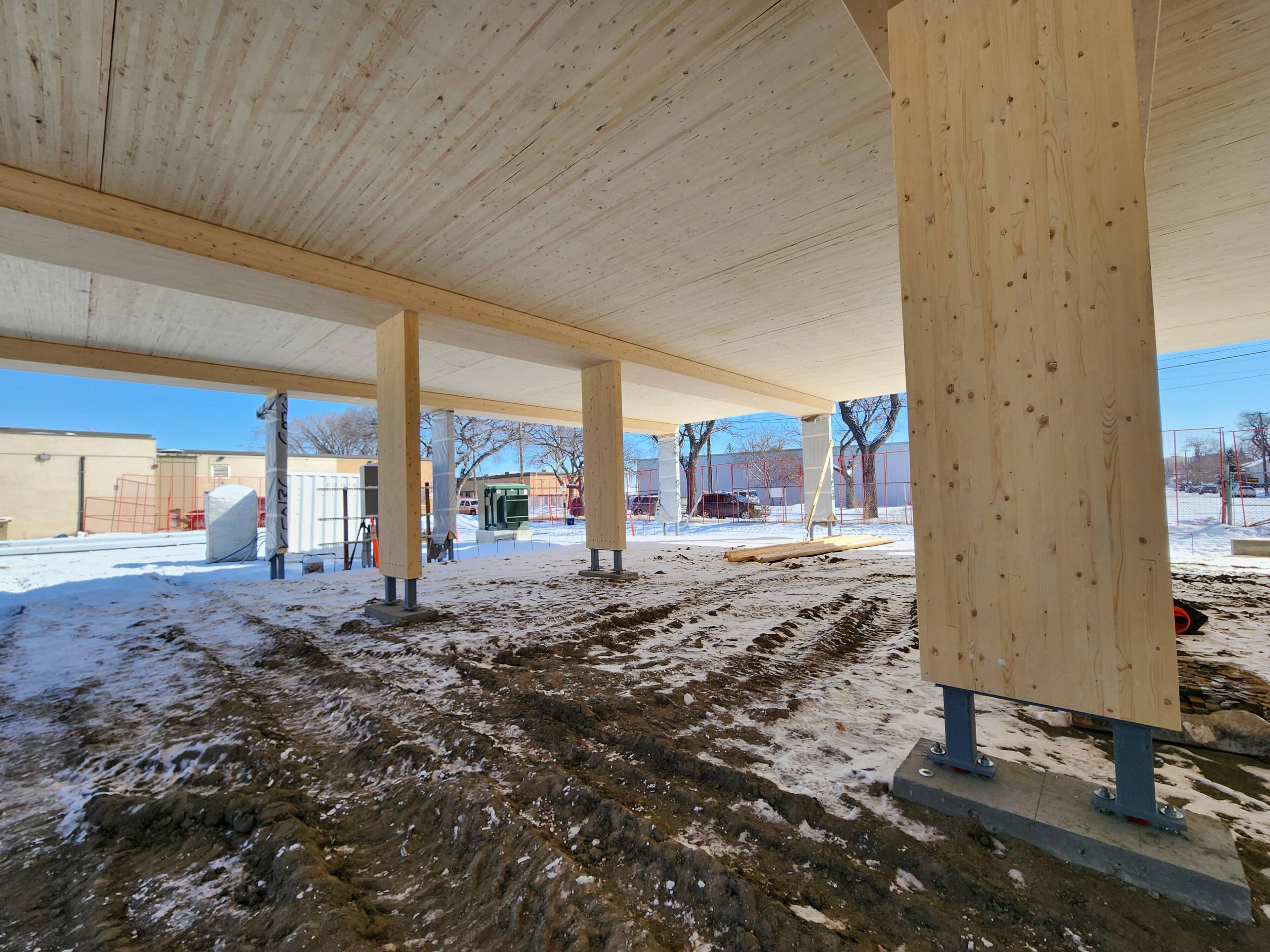
Long glulam beams of the childcare wing
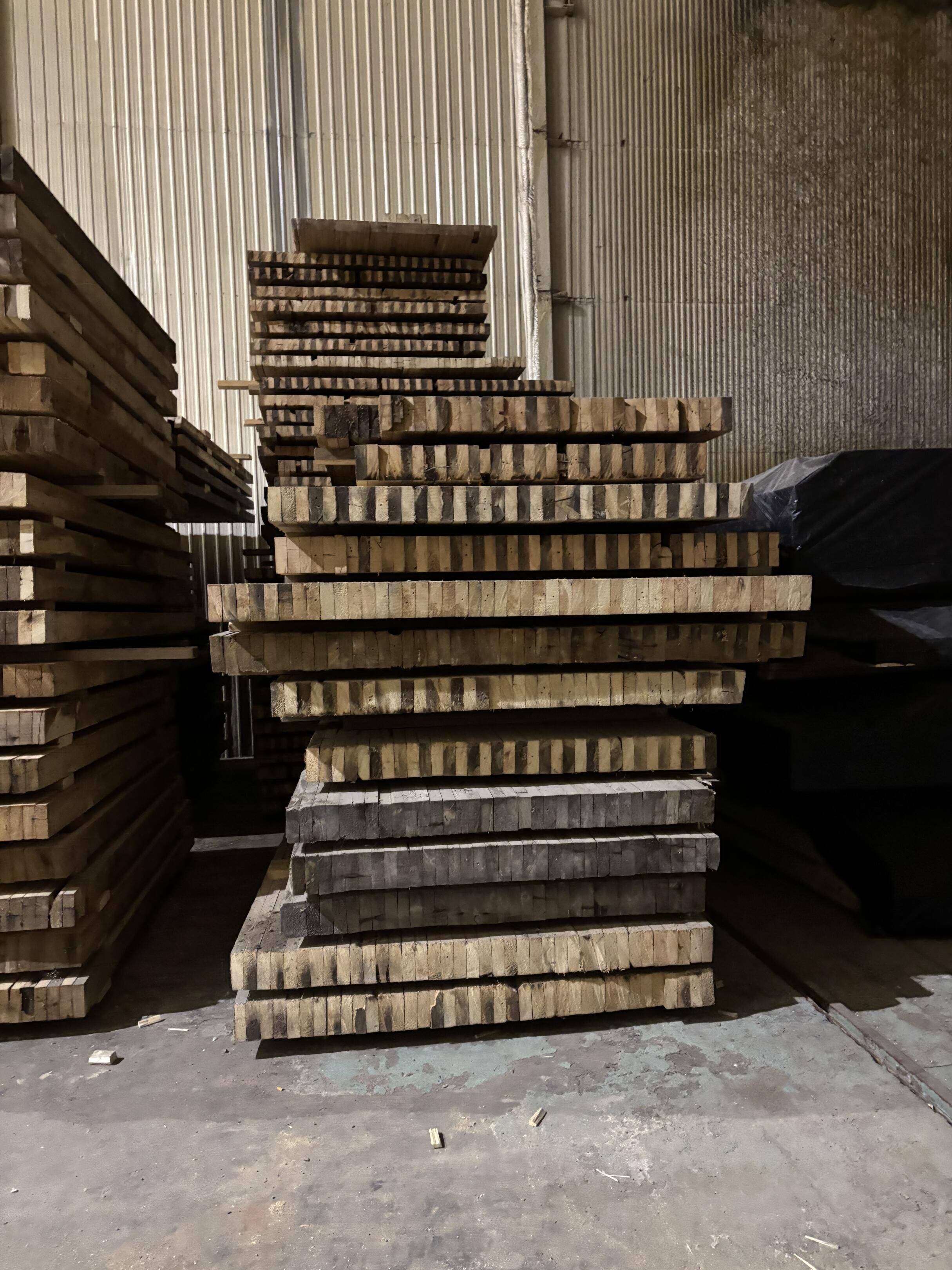
Lower hopper section
Douglas fir feature
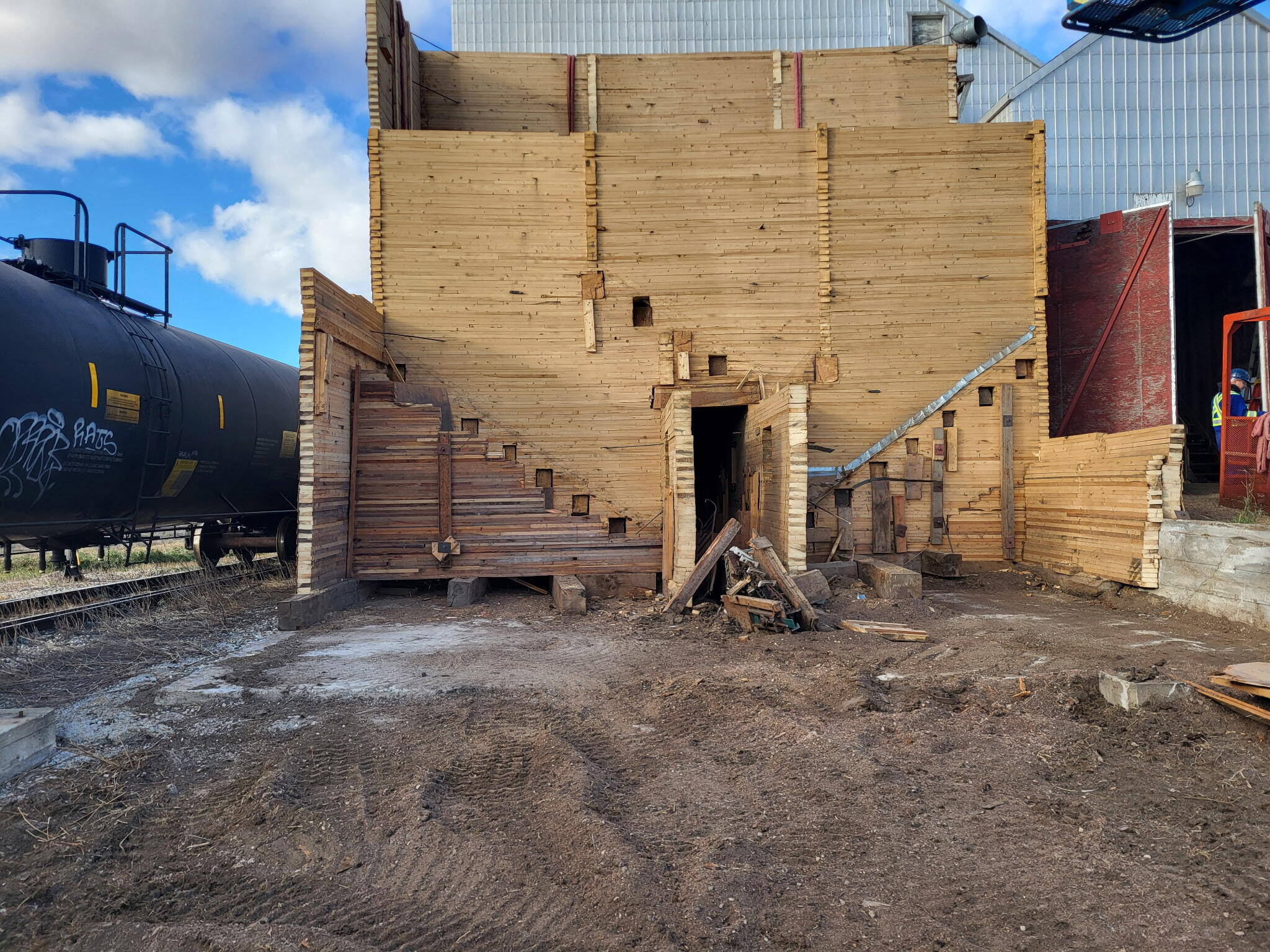
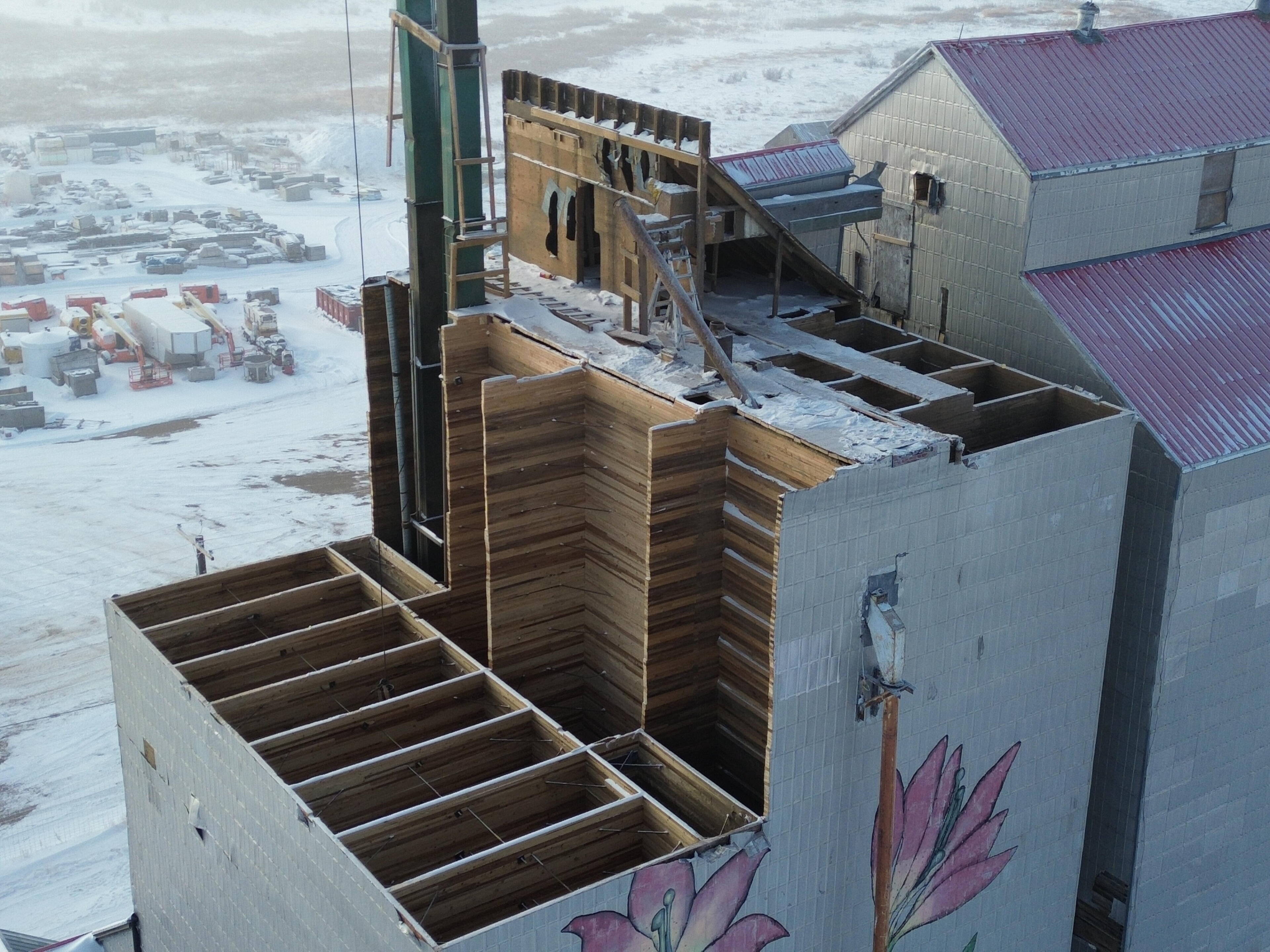
Grain crib
Engineering the Unknown
The reclaimed timber presented a unique technical challenge: the material was ungraded and therefore missing the corresponding documentation.
To use the reclaimed wood within the building code framework, the project team developed an alternative solution supported by extensive testing and analysis.
Researchers at the University of Saskatchewan identified wood species samples from each source elevator and conducted mechanical testing using methodologies similar to those historically used to establish lumber grading values. The results surprised even the design team.
“There really weren’t any red flags,” said Wing. “The material tested extremely well — essentially select structural or No. 1 grade. There was always a concern about whether wood that was loaded repeatedly would have reduced strength properties, but that wasn’t found to be the case.”
Transporting the sections to the fabrication shop
Dismantling the structure
Reclaiming Prairie Timber
At the heart of the project is the reclaimed NLT sourced from decommissioned grain elevators near Saskatoon. Wing had already been collaborating with ABMT Wood Solutions, operating under the name Heritage Mass Timber, on ways to repurpose timber from aging prairie elevators before the school project began.
These grain elevators, many built in the early 1900s, are massive timber structures composed of solid wood grain cribs that were formed by stacking dimensional lumber and fastening it together with nails. Though rarely discussed in modern construction circles, they were an early form of mass timber construction.
“At the peak in the 1960s, Saskatchewan had nearly 6,000 timber grain elevators,” said Wing. “But if somebody built one today, it would make industry news as a tall timber structure.”
Most of those elevators have since been demolished as farms transitioned to larger concrete elevators. Fewer than 300 timber elevators remain in the province.
Rather than allowing these structures to disappear, Heritage Mass Timber developed a process to dismantle them section by section and refurbish them for reuse. Large cubes of timber wall are cut out using chainsaws and cranes, transported back to a fabrication facility, and transformed into structural NLT panels.
For structural engineer David Wing, the project began with a practical challenge. Saskatoon Public Schools needed to replace several aging schools, including two early 20th-century masonry buildings that were no longer accessible or financially viable to rehabilitate. The project team recognized an opportunity to create something meaningful for the surrounding community, where approximately 70 per cent of students are Indigenous.
“We wanted to make a special school,” Wing explained during an interview about the project. “Not just another standard school building, but a place that would feel welcoming, warm, and connected to the community.” The school’s new Cree name, misiwe-kisik, meaning “under one sky,” reflects that ambition.
The project’s success was closely tied to support received through the federal GCWood program, which helped make the school’s mass timber and reclaimed wood ambitions financially and technically feasible. The funding supported critical research, testing, and code work related to the reclaimed nail-laminated timber panels, which enabled the project team to move beyond a conventional steel design toward a more innovative wood-based solution. According to Wing, without the grant, the project likely would not have proceeded as a mass timber school.