buildings We Love

Buildings We Love
Vienna House:
a demonstration in advanced housing development and delivery
Scroll to Read

At a time when cities across Canada and around the world are grappling with housing shortages, affordability pressures, and the urgent need to reduce carbon emissions, the Vienna House project in Vancouver represents a deliberate effort to rethink how a project can be designed, delivered, and shared as an example for the broader construction industry.
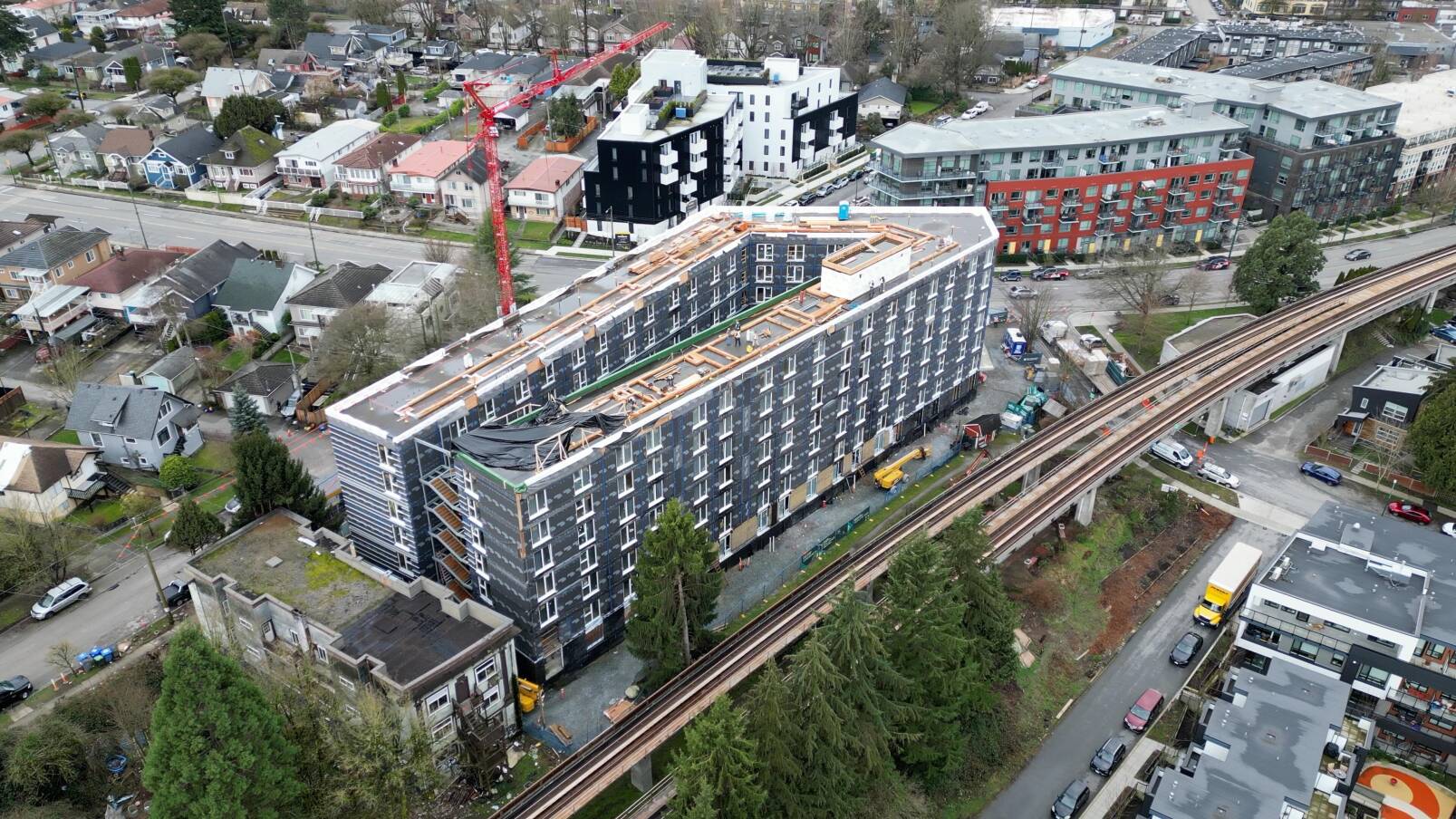
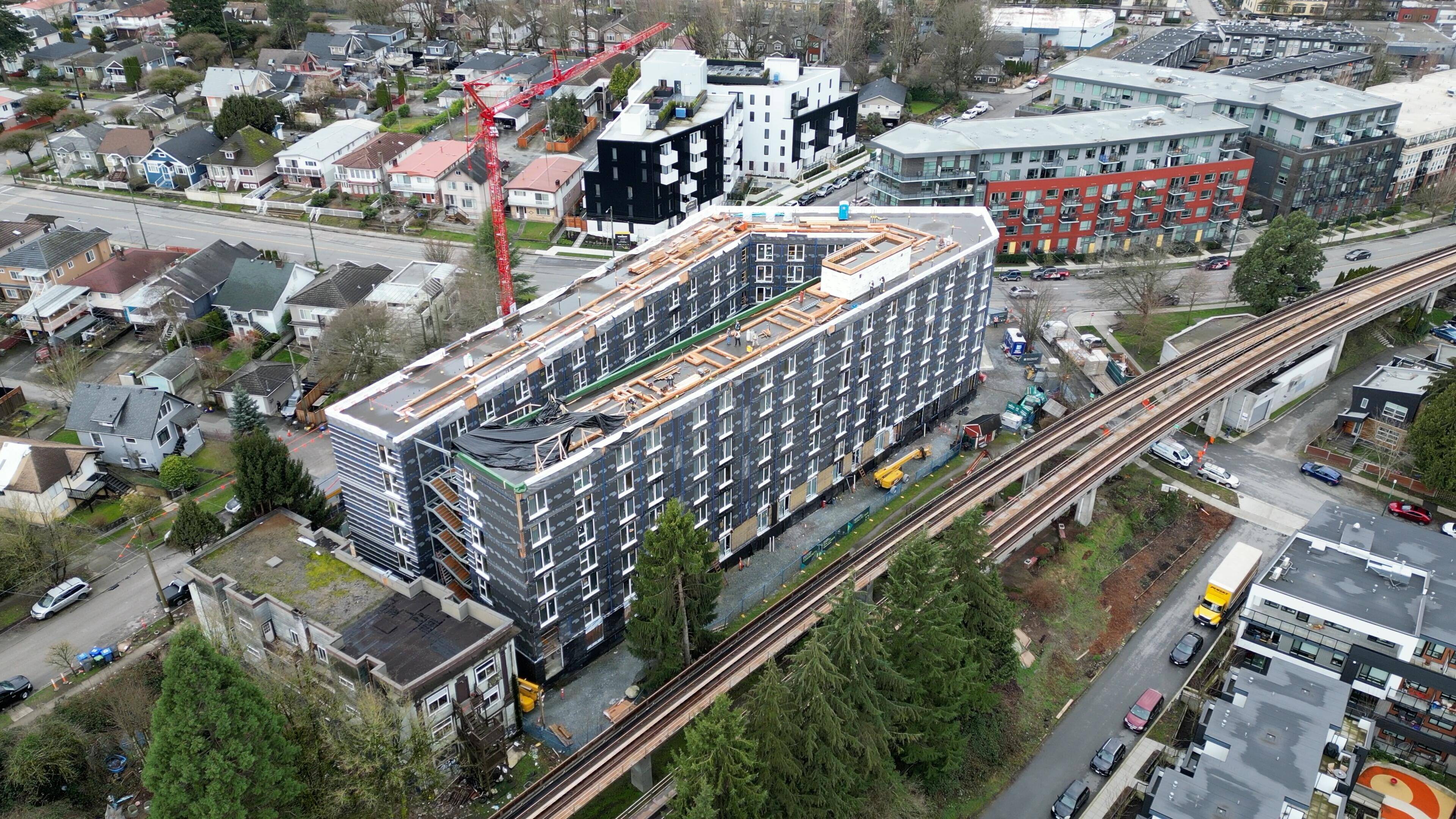
Completing this summer in East Vancouver, Vienna House is a seven-storey hybrid mass timber, light wood frame, concrete, and steel residential building that will provide 123 affordable housing units ranging in size from studios to four-bedroom apartments. Developed as part of Canada’s National Housing Strategy, the project is a demonstration platform for innovation in low-carbon, resilient, and repeatable multi-family construction.
Photo: BC Housing
Photos: Wade Cormer, courtesy naturallywood.com
Photos: Wade Cormer, courtesy naturallywood.com
Photo: Wade Cormer, courtesy naturallywood.com
Photos: Wade Cormer, courtesy naturallywood.com
Throughout the project, the use of wood is foundational not only as a structural material, but as part of a broader effort to reduce embodied carbon while improving quality of life for residents. Exposed CLT ceilings introduce warmth and biophilic benefits into living spaces, while the lighter structural system reduced foundation requirements and supported faster assembly.
Vienna House demonstrates how a single housing project can contribute far beyond its own site boundaries. Through its research program, international partnerships, technical workshops, and open sharing of lessons learned, the project is helping advance knowledge around prefabrication, mass timber, BIM-enabled delivery, and resilient low-carbon housing.
As housing pressures continue to intensify across Canada, Vienna House is not only delivering much needed homes but also providing the broader design and construction community with practical insight into how more sustainable, efficient, and repeatable housing solutions can be delivered in the future. BC Housing has taken these learnings from Vienna House and applied them to create their DASH Digitally Accelerated Standardized Housing Program. DASH uses digital tools and standardized designs to speed up construction. The lessons on prefabrication, BIM and more will support faster, quality construction in BC Housing projects and housing projects across the British Columbia.
For readers interested in exploring the project in greater technical detail, Vienna House has been extensively documented through a series of research bulletins, videos, and technical resources available through https://www.naturallywood.com/projects/vienna-house/
Photos: Wade Cormer, courtesy naturallywood.com
For prefabricated construction, that level of digital coordination is essential. The upfront planning required by BIM shifts much of the problem-solving earlier into the design phase, reducing rework, improving manufacturing accuracy, and limiting costly delays during construction.
The building’s architectural and environmental strategies are equally ambitious. Designed to meet Passive House certification standards, Vienna House incorporates super-insulated prefabricated wall assemblies, airtight construction, high-performance ventilation systems, and mixed-mode cooling strategies intended to improve resilience during extreme heat events and wildfire smoke conditions.
A multi-function central courtyard configuration also plays a vital role in the design by reducing noise from nearby transit infrastructure, improving opportunities for cross ventilation, increasing daylight access, and fostering social interaction between residents. The courtyard design was even evaluated using FLUID sociability modelling software, which predicted significantly higher rates of resident encounters and greetings compared to a conventional double-loaded corridor building form.
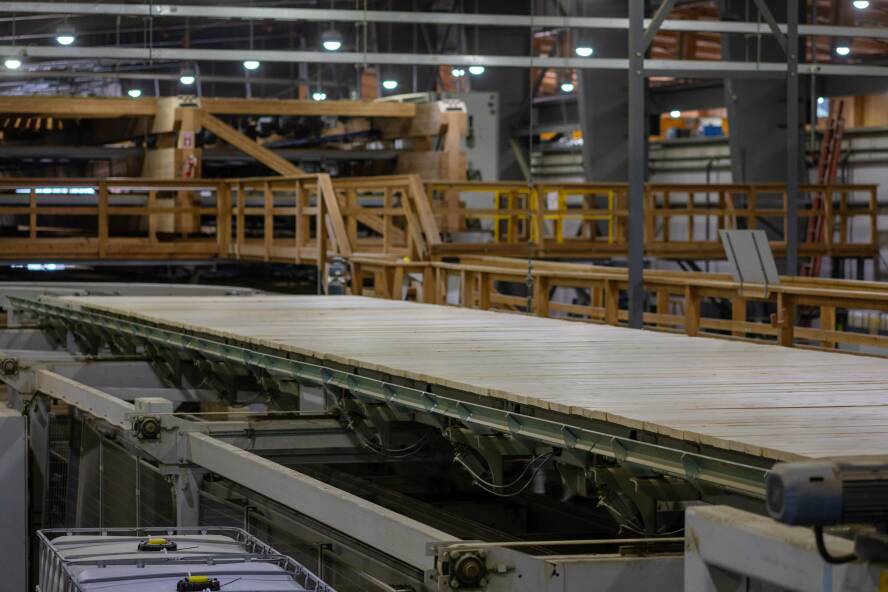
This approach significantly accelerated construction while improving quality control and reducing waste. Panels could be manufactured while foundations and podium construction were underway, allowing the building envelope and structure to progress rapidly once installation began.
Importantly, Vienna House was also designed as a building type with replication potential. The project charter specifically identified off-site prefabrication and renewable construction materials as key strategies for improving the affordability, availability, and constructability of low-carbon housing.
Digital coordination has played an equally important role. Vienna House is the first non-market multi-family housing project in British Columbia to use Building Information Modelling (BIM) throughout concept design, project delivery, and facility management.
BIM became the backbone of collaboration between architects, consultants, manufacturers, contractors, and ownership teams. The coordinated digital workflow helped identify clashes and constructability issues early, supported prefabrication logistics, and enabled detailed coordination between structural, mechanical, and enclosure systems before fabrication began.
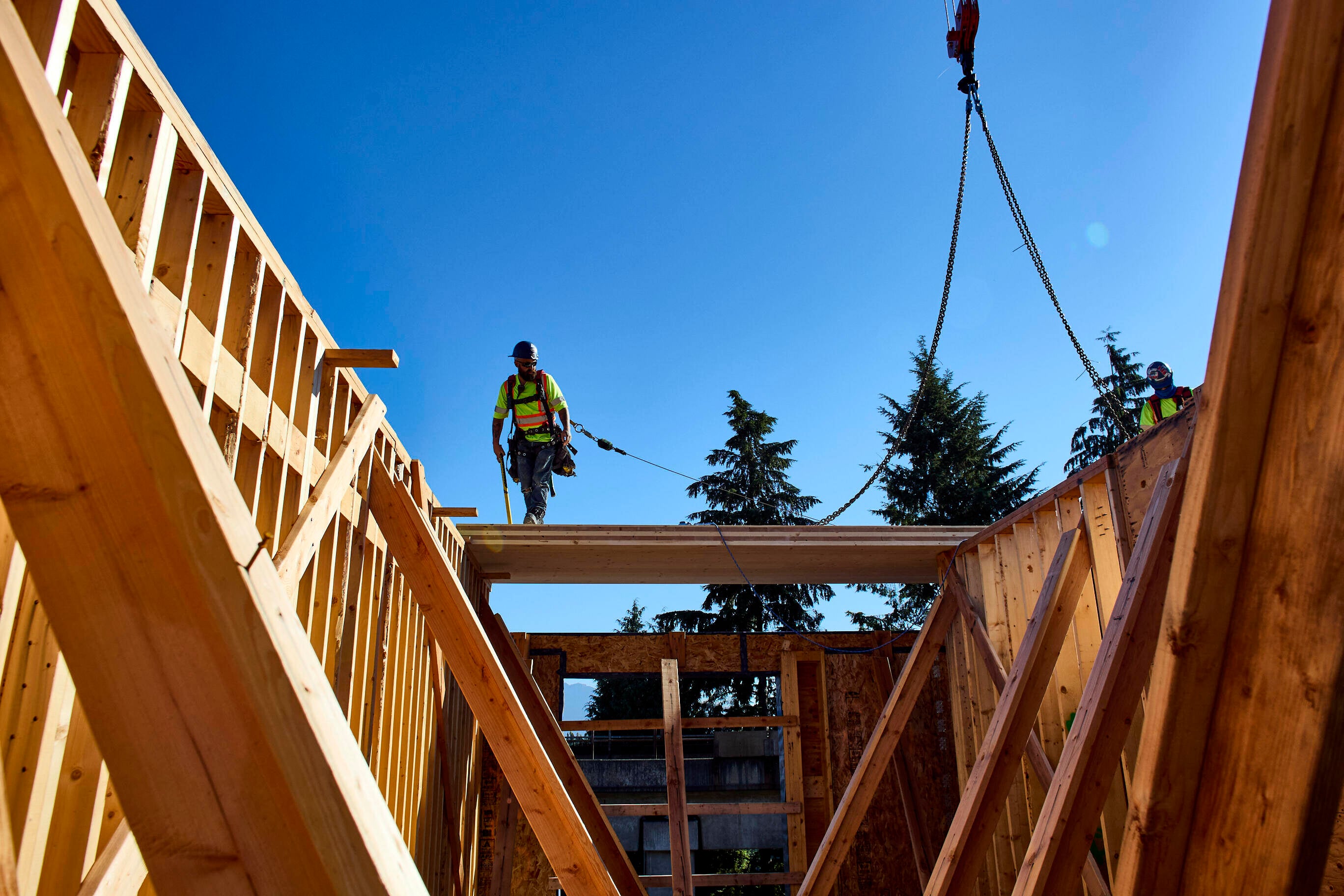
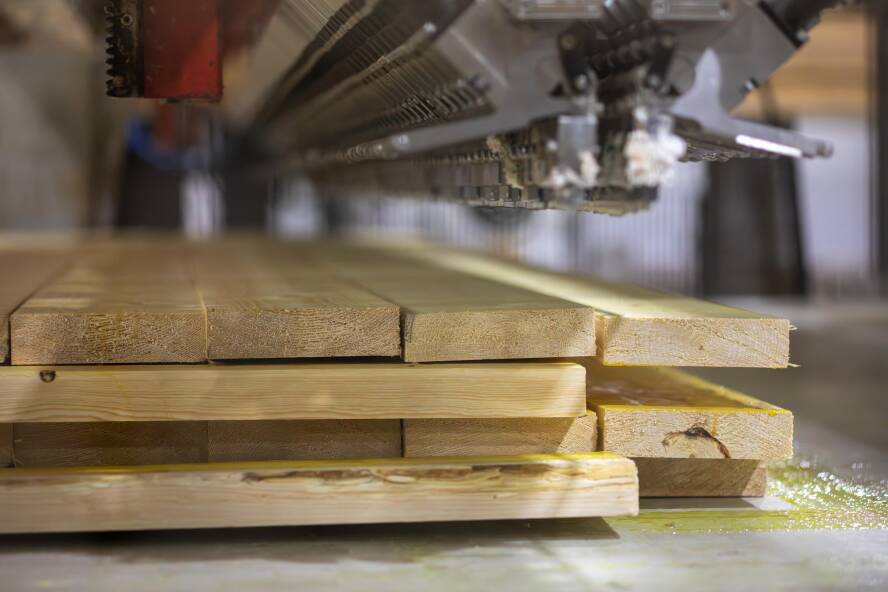
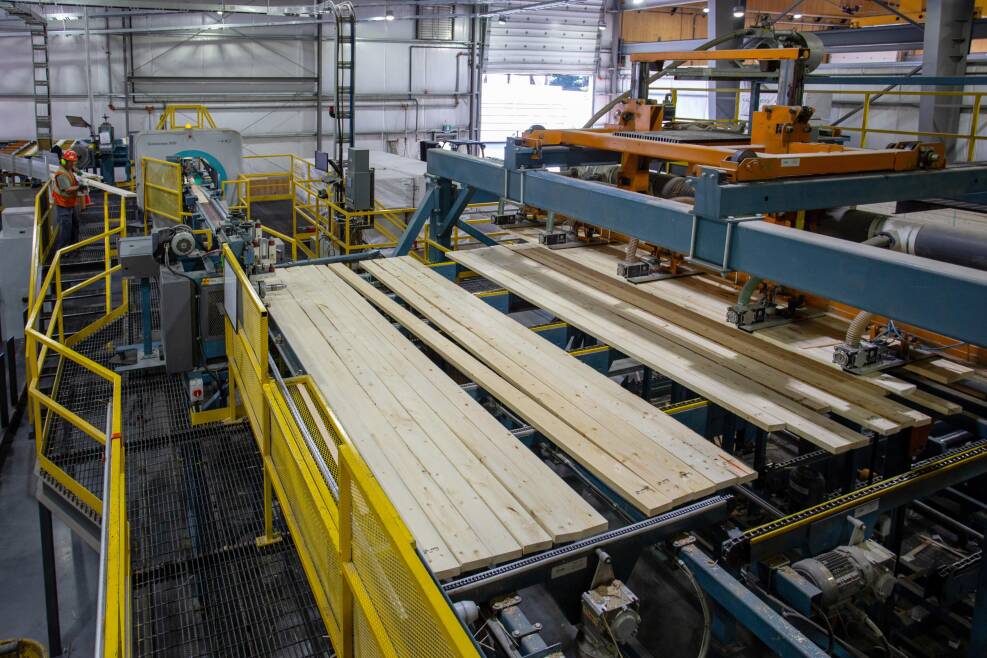
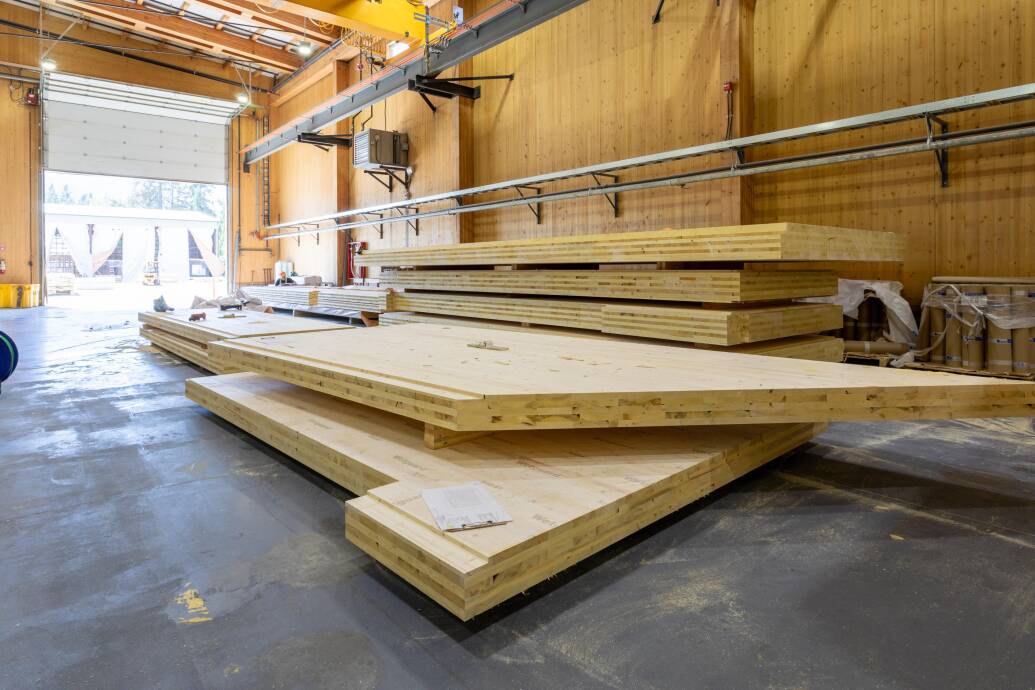
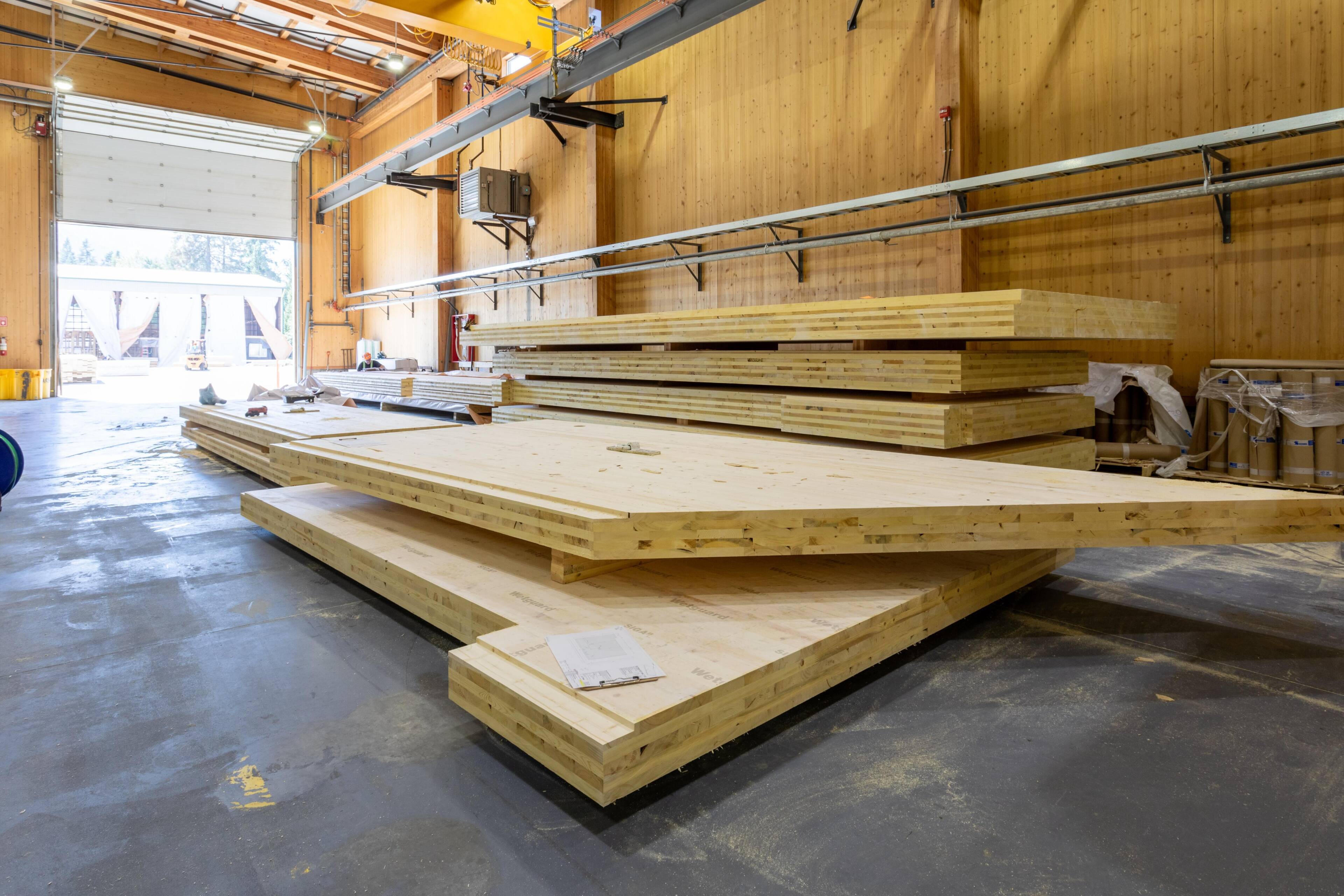
Structurally, Vienna House combines six wood-framed storeys over a concrete podium using a hybrid system of cross-laminated timber (CLT), prefabricated light wood frame panels, concrete, and steel. The building uses CLT in its floors and elevator core, while prefabricated light frame wood panels form the walls and building envelope.
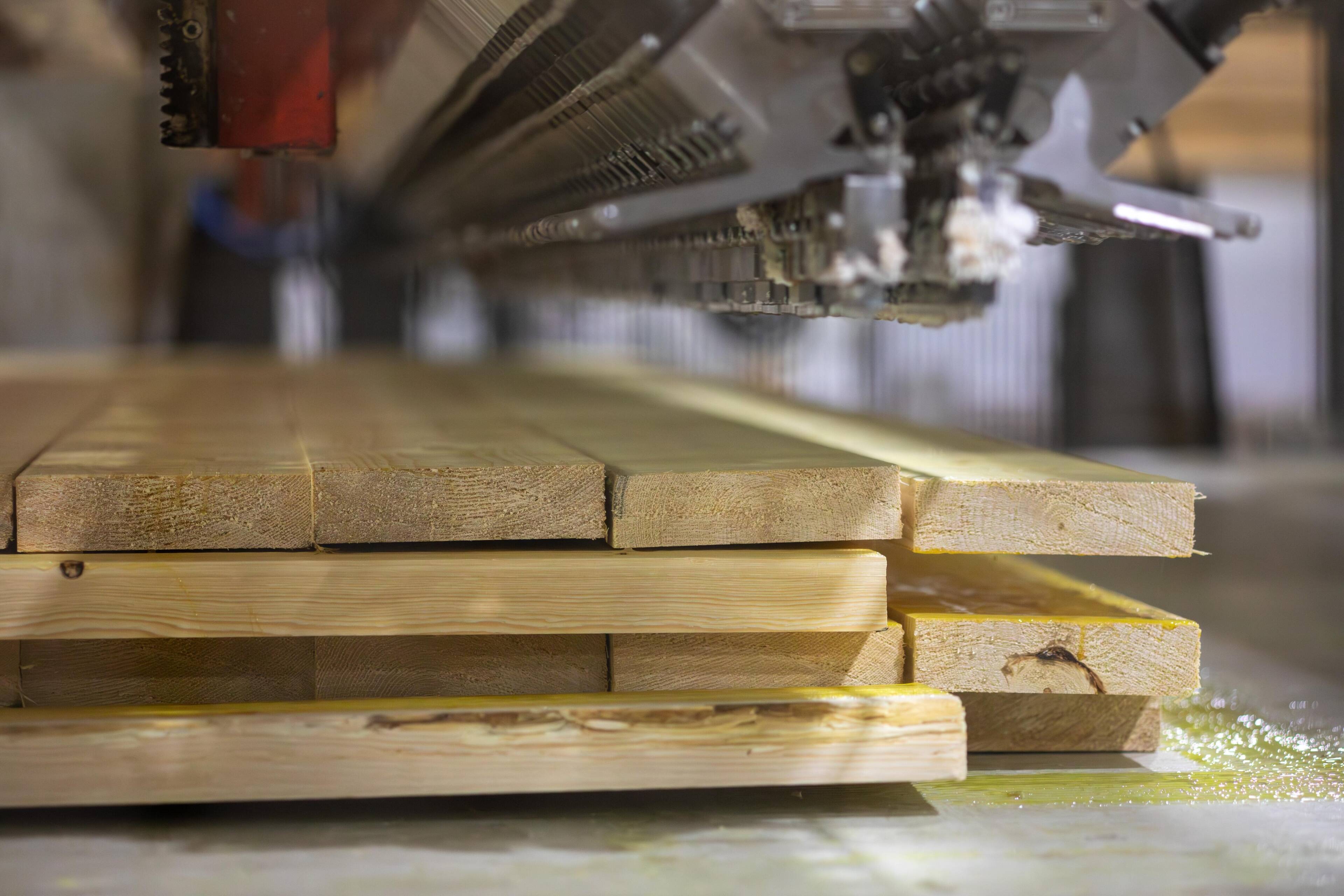
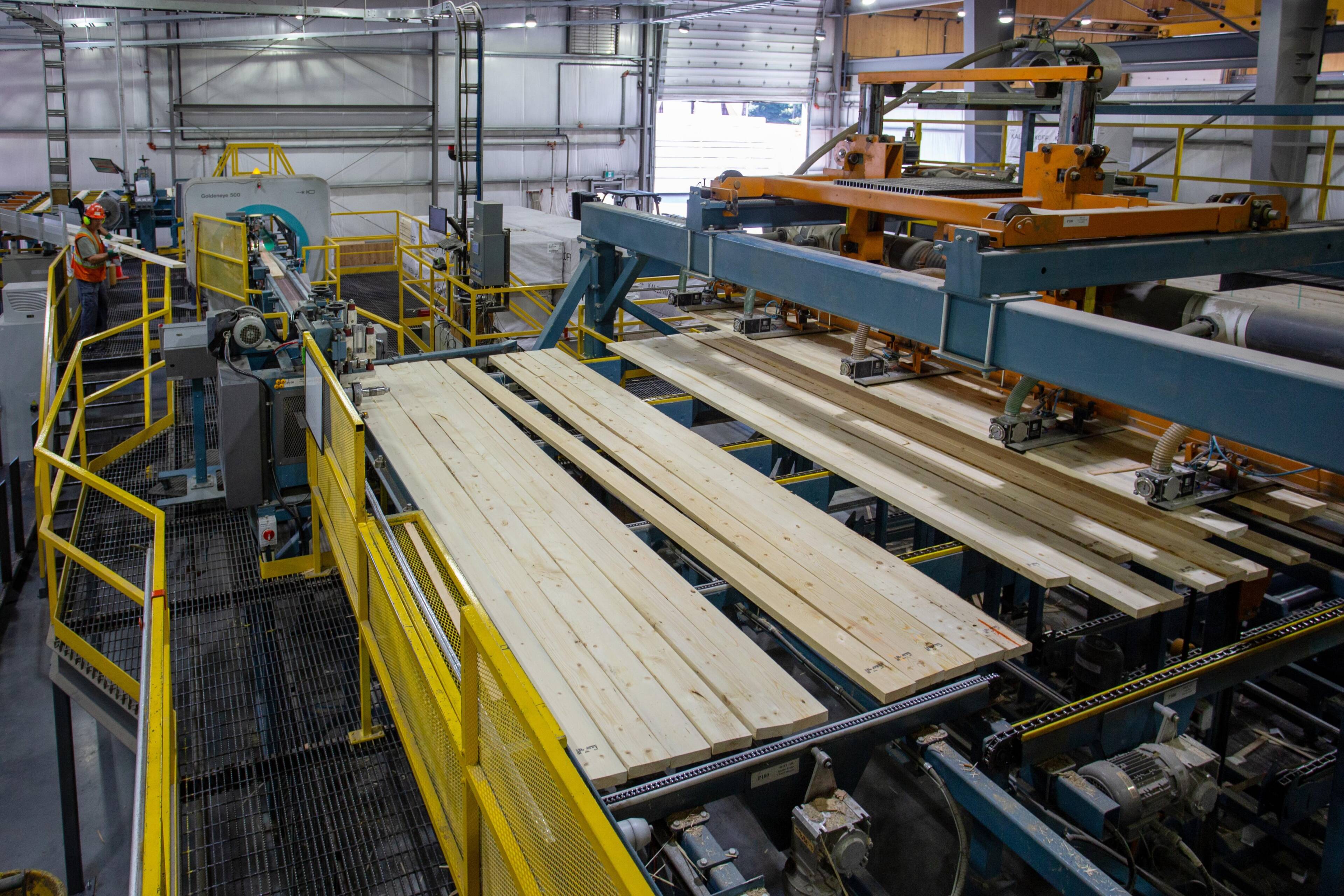
The project team deliberately pursued prefabrication and repeatability as part of a broader strategy to improve construction efficiency and scalability. Exterior wall panels were manufactured off-site as fully enclosed assemblies complete with insulation, air barriers, and weather protection, before arriving on site ready for installation. CLT floor panels were likewise fabricated in advance and delivered on a just-in-time basis in response to the site’s limited staging area.
What makes Vienna House especially notable is the degree to which collaboration and knowledge-sharing were embedded in the project from the outset. In 2018, the cities of Vancouver and Vienna, Austria signed a Memorandum of Understanding focused on sharing best practices in innovative low-carbon affordable housing. From that agreement emerged two “twin” projects: Vienna House in Vancouver and Vancouver House in Vienna. Together, the projects create a rare international partnership where lessons learned in one city can directly inform housing innovation in the other.
The partnership extends beyond symbolic exchange. Both projects explore how prefabrication, timber construction, digital project delivery, and climate-responsive design can help cities address housing affordability and sustainability at scale. In Vienna, the counterpart project uses modularization and BIM-driven planning to optimize construction efficiency and adaptability. In Vancouver, Vienna House has become a Canadian hub for demonstrating many of those same innovative ideas.
That emphasis on knowledge transfer is central to the project’s mandate. Supported by BC Housing’s Research Centre, Forestry Innovation Investment (FII), Canada Mortgage and Housing Corporation (CMHC), and Natural Resources Canada, the project has been accompanied by an extensive research and dissemination program intended to share lessons learned with the wider construction community. Monthly technical meetings brought together researchers, designers, engineers, manufacturers, and housing experts to discuss topics ranging from prefabrication and thermal bridging to acoustics, sociability, and resilience.
The result is a project that functions as both housing and a blueprint for the future.

buildings We Love
Buildings We Love
Vienna House:
a demonstration in advanced housing development and delivery
Photos: Wade Cormer, courtesy naturallywood.com
For prefabricated construction, that level of digital coordination is essential. The upfront planning required by BIM shifts much of the problem-solving earlier into the design phase, reducing rework, improving manufacturing accuracy, and limiting costly delays during construction.
The building’s architectural and environmental strategies are equally ambitious. Designed to meet Passive House certification standards, Vienna House incorporates super-insulated prefabricated wall assemblies, airtight construction, high-performance ventilation systems, and mixed-mode cooling strategies intended to improve resilience during extreme heat events and wildfire smoke conditions.
A multi-function central courtyard configuration also plays a vital role in the design by reducing noise from nearby transit infrastructure, improving opportunities for cross ventilation, increasing daylight access, and fostering social interaction between residents. The courtyard design was even evaluated using FLUID sociability modelling software, which predicted significantly higher rates of resident encounters and greetings compared to a conventional double-loaded corridor building form.
This approach significantly accelerated construction while improving quality control and reducing waste. Panels could be manufactured while foundations and podium construction were underway, allowing the building envelope and structure to progress rapidly once installation began.
Importantly, Vienna House was also designed as a building type with replication potential. The project charter specifically identified off-site prefabrication and renewable construction materials as key strategies for improving the affordability, availability, and constructability of low-carbon housing.
Digital coordination has played an equally important role. Vienna House is the first non-market multi-family housing project in British Columbia to use Building Information Modelling (BIM) throughout concept design, project delivery, and facility management.
BIM became the backbone of collaboration between architects, consultants, manufacturers, contractors, and ownership teams. The coordinated digital workflow helped identify clashes and constructability issues early, supported prefabrication logistics, and enabled detailed coordination between structural, mechanical, and enclosure systems before fabrication began.
Photos: Wade Cormer, courtesy naturallywood.com
Photo: Wade Cormer, courtesy naturallywood.com
Structurally, Vienna House combines six wood-framed storeys over a concrete podium using a hybrid system of cross-laminated timber (CLT), prefabricated light wood frame panels, concrete, and steel. The building uses CLT in its floors and elevator core, while prefabricated light frame wood panels form the walls and building envelope.
The project team deliberately pursued prefabrication and repeatability as part of a broader strategy to improve construction efficiency and scalability. Exterior wall panels were manufactured off-site as fully enclosed assemblies complete with insulation, air barriers, and weather protection, before arriving on site ready for installation. CLT floor panels were likewise fabricated in advance and delivered on a just-in-time basis in response to the site’s limited staging area.
Photos: Wade Cormer, courtesy naturallywood.com
Photos: Wade Cormer, courtesy naturallywood.com
Throughout the project, the use of wood is foundational not only as a structural material, but as part of a broader effort to reduce embodied carbon while improving quality of life for residents. Exposed CLT ceilings introduce warmth and biophilic benefits into living spaces, while the lighter structural system reduced foundation requirements and supported faster assembly.
Vienna House demonstrates how a single housing project can contribute far beyond its own site boundaries. Through its research program, international partnerships, technical workshops, and open sharing of lessons learned, the project is helping advance knowledge around prefabrication, mass timber, BIM-enabled delivery, and resilient low-carbon housing.
As housing pressures continue to intensify across Canada, Vienna House is not only delivering much needed homes but also providing the broader design and construction community with practical insight into how more sustainable, efficient, and repeatable housing solutions can be delivered in the future. BC Housing has taken these learnings from Vienna House and applied them to create their DASH Digitally Accelerated Standardized Housing Program. DASH uses digital tools and standardized designs to speed up construction. The lessons on prefabrication, BIM and more will support faster, quality construction in BC Housing projects and housing projects across the British Columbia.
For readers interested in exploring the project in greater technical detail, Vienna House has been extensively documented through a series of research bulletins, videos, and technical resources available through https://www.naturallywood.com/projects/vienna-house/
What makes Vienna House especially notable is the degree to which collaboration and knowledge-sharing were embedded in the project from the outset. In 2018, the cities of Vancouver and Vienna, Austria signed a Memorandum of Understanding focused on sharing best practices in innovative low-carbon affordable housing. From that agreement emerged two “twin” projects: Vienna House in Vancouver and Vancouver House in Vienna. Together, the projects create a rare international partnership where lessons learned in one city can directly inform housing innovation in the other.
The partnership extends beyond symbolic exchange. Both projects explore how prefabrication, timber construction, digital project delivery, and climate-responsive design can help cities address housing affordability and sustainability at scale. In Vienna, the counterpart project uses modularization and BIM-driven planning to optimize construction efficiency and adaptability. In Vancouver, Vienna House has become a Canadian hub for demonstrating many of those same innovative ideas.
That emphasis on knowledge transfer is central to the project’s mandate. Supported by BC Housing’s Research Centre, Forestry Innovation Investment (FII), Canada Mortgage and Housing Corporation (CMHC), and Natural Resources Canada, the project has been accompanied by an extensive research and dissemination program intended to share lessons learned with the wider construction community. Monthly technical meetings brought together researchers, designers, engineers, manufacturers, and housing experts to discuss topics ranging from prefabrication and thermal bridging to acoustics, sociability, and resilience.
The result is a project that functions as both housing and a blueprint for the future.
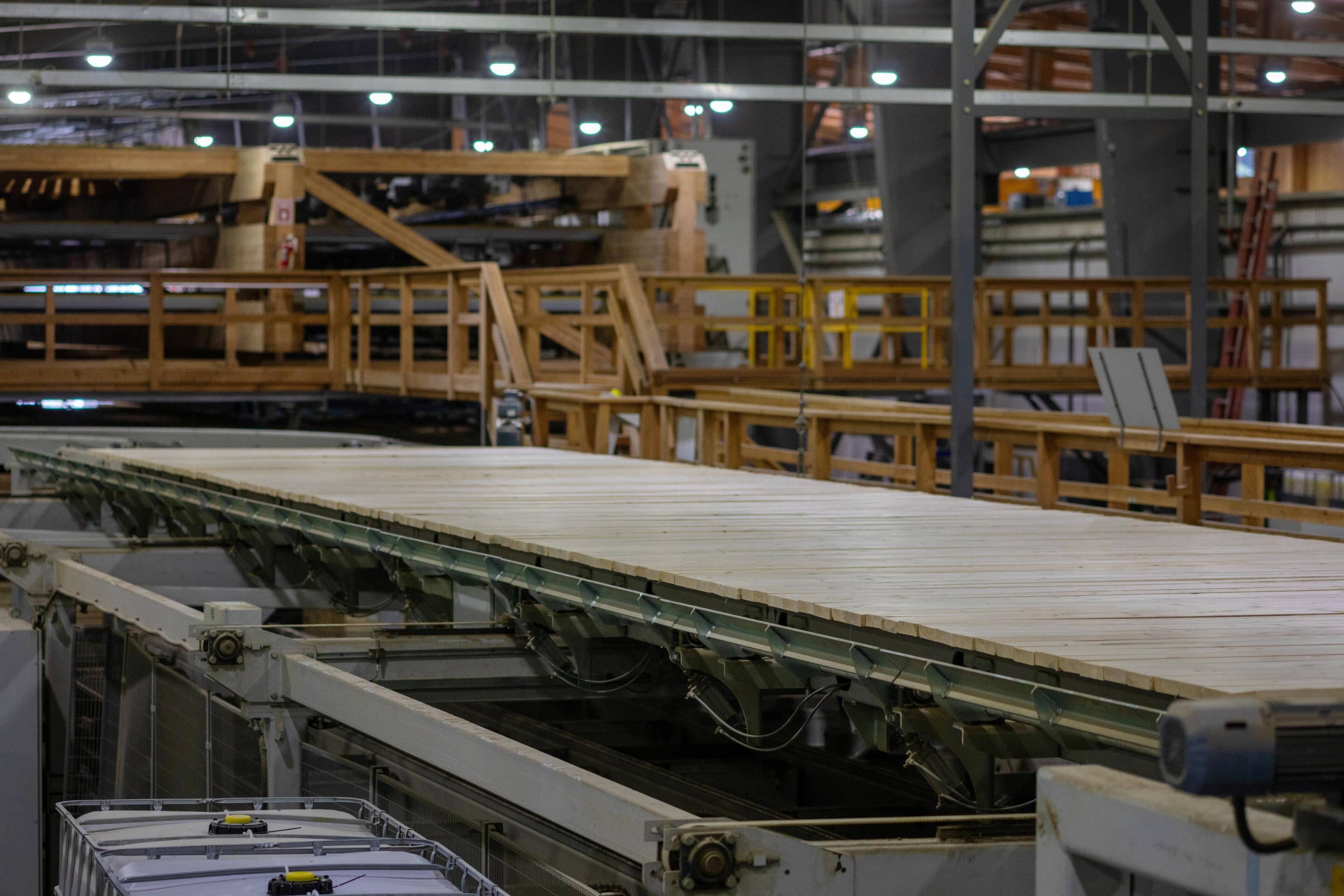
Photo: BC Housing
At a time when cities across Canada and around the world are grappling with housing shortages, affordability pressures, and the urgent need to reduce carbon emissions, the Vienna House project in Vancouver represents a deliberate effort to rethink how a project can be designed, delivered, and shared as an example for the broader construction industry.
Completing this summer in East Vancouver, Vienna House is a seven-storey hybrid mass timber, light wood frame, concrete, and steel residential building that will provide 123 affordable housing units ranging in size from studios to four-bedroom apartments. Developed as part of Canada’s National Housing Strategy, the project is a demonstration platform for innovation in low-carbon, resilient, and repeatable multi-family construction.