Read more
Read more
Read more
Read more
Read more
Read more
Access
To expand market access for wood products, the CWC advanced codes, standards, and policies that enable greater use of wood in construction. technical leadership, research, and industry collaboration, we worked to remove regulatory barriers, enable new applications for wood, and ensure wood products can compete fairly within evolving building and product standards.
In 2025, the CWC participated in more than 100 national, U.S., and international codes and standards committees and task groups, helping shape requirements that influence the use of wood in construction. These efforts expanded market access, reduced barriers to adoption, and helped prevent technically unsupported restrictions on wood that could limit future growth.
The CWC remained highly active in Canadian codes and standards development, supporting new provisions in CSA O86 and the National Building Code of Canada, maintaining confidence in the Canadian lumber system, and advancing modern methods of construction. The following initiatives demonstrate the impact of this work in 2025:
CWC’s codes and standards team remained highly active throughout 2025, participating in more than 100 national, U.S., and international codes and standards committees and task groups. Key outcomes:
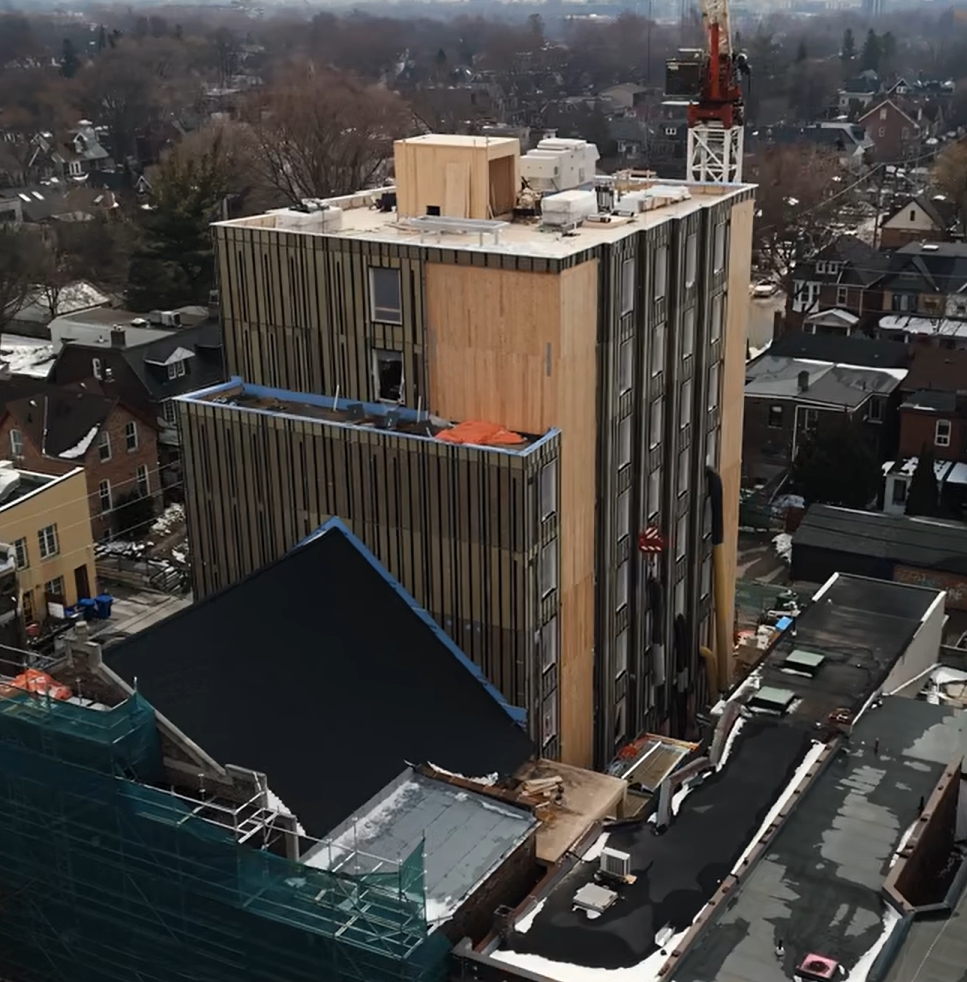
Played a central role in the publication of the National Building Code 2025, which includes significantly improved provisions for mass timber and encapsulated mass timber construction (EMTC), reflecting sustained engagement from 2020 to 2025.
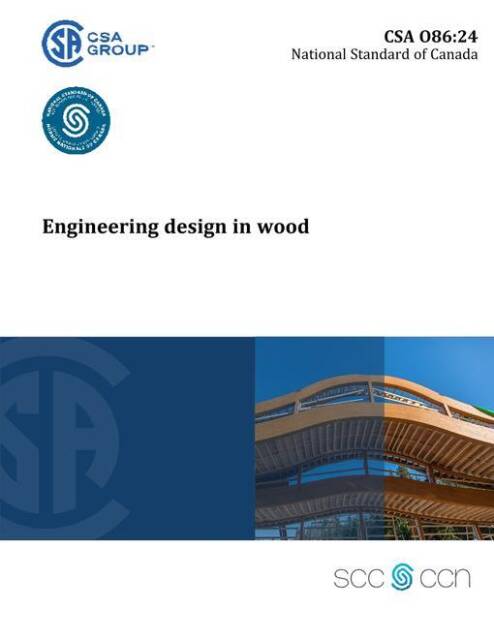
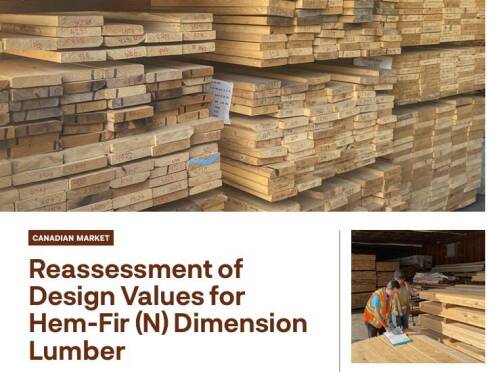
Delivered major contributions to CSA O86:24, including our ongoing Technical Committee secretariat leadership, coordination of updates to Hem‑Fir lumber design values and extensive technical Task Group leadership that will inform the next update to the standard.
Initiated the coordination of technical and policy initiatives across organizations, including ASTM task groups and national accreditation discussions, to align standards, CCMC technical guides, and certification pathways.
Maintained strategic representation on top-level Canadian code governance bodies, including the Canadian Building and Housing Codes Committee (CBHCC), Advisory Committee on Housing and Climate Change (ACHCC), Codes Canada, CSA’s Construction and Civil Infrastructure Strategic Steering Committee (CCISSC), and the Canadian Commission on Construction Materials Evaluation (CCCME), and through this work gave the wood industry direct influence with senior decisionmakers.
Maintained engagement with U.S. standards bodies (APA, AWC, ASTM, ICC, NFPA, ASHRAE), protecting Canadian interests in fire, wildland-urban interface, acoustics, structural, seismic, and sustainability topics.
Displayed Canada’s international leadership by active participation in ISO structural timber, fire safety, environmental management, and sustainability committees; expanded our international influence by taking on the role of Committee Manager for ISO TC165 starting in 2026.
These efforts help ensure wood products remain competitive within evolving regulatory environments while preventing technically unsupported restrictions that can become difficult to reverse once embedded in codes and standards systems.
Top of Section
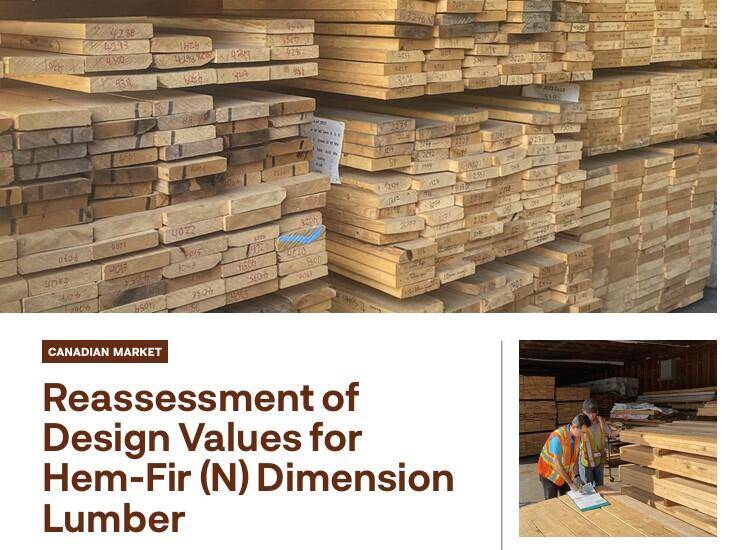
CWC delivered imperative technical work that underpins the Canadian lumber properties and grading systems. This work safeguards the credibility of Canadian lumber in both domestic and international markets and reduces future technical risk to grading and design systems. Key outcomes:
Supported NLGA through detailed analysis of Hem-Fir in‑grade reassessment testing, leading to the approval of updated Hem-Fir lumber design values into Canadian, U.S. and Japanese design standards.
Reconstructed the full Canadian and Japanese in‑grade derivation procedure, ensuring long‑term resilience of the lumber properties framework and enabling future initiatives such as additional species groups and strength‑class approaches.
Conducted initial lumber property analysis to support introducing a future 5th (and potentially 6th) lumber species group in Canada, with constituent species from undervalued Northern species.
Top of Section
CWC oversaw analysis and testing to support codes and standards work, generating rationale to support new provisions in CSA O86 and the National Building Code of Canada. Work was advanced with FPInnovations and university partners and was complemented by NRCan research funding through March 31, 2026. Key outcomes:
Delivered background information needed for proposed CSA O86:29 updates, including self-tapping screw reinforcement provisions, seismic provisions for moment resisting timber frames and timber braced frames, and timber connection fire testing for CSA O86:29 Annex B.
Improved university research collaboration to strengthen future CSA O86 provisions, including initiation of work on self-tapping screws in built up columns to support larger, cost-effective light wood frame applications.
Advanced light wood frame seismic research to support science-based updates for the next code cycle, multi-storey shear wall testing at uOttawa, and collaboration with McGill on podium supported systems.
Developed the national impact sound testing for light wood-frame and mass timber assemblies through active participation in the NRC-led Impact Sound Special Interest Group, directly supporting the incoming health-related objective in the National Building Code.
Top of Section
CWC oversaw the three-year NRCan-funded projects that complemented MSA activities by generating the research needed to justify new or expanded code provisions. By March 2026, all NRCan-funded projects were completed. These projects convert research investment into code provisions, tools, and standards, supplementing wood industry contributions. Key outcomes:
Reinforcement of structural timber using self‑tapping screws (STS): Delivered detailed design provisions for glulam and CLT members, addressing openings, notches, compression perpendicular to grain, punching shear in CLT, and connection detailing. These provisions are targeted for inclusion in CSA O86:29.
Seismic design of moment‑resisting timber frames: Completed advanced testing and nonlinear modelling confirming viable performance for wood lateral systems in midrise mass‑timber buildings, forming the technical basis for upcoming CSA O86 seismic provisions.
Mass‑timber connection fire testing: Advanced fire‑resistance data to support updates to CSA O86 Annex B, improving reliability and acceptance of mass‑timber assemblies.
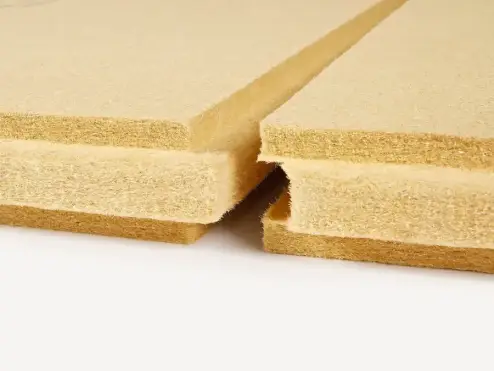
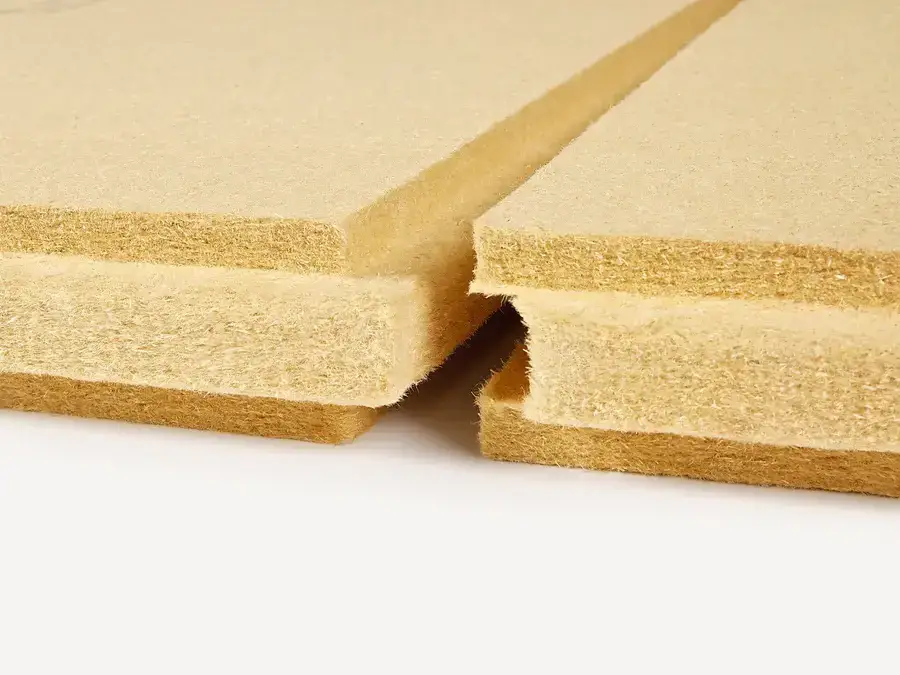
Wood fibre insulation standard: Draft standard completed and now progressing through the UL balloting process, supporting wood fibre insulation materials.
Top of Section
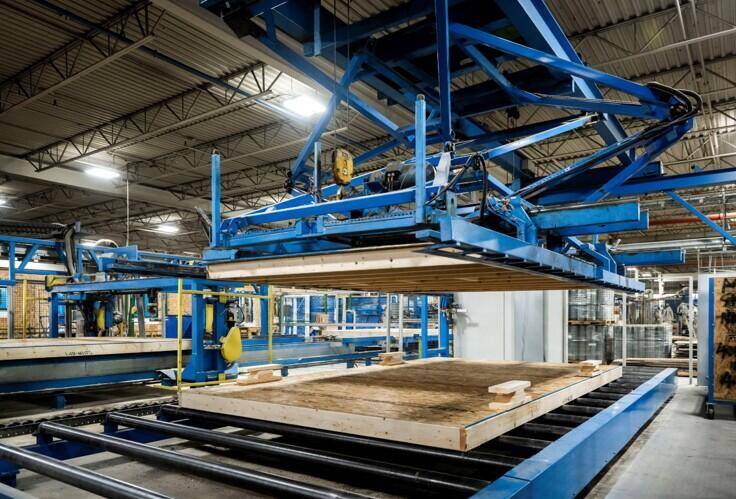
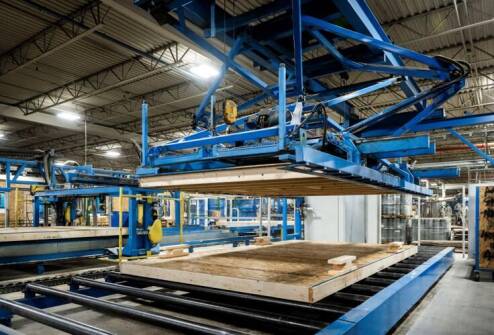
Advancing Modern Methods of Construction (MMC) remained an important focus in 2025 as the Canadian Wood Council worked to better understand how wood-based industrialized construction can support housing delivery, productivity, and market growth. In the fourth quarter, CWC convened an industry consultation in Toronto that brought together representatives from the lumber industry, design community, municipal governments, industrialized construction sector, and government organizations. Forest Products Association of Canada participated as a key partner, contributing perspectives on the connection between forestry, manufacturing capacity, and industrialized wood construction.
Discussions explored opportunities and challenges related to market demand, manufacturing readiness, supply chain development, demonstration projects, and regulatory frameworks. Participants consistently identified the need for stronger and more predictable project demand, improved education and awareness among key decision-makers, and more efficient supply chain practices to support industry growth. Affordable mid-rise housing projects emerged as a particularly promising opportunity to demonstrate the benefits of wood-based MMC systems and accelerate adoption.
Insights gathered through the consultation will help inform the development of a roadmap aimed at maximizing the potential of MMC for the Canadian wood industry and identifying practical pathways to expand the use of wood in industrialized construction.
Top of Section

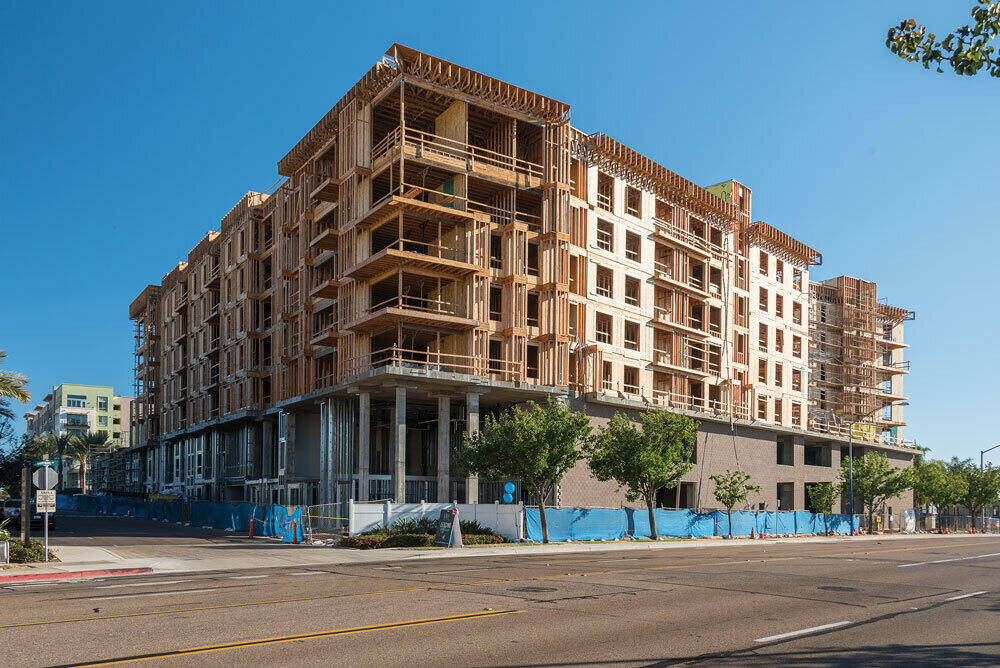
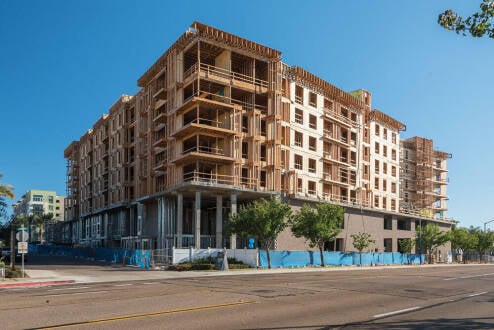
Looking ahead to 2026, the Canadian Wood Council will continue advancing code and regulatory initiatives that expand market access for wood products and ensure wood is treated fairly within Canada's building regulatory framework. Key priorities include supporting more efficient pathways for the approval of innovative wood products, advancing code changes that enable new construction typologies such as six-storey light wood frame buildings over two-storey podiums ("6+2"), and broadening opportunities for encapsulated mass timber construction through participation in national code development processes.
CWC will also continue advocating for performance-based code provisions that recognize the capabilities of wood systems, while supporting technical developments that address barriers to wood construction in specific markets. This includes providing guidance to support more appropriate seismic design approaches for mid-rise light wood frame buildings in high-seismic regions and contributing evidence-based expertise to code discussions on single-egress multi-family residential buildings. Together, these efforts will help create new opportunities for wood construction, improve regulatory consistency across jurisdictions, and support greater adoption of wood in housing and other building types across Canada.
Top of Section
Read more
Read more
Read more
Read more
Read more
Read more
To expand market access for wood products, the CWC advanced codes, standards, and policies that enable greater use of wood in construction. technical leadership, research, and industry collaboration, we worked to remove regulatory barriers, enable new applications for wood, and ensure wood products can compete fairly within evolving building and product standards.
In 2025, the CWC participated in more than 100 national, U.S., and international codes and standards committees and task groups, helping shape requirements that influence the use of wood in construction. These efforts expanded market access, reduced barriers to adoption, and helped prevent technically unsupported restrictions on wood that could limit future growth.
The CWC remained highly active in Canadian codes and standards development, supporting new provisions in CSA O86 and the National Building Code of Canada, maintaining confidence in the Canadian lumber system, and advancing modern methods of construction. The following initiatives demonstrate the impact of this work in 2025:
CWC’s codes and standards team remained highly active throughout 2025, participating in more than 100 national, U.S., and international codes and standards committees and task groups. Key outcomes:
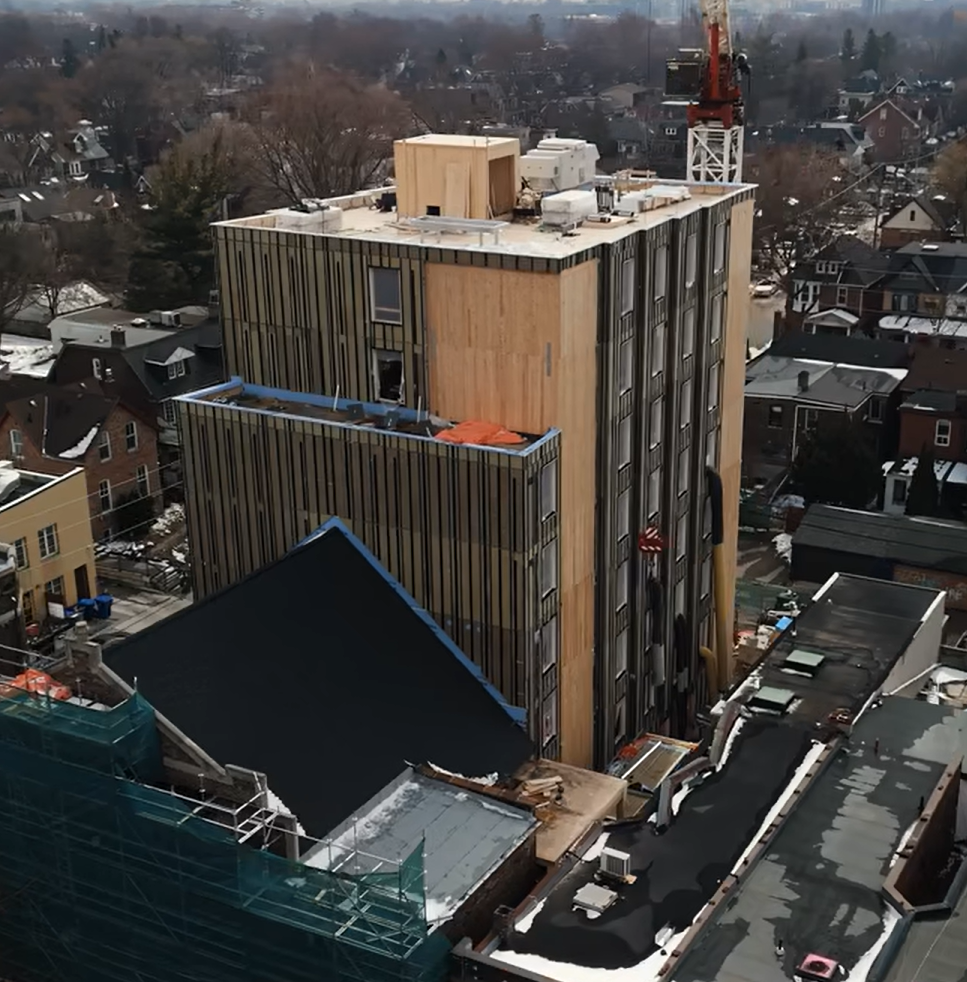
Played a central role in the publication of the National Building Code 2025, which includes significantly improved provisions for mass timber and encapsulated mass timber construction (EMTC), reflecting sustained engagement from 2020 to 2025.
Delivered major contributions to CSA O86:24, including our ongoing Technical Committee secretariat leadership, coordination of updates to Hem‑Fir lumber design values and extensive technical Task Group leadership that will inform the next update to the standard.
Initiated the coordination of technical and policy initiatives across organizations, including ASTM task groups and national accreditation discussions, to align standards, CCMC technical guides, and certification pathways.
Maintained strategic representation on top-level Canadian code governance bodies, including the Canadian Building and Housing Codes Committee (CBHCC), Advisory Committee on Housing and Climate Change (ACHCC), Codes Canada, CSA’s Construction and Civil Infrastructure Strategic Steering Committee (CCISSC), and the Canadian Commission on Construction Materials Evaluation (CCCME), and through this work gave the wood industry direct influence with senior decisionmakers.
Maintained engagement with U.S. standards bodies (APA, AWC, ASTM, ICC, NFPA, ASHRAE), protecting Canadian interests in fire, wildland-urban interface, acoustics, structural, seismic, and sustainability topics.
Displayed Canada’s international leadership by active participation in ISO structural timber, fire safety, environmental management, and sustainability committees; expanded our international influence by taking on the role of Committee Manager for ISO TC165 starting in 2026.
These efforts help ensure wood products remain competitive within evolving regulatory environments while preventing technically unsupported restrictions that can become difficult to reverse once embedded in codes and standards systems.
CWC delivered imperative technical work that underpins the Canadian lumber properties and grading systems. This work safeguards the credibility of Canadian lumber in both domestic and international markets and reduces future technical risk to grading and design systems. Key outcomes:
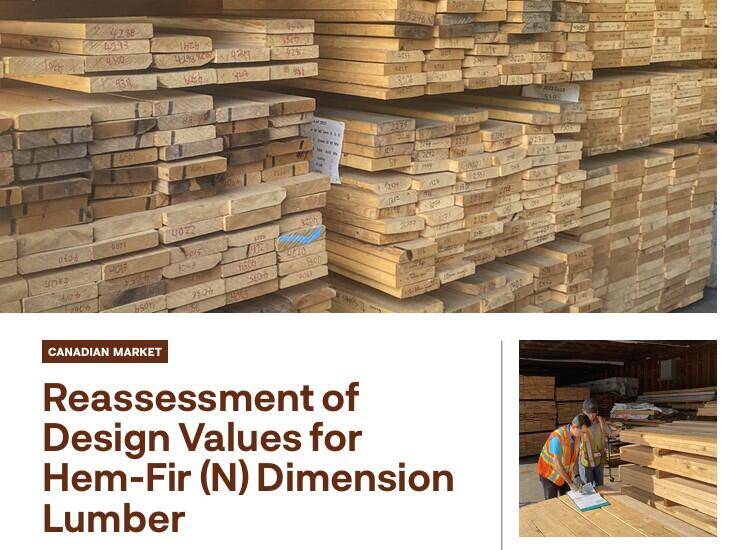
Supported NLGA through detailed analysis of Hem-Fir in‑grade reassessment testing, leading to the approval of updated Hem-Fir lumber design values into Canadian, U.S. and Japanese design standards.
Reconstructed the full Canadian and Japanese in‑grade derivation procedure, ensuring long‑term resilience of the lumber properties framework and enabling future initiatives such as additional species groups and strength‑class approaches.
Conducted initial lumber property analysis to support introducing a future 5th (and potentially 6th) lumber species group in Canada, with constituent species from undervalued Northern species.
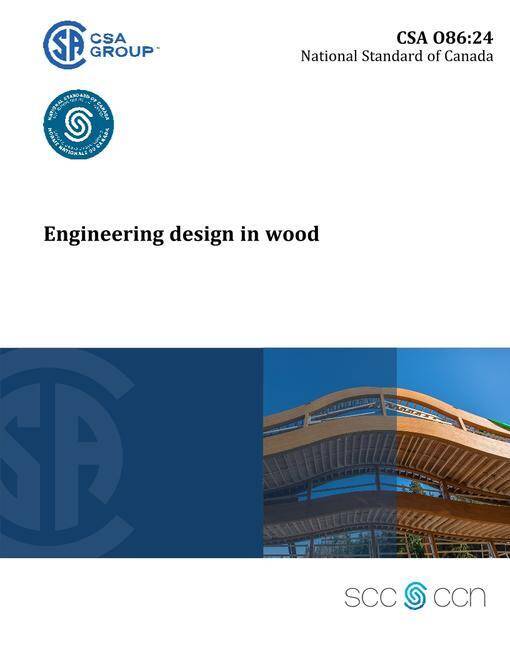
CWC oversaw analysis and testing to support codes and standards work, generating rationale to support new provisions in CSA O86 and the National Building Code of Canada. Work was advanced with FPInnovations and university partners and was complemented by NRCan research funding through March 31, 2026. Key outcomes:
Delivered background information needed for proposed CSA O86:29 updates, including self-tapping screw reinforcement provisions, seismic provisions for moment resisting timber frames and timber braced frames, and timber connection fire testing for CSA O86:29 Annex B.
Improved university research collaboration to strengthen future CSA O86 provisions, including initiation of work on self-tapping screws in built up columns to support larger, cost-effective light wood frame applications.
Advanced light wood frame seismic research to support science-based updates for the next code cycle, multi-storey shear wall testing at uOttawa, and collaboration with McGill on podium supported systems.
Developed the national impact sound testing for light wood-frame and mass timber assemblies through active participation in the NRC-led Impact Sound Special Interest Group, directly supporting the incoming health-related objective in the National Building Code.
CWC oversaw the three-year NRCan-funded projects that complemented MSA activities by generating the research needed to justify new or expanded code provisions. By March 2026, all NRCan-funded projects were completed. These projects convert research investment into code provisions, tools, and standards, supplementing wood industry contributions. Key outcomes:
Reinforcement of structural timber using self‑tapping screws (STS): Delivered detailed design provisions for glulam and CLT members, addressing openings, notches, compression perpendicular to grain, punching shear in CLT, and connection detailing. These provisions are targeted for inclusion in CSA O86:29.
Seismic design of moment‑resisting timber frames: Completed advanced testing and nonlinear modelling confirming viable performance for wood lateral systems in midrise mass‑timber buildings, forming the technical basis for upcoming CSA O86 seismic provisions.
Mass‑timber connection fire testing: Advanced fire‑resistance data to support updates to CSA O86 Annex B, improving reliability and acceptance of mass‑timber assemblies.
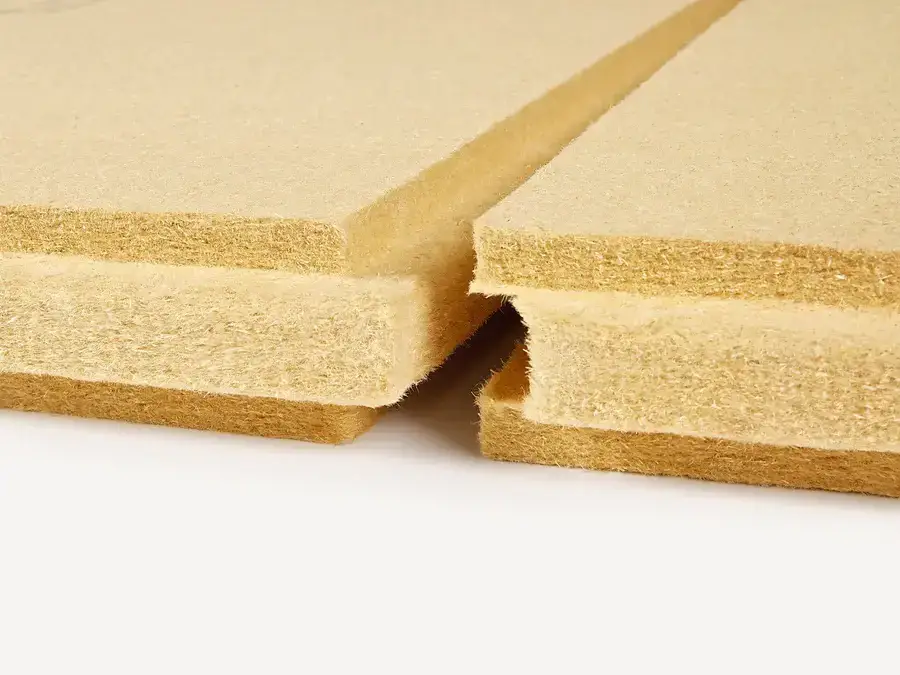
Wood fibre insulation standard: Draft standard completed and now progressing through the UL balloting process, supporting wood fibre insulation materials.
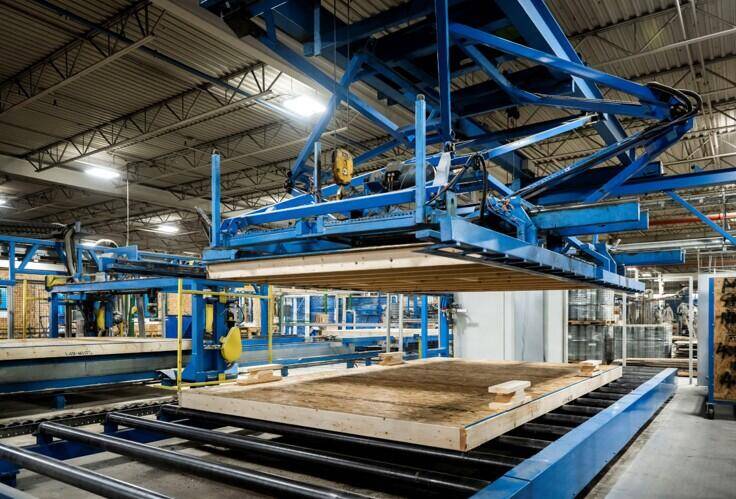
Advancing Modern Methods of Construction (MMC) remained an important focus in 2025 as the Canadian Wood Council worked to better understand how wood-based industrialized construction can support housing delivery, productivity, and market growth. In the fourth quarter, CWC convened an industry consultation in Toronto that brought together representatives from the lumber industry, design community, municipal governments, industrialized construction sector, and government organizations. Forest Products Association of Canada participated as a key partner, contributing perspectives on the connection between forestry, manufacturing capacity, and industrialized wood construction.
Discussions explored opportunities and challenges related to market demand, manufacturing readiness, supply chain development, demonstration projects, and regulatory frameworks. Participants consistently identified the need for stronger and more predictable project demand, improved education and awareness among key decision-makers, and more efficient supply chain practices to support industry growth. Affordable mid-rise housing projects emerged as a particularly promising opportunity to demonstrate the benefits of wood-based MMC systems and accelerate adoption.
Insights gathered through the consultation will help inform the development of a roadmap aimed at maximizing the potential of MMC for the Canadian wood industry and identifying practical pathways to expand the use of wood in industrialized construction.
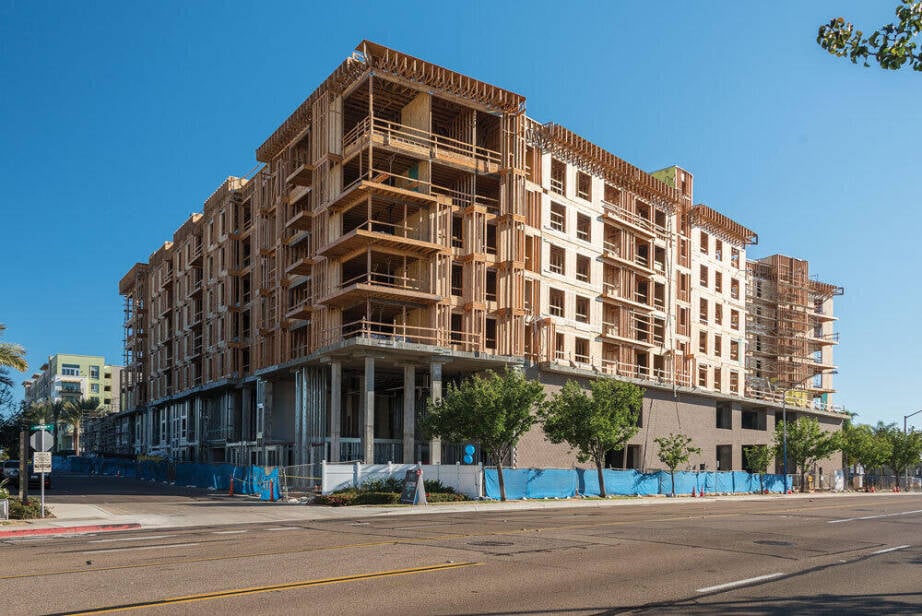
Looking ahead to 2026, the Canadian Wood Council will continue advancing code and regulatory initiatives that expand market access for wood products and ensure wood is treated fairly within Canada's building regulatory framework. Key priorities include supporting more efficient pathways for the approval of innovative wood products, advancing code changes that enable new construction typologies such as six-storey light wood frame buildings over two-storey podiums ("6+2"), and broadening opportunities for encapsulated mass timber construction through participation in national code development processes.
CWC will also continue advocating for performance-based code provisions that recognize the capabilities of wood systems, while supporting technical developments that address barriers to wood construction in specific markets. This includes providing guidance to support more appropriate seismic design approaches for mid-rise light wood frame buildings in high-seismic regions and contributing evidence-based expertise to code discussions on single-egress multi-family residential buildings. Together, these efforts will help create new opportunities for wood construction, improve regulatory consistency across jurisdictions, and support greater adoption of wood in housing and other building types across Canada.