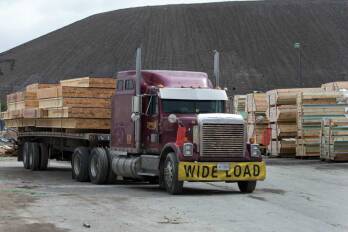
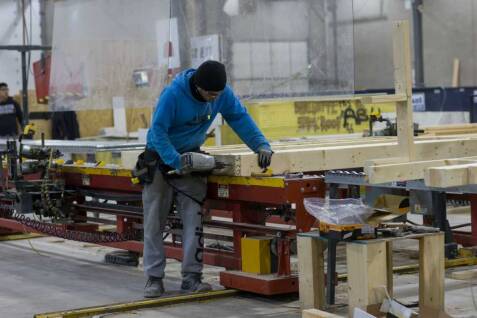
Canada’s housing debate has moved beyond setting ambitious targets. The test now is delivery: we need to build more homes, faster and more affordably, while strengthening Canadian manufacturing, jobs and supply chains.
Forest Products Association of Canada (FPAC), in partnership with the Canadian Wood Council (CWC) and WoodWorks, recently brought together leaders in wood manufacturing, building codes and approvals, workforce development, and modern methods of construction to focus on what can be done to meet the urgent national need for more homes. One point came through clearly in the panel discussion: if we fail to meet Canada’s housing needs, it will not be due to a lack of construction solutions.

FEATURE
Real Action Leaders Can Take Today to Build Canadian Homes with Canadian Wood
Scroll to Read

About the Author
Hailey Quiquero, Senior Manager, WoodWorks Ontario, is a structural engineer specializing in sustainable architecture and the advancement of timber building systems. Her career has spanned research in mass timber & fire safety, structural design consulting, and executing prefabricated timber housing projects. In her current role as Senior Manager for the Canadian Wood Council’s WoodWorks program, Hailey works with the team to aid project teams with technical support and to bring resources and education to industry stakeholders, advancing the successful use of a natural and sustainable building material in our built environment.

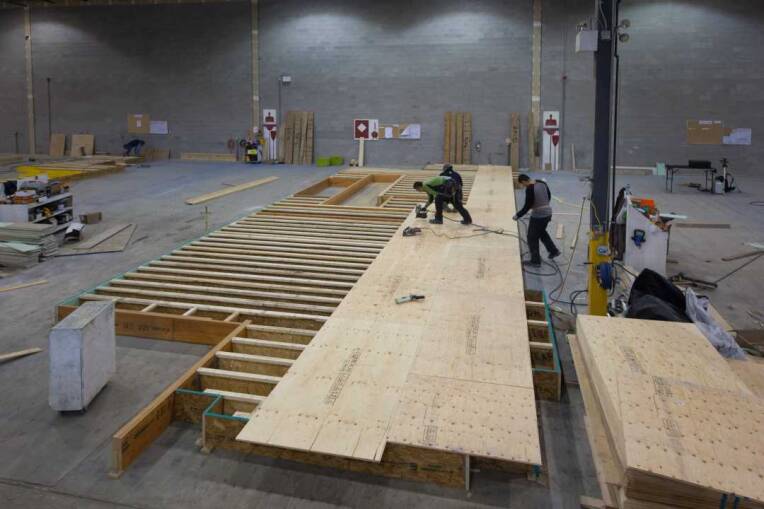
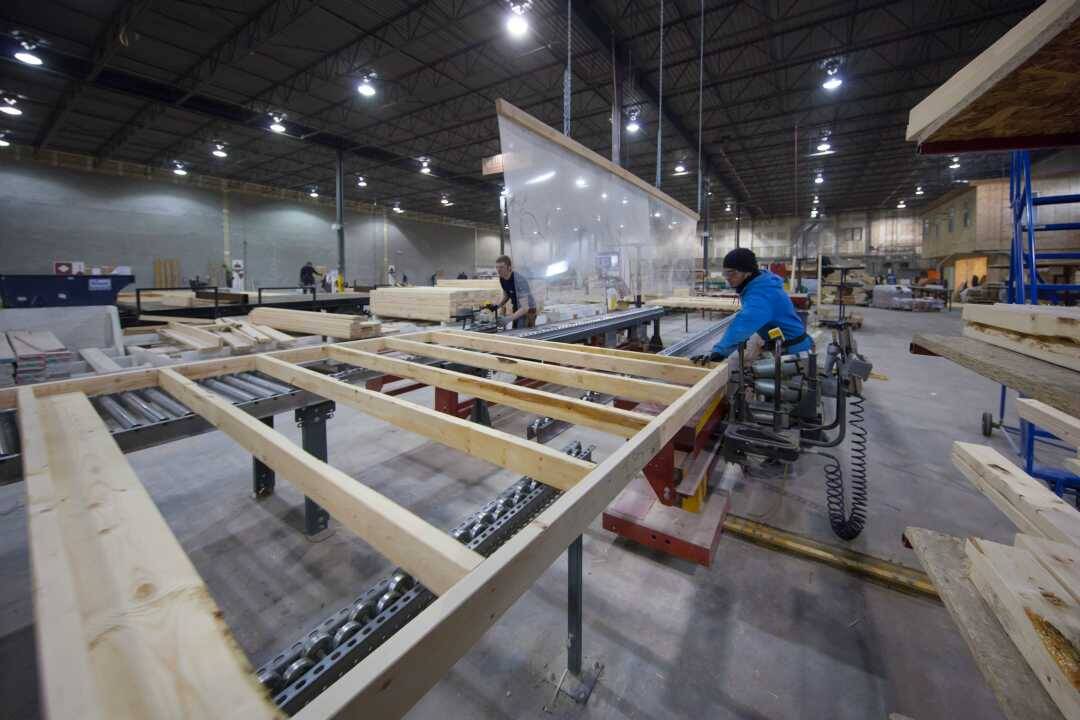
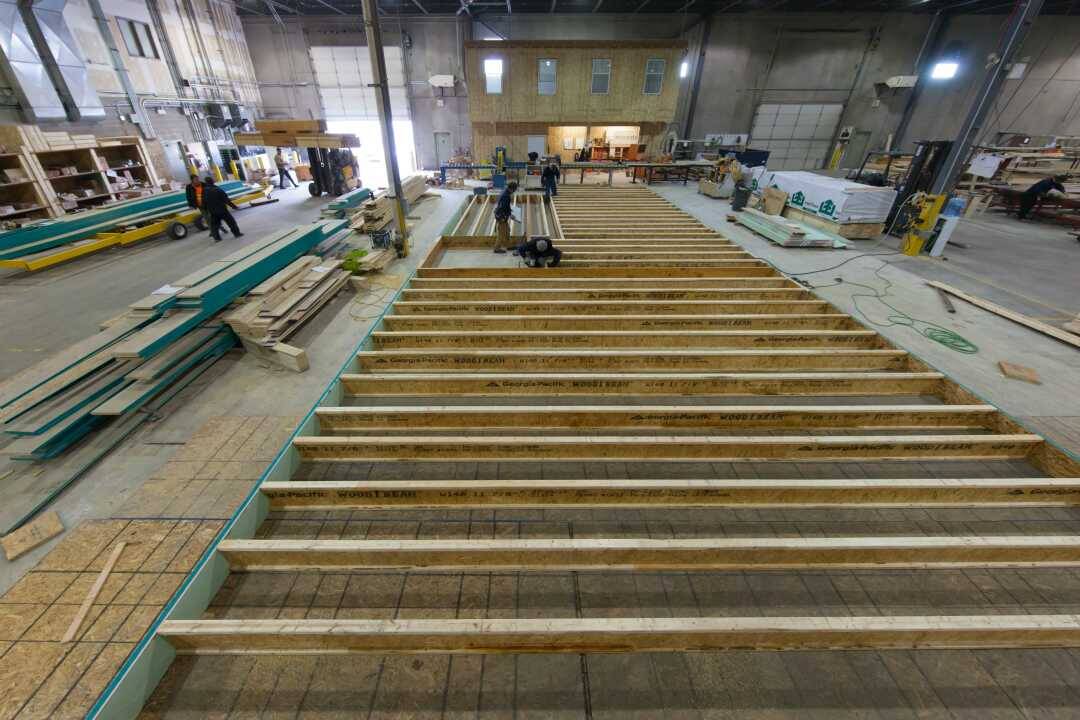
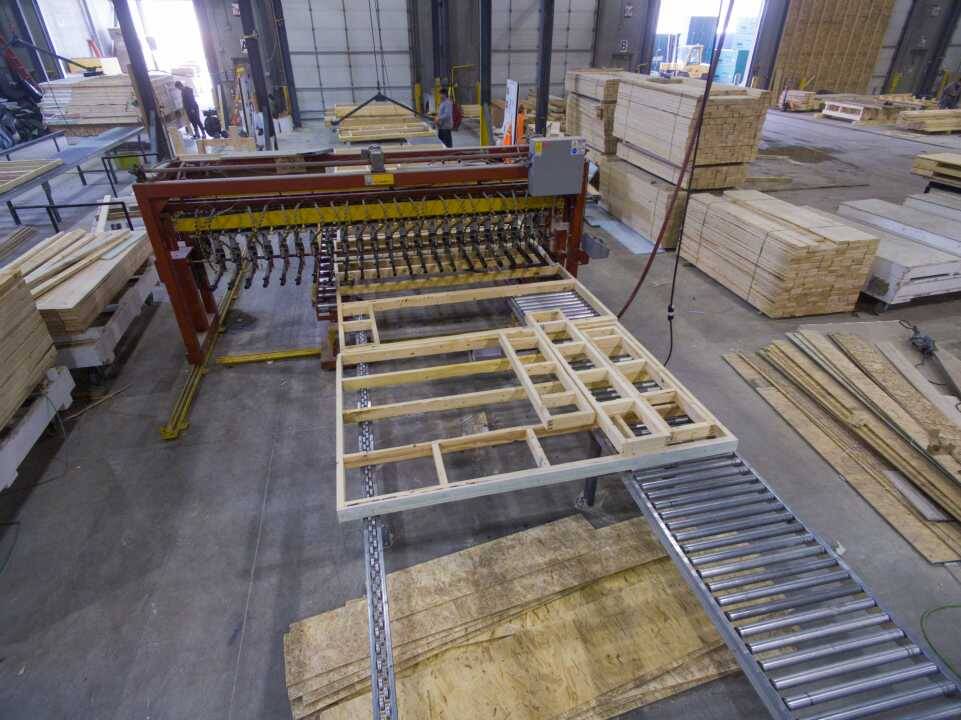
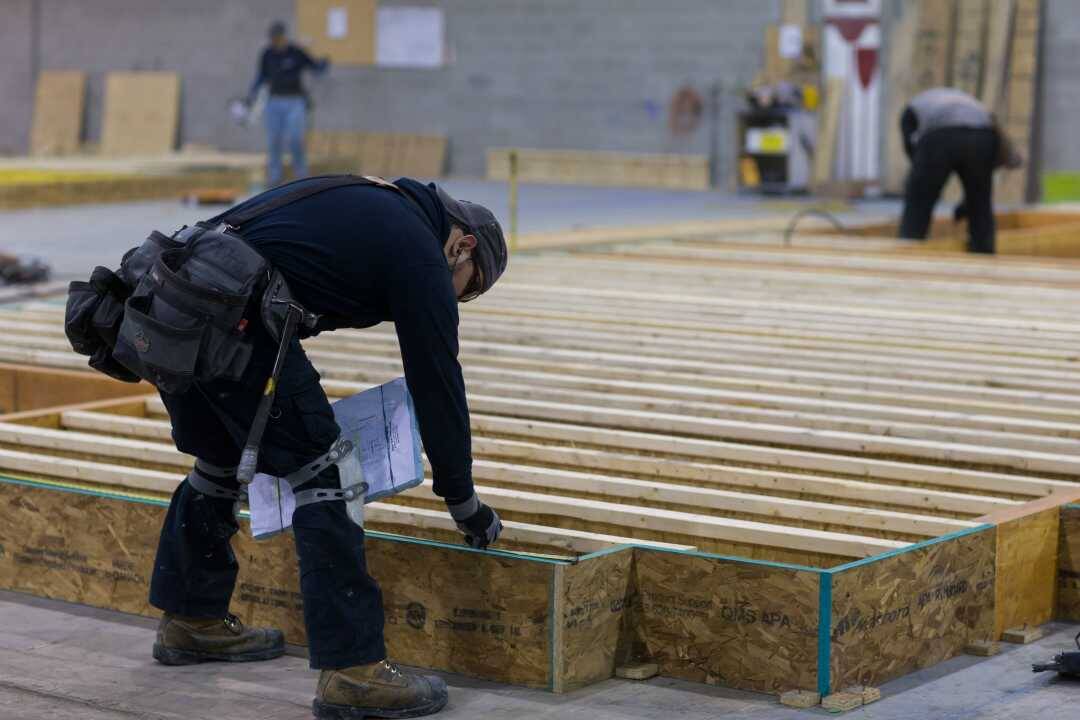
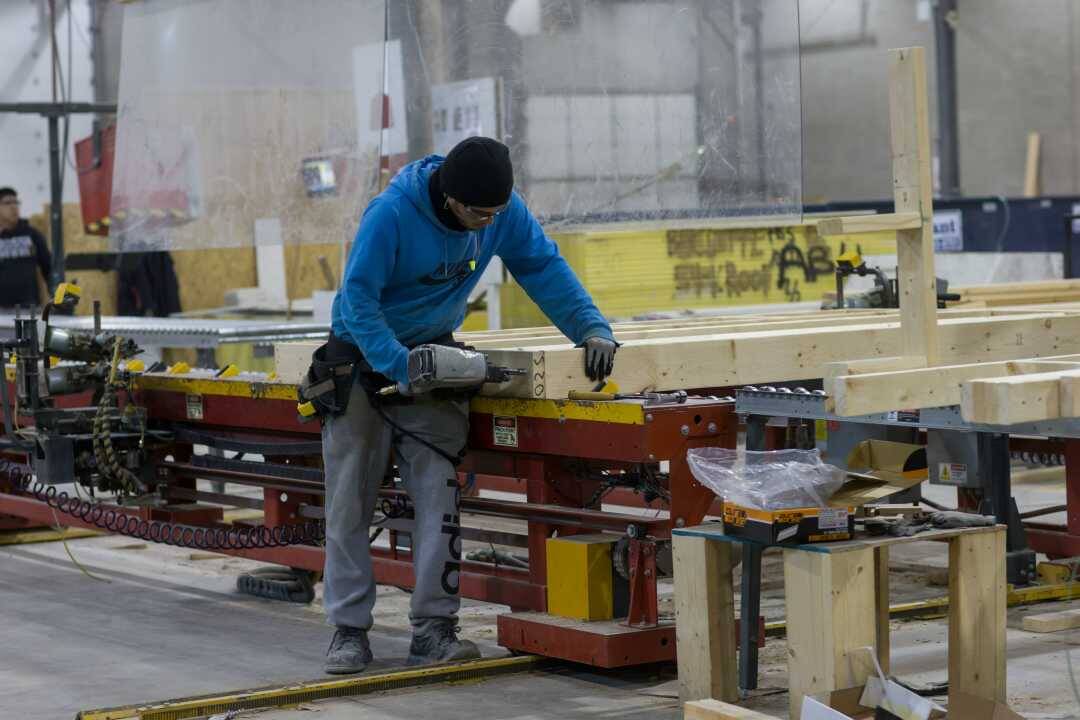
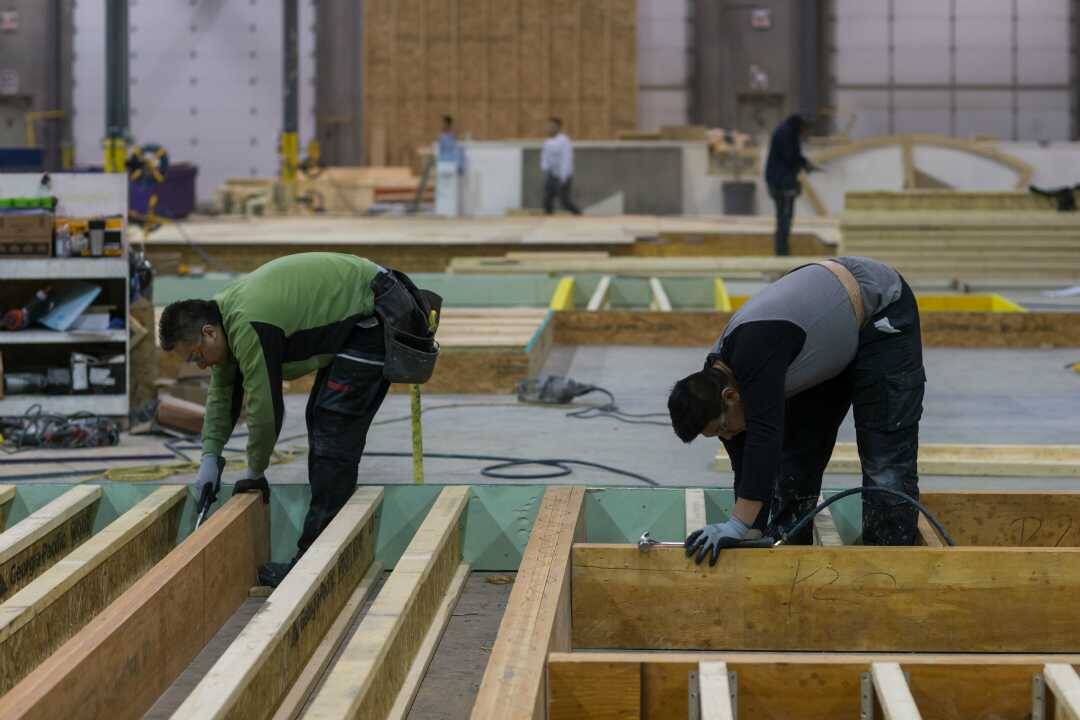
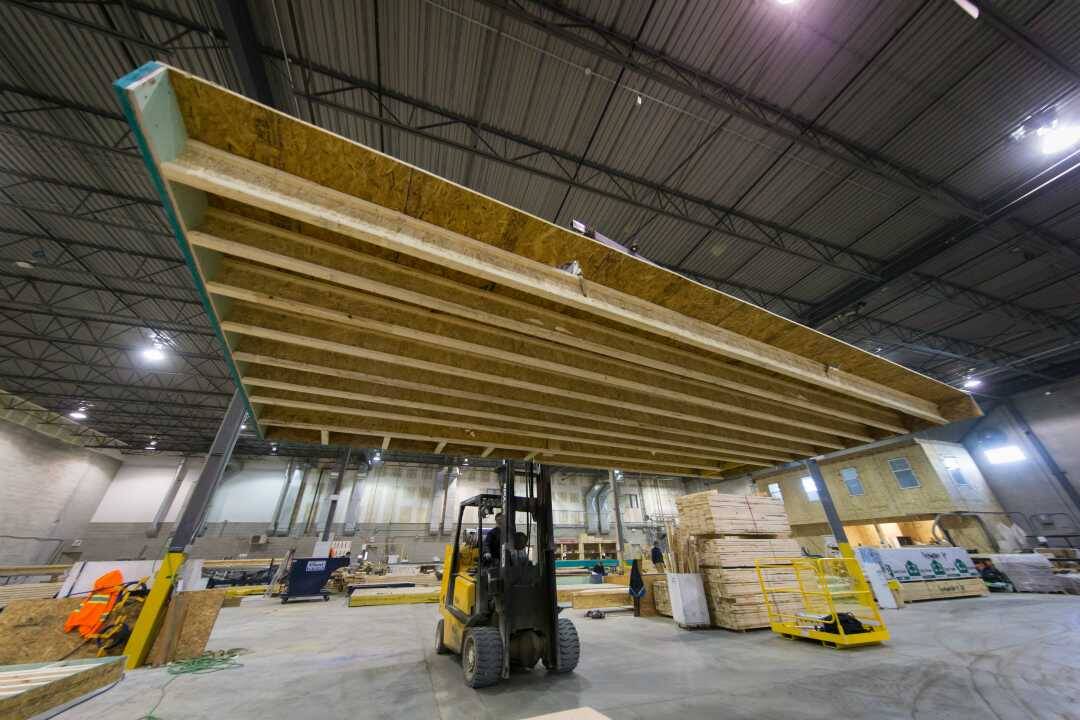
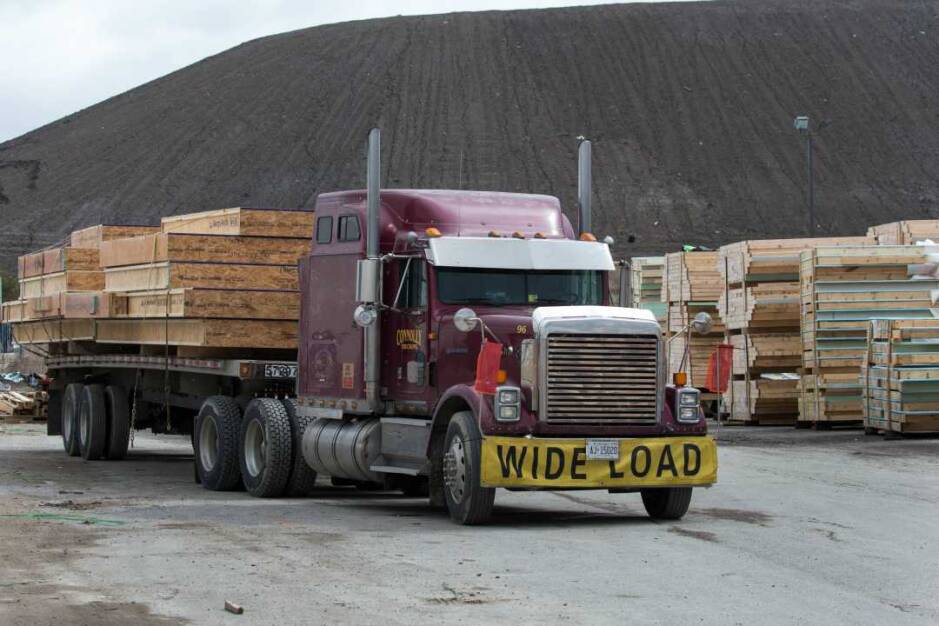
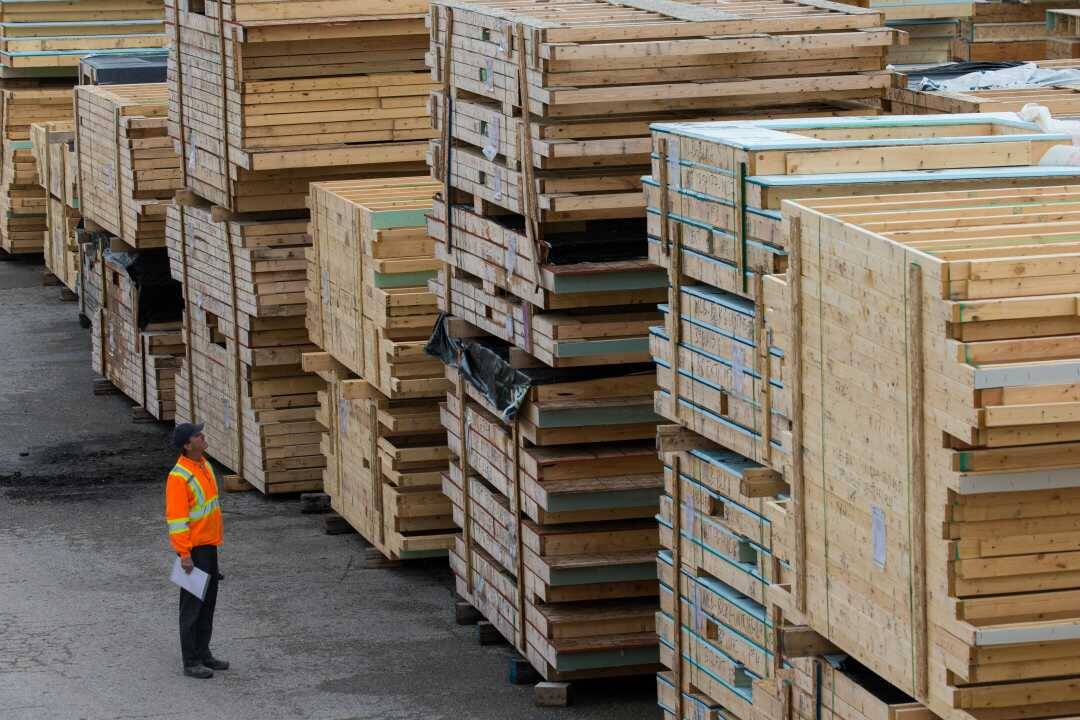
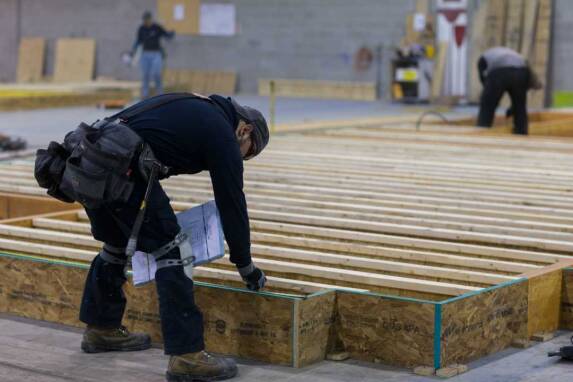
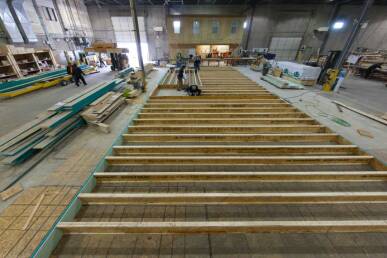
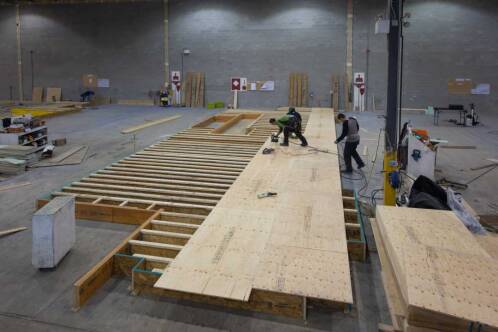
Photos: Panelized Building Solutions Inc.
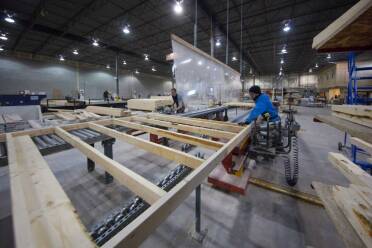
Photo: PrimeFab
By Hailey Quiquero, MASc, P.Eng.
Building Homes with Canadian Wood:
Turning Housing Ambition into Delivery

1. Create predictable demand and procurement for modern construction.
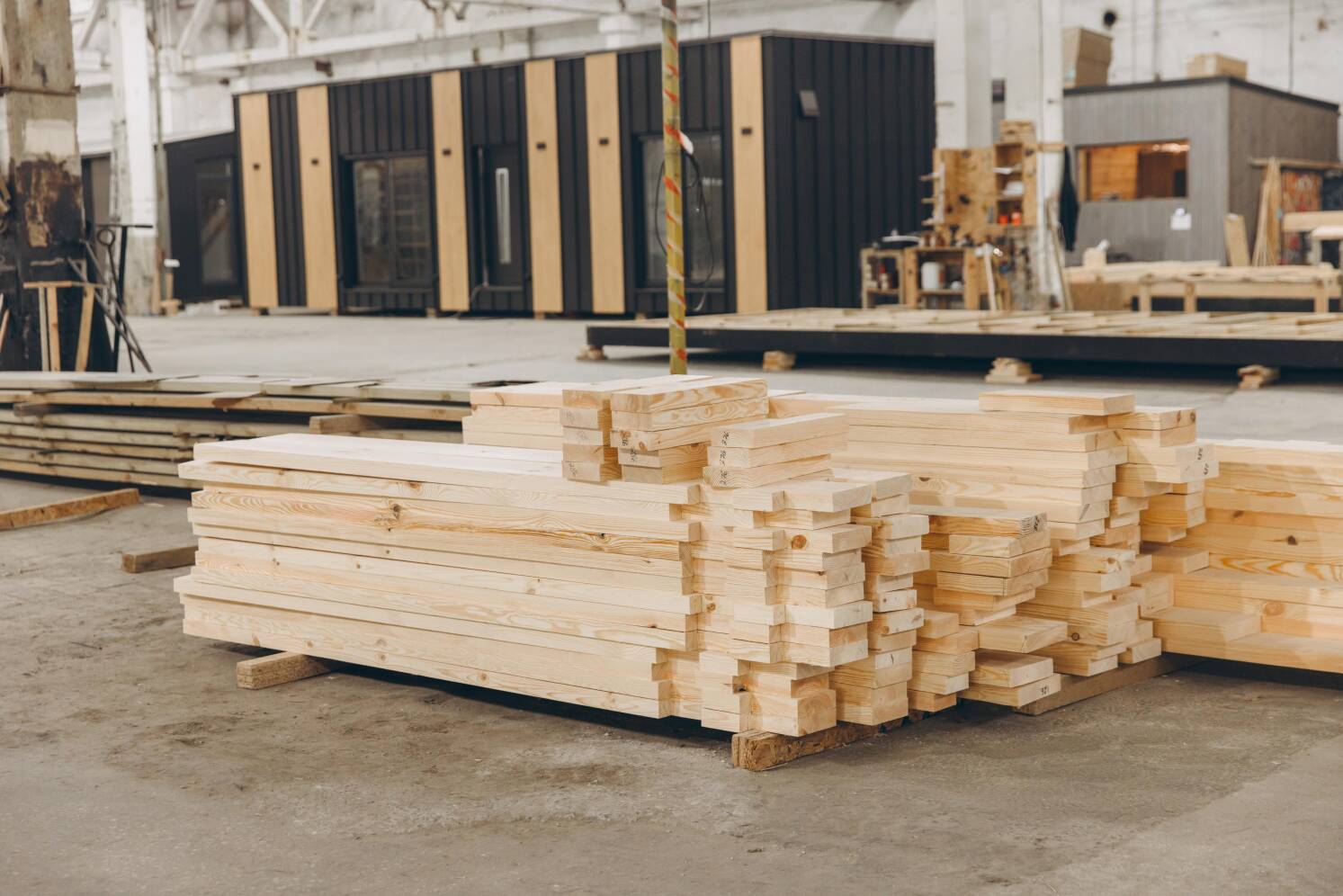
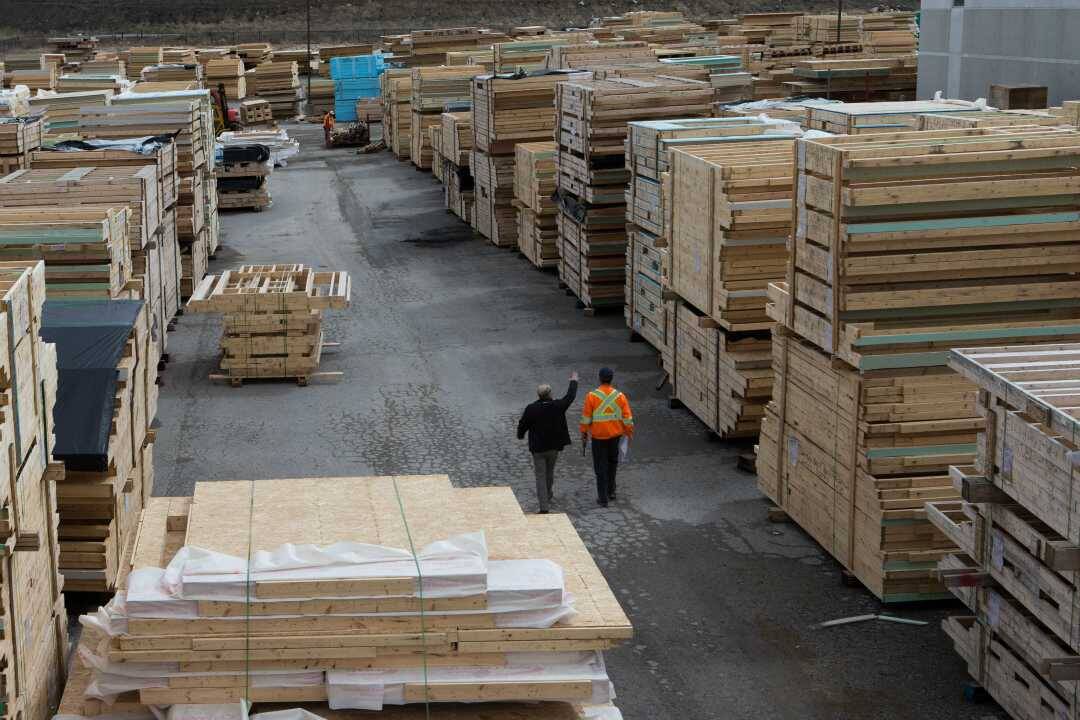
Canadian manufacturers can produce mass timber, panelized systems, and other factory-built components at scale. However, to optimize efficiency, factories need a stable pipeline of projects that allows them to plan production, invest in capacity, lower unit costs, and retain skilled workers.
Government should plan and buy for repeatability and performance, rather than require modern construction systems to fit procurement models designed for one-off, site-based projects. Federal programs including Build Canada Homes and Defence Construction Canada can immediately start aggregating demand across portfolios, committing to longer-term project pipelines, and using collaborative procurement that brings manufacturers into design decisions early.
2. Make financing work for factory-built housing.
Typically, traditional construction financing doesn’t release funds until materials arrive on site. For modern methods of construction where building components are made off-site, major costs are incurred earlier in the construction cycle. Sizable deposits are required to commence production because manufacturers must incur considerable up-front expenses to purchase the wood and other inputs needed to begin fabrication and bankroll offsite labour, but these deposits fall outside established financing milestones. Housing can be built much more quickly, safely, and affordably in a factory, which presents a compelling solution to our housing shortage. This financing mismatch puts unnecessary pressure on working capital and can prevent otherwise viable projects from proceeding.
A modest investment at the front end can prevent costly redesign, improve project certainty and make Canadian wood systems more competitive. Build Canada Homes and the Canadian Mortgage and Housing Corporation (CMHC) can help close the gap through financing milestones that recognize verified factory production, bridge-financing tools, loan guarantees, and early-stage funding for design validation.
3. Harmonize codes and give municipalities practical approval tools.
Canada’s national model building codes have greatly expanded opportunities to use mass timber and other modern methods of construction; however, adoption and interpretation still vary widely by province and municipality. At the point when crews, production windows and financing are already committed, project teams can still be facing months of uncertainty because of arduous codes, approvals and permitting processes. That unpredictability adds cost and works directly against affordability.
Municipalities need clear rules and ready-to-use tools, not another pilot they must design themselves. The federal government can help by supporting faster, more consistent code adoption and developing shared resources: common permit checklists, centralized interpretation resources, and a model fast-track pathway for off-site construction projects. It can also expand pathways for innovative product approvals, and fund technical education for designers, builders, and building officials.
4. Turn successful pilots into repeatable housing systems.
The strongest results in this country come when projects are designed for manufacturing and assembly from the outset. Repeatable structural grids, standardized components and connections, and early coordination among designers, manufacturers, contractors, and governing approval bodies can create efficiencies that shorten design and construction timelines. The webinar offered a few examples of construction speed, including a 41-unit mass timber apartment building assembled in 18 days in Kitchener, Ontario, and a 28-unit, 4-storey affordable modular apartment in Charlottetown, PEI installed in just one week.
The goal is to stop reinventing the primary building systems for every project, while still having individuality in design. When that happens, we can build rapidly without compromising safety or quality. Canada can support repeatable housing systems by building on the existing federal housing catalogue with pre-approved, shovel-ready designs that use light-frame wood and mass timber systems for apartments, missing-middle housing, and other repeatable building types. Those designs should be paired with digital approval tools, coordinated delivery partners, and portfolio-based procurement.
5. Build the workforce into the housing plan from day one.
Canada must double its housing output, but we cannot build at that scale without the workforce to match. Government policies and strategies too often treat the workforce as a downstream consideration, an afterthought to housing targets, funding programs, and construction timelines that have already been set. During the webinar, panelists underscored the scale of the mismatch: meeting our housing targets would require roughly 500,000 additional workers in the coming years. The workforce challenge is compounded by ongoing retirements, low apprenticeship completion rates, and an absence of clear training pathways linking traditional site-built construction and factory-based methods.
Canada’s workforce shortage is as significant as the housing gap itself, so workforce development must be considered alongside housing priorities and enabling policies from the beginning. Every major federal housing investment must include a workforce development plan from the outset, supported by employer-led training, modernized apprenticeships, micro-credentials for learning new construction methods, and skills-based pathways that allow workers to move between site-built and factory-built roles. Recruitment must also reach newcomers, Indigenous people, women, and other underrepresented talent, with practical supports that turn interest into training, completion, and lasting careers.
Canada already has the timber resources, manufacturing capacity, and technical expertise needed to support the housing demand. The real barrier is coordination across jurisdictions and multiple levels of government. We need to align codes, approvals, financing, procurement, and workforce development pipelines so proven solutions can be scaled up. While meeting the housing challenge will require collaboration on multiple fronts, the experts on this webinar highlighted five practical areas where the federal government can take the lead to drive this coordinated effort forward.
Shifting from ambition to delivery
Canada does not need to wait for a new material, a new technology, or the proverbial silver bullet to solve the housing shortage. We can course correct today by aligning the systems that move proven Canadian wood solutions from the factory floor to finished homes. That means using:
federal purchasing power to create stable, predictable demand;
modernizing financing for off-site production;
advancing harmonized codes, standards, and approval pathways;
scaling standardized, wood designs; and
embedding workforce development in every major housing initiative.
Putting Canadian wood at the centre of housing delivery is a practical way to build faster and with lower embodied carbon. It also supports Canadian workers and businesses, strengthens domestic supply chains, and creates sustainable demand for a truly Canadian renewable resource and domestic value chain.
The solutions are available and ready to scale. The real work now is execution—and Canada can begin today.
Canada’s housing debate has moved beyond setting ambitious targets. The test now is delivery: we need to build more homes, faster and more affordably, while strengthening Canadian manufacturing, jobs and supply chains.
Forest Products Association of Canada (FPAC), in partnership with the Canadian Wood Council (CWC) and WoodWorks, recently brought together leaders in wood manufacturing, building codes and approvals, workforce development, and modern methods of construction to focus on what can be done to meet the urgent national need for more homes. One point came through clearly in the panel discussion: if we fail to meet Canada’s housing needs, it will not be due to a lack of construction solutions.
FEATURE
Real Action Leaders Can Take Today to Build Canadian Homes with Canadian Wood
About the Author
Hailey Quiquero, Senior Manager, WoodWorks Ontario, is a structural engineer specializing in sustainable architecture and the advancement of timber building systems. Her career has spanned research in mass timber & fire safety, structural design consulting, and executing prefabricated timber housing projects. In her current role as Senior Manager for the Canadian Wood Council’s WoodWorks program, Hailey works with the team to aid project teams with technical support and to bring resources and education to industry stakeholders, advancing the successful use of a natural and sustainable building material in our built environment.

Photos: Panelized Building Solutions Inc.
Photo: PrimeFab
By Hailey Quiquero, MASc, P.Eng.
Building Homes with Canadian Wood:
Turning Housing Ambition into Delivery
Shifting from ambition to delivery
Canada does not need to wait for a new material, a new technology, or the proverbial silver bullet to solve the housing shortage. We can course correct today by aligning the systems that move proven Canadian wood solutions from the factory floor to finished homes. That means using:
federal purchasing power to create stable, predictable demand;
modernizing financing for off-site production;
advancing harmonized codes, standards, and approval pathways;
scaling standardized, wood designs; and
embedding workforce development in every major housing initiative.
Putting Canadian wood at the centre of housing delivery is a practical way to build faster and with lower embodied carbon. It also supports Canadian workers and businesses, strengthens domestic supply chains, and creates sustainable demand for a truly Canadian renewable resource and domestic value chain.
The solutions are available and ready to scale. The real work now is execution—and Canada can begin today.

1. Create predictable demand and procurement for modern construction.
Canadian manufacturers can produce mass timber, panelized systems, and other factory-built components at scale. However, to optimize efficiency, factories need a stable pipeline of projects that allows them to plan production, invest in capacity, lower unit costs, and retain skilled workers.
Government should plan and buy for repeatability and performance, rather than require modern construction systems to fit procurement models designed for one-off, site-based projects. Federal programs including Build Canada Homes and Defence Construction Canada can immediately start aggregating demand across portfolios, committing to longer-term project pipelines, and using collaborative procurement that brings manufacturers into design decisions early.
2. Make financing work for factory-built housing.
Typically, traditional construction financing doesn’t release funds until materials arrive on site. For modern methods of construction where building components are made off-site, major costs are incurred earlier in the construction cycle. Sizable deposits are required to commence production because manufacturers must incur considerable up-front expenses to purchase the wood and other inputs needed to begin fabrication and bankroll offsite labour, but these deposits fall outside established financing milestones. Housing can be built much more quickly, safely, and affordably in a factory, which presents a compelling solution to our housing shortage. This financing mismatch puts unnecessary pressure on working capital and can prevent otherwise viable projects from proceeding.
A modest investment at the front end can prevent costly redesign, improve project certainty and make Canadian wood systems more competitive. Build Canada Homes and the Canadian Mortgage and Housing Corporation (CMHC) can help close the gap through financing milestones that recognize verified factory production, bridge-financing tools, loan guarantees, and early-stage funding for design validation.
3. Harmonize codes and give municipalities practical approval tools.
Canada’s national model building codes have greatly expanded opportunities to use mass timber and other modern methods of construction; however, adoption and interpretation still vary widely by province and municipality. At the point when crews, production windows and financing are already committed, project teams can still be facing months of uncertainty because of arduous codes, approvals and permitting processes. That unpredictability adds cost and works directly against affordability.
Municipalities need clear rules and ready-to-use tools, not another pilot they must design themselves. The federal government can help by supporting faster, more consistent code adoption and developing shared resources: common permit checklists, centralized interpretation resources, and a model fast-track pathway for off-site construction projects. It can also expand pathways for innovative product approvals, and fund technical education for designers, builders, and building officials.
4. Turn successful pilots into repeatable housing systems.
The strongest results in this country come when projects are designed for manufacturing and assembly from the outset. Repeatable structural grids, standardized components and connections, and early coordination among designers, manufacturers, contractors, and governing approval bodies can create efficiencies that shorten design and construction timelines. The webinar offered a few examples of construction speed, including a 41-unit mass timber apartment building assembled in 18 days in Kitchener, Ontario, and a 28-unit, 4-storey affordable modular apartment in Charlottetown, PEI installed in just one week.
The goal is to stop reinventing the primary building systems for every project, while still having individuality in design. When that happens, we can build rapidly without compromising safety or quality. Canada can support repeatable housing systems by building on the existing federal housing catalogue with pre-approved, shovel-ready designs that use light-frame wood and mass timber systems for apartments, missing-middle housing, and other repeatable building types. Those designs should be paired with digital approval tools, coordinated delivery partners, and portfolio-based procurement.
5. Build the workforce into the housing plan from day one.
Canada must double its housing output, but we cannot build at that scale without the workforce to match. Government policies and strategies too often treat the workforce as a downstream consideration, an afterthought to housing targets, funding programs, and construction timelines that have already been set. During the webinar, panelists underscored the scale of the mismatch: meeting our housing targets would require roughly 500,000 additional workers in the coming years. The workforce challenge is compounded by ongoing retirements, low apprenticeship completion rates, and an absence of clear training pathways linking traditional site-built construction and factory-based methods.
Canada’s workforce shortage is as significant as the housing gap itself, so workforce development must be considered alongside housing priorities and enabling policies from the beginning. Every major federal housing investment must include a workforce development plan from the outset, supported by employer-led training, modernized apprenticeships, micro-credentials for learning new construction methods, and skills-based pathways that allow workers to move between site-built and factory-built roles. Recruitment must also reach newcomers, Indigenous people, women, and other underrepresented talent, with practical supports that turn interest into training, completion, and lasting careers.
Canada already has the timber resources, manufacturing capacity, and technical expertise needed to support the housing demand. The real barrier is coordination across jurisdictions and multiple levels of government. We need to align codes, approvals, financing, procurement, and workforce development pipelines so proven solutions can be scaled up. While meeting the housing challenge will require collaboration on multiple fronts, the experts on this webinar highlighted five practical areas where the federal government can take the lead to drive this coordinated effort forward.