Enduring Design
Modern snowshoes have introduced new materials, bindings, and traction systems that expand accessibility and performance. Yet the beauty and effectiveness of traditional wooden snowshoes endure. Their forms, shaped by place, purpose, and experience, remain a testament to Indigenous ingenuity and show that good design, grounded in a deep understanding of material and landscape, never goes out of style.
Traditional Snowshoe Forms
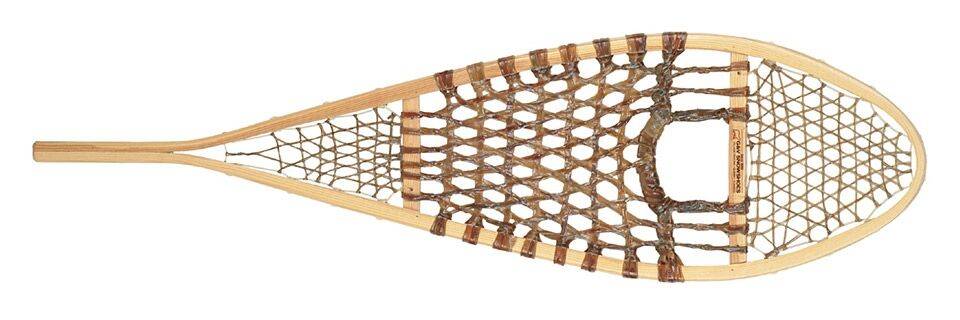
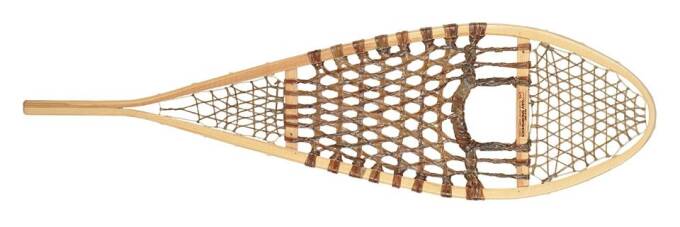
Huron - One of the most recognizable snowshoe forms, the Huron design offers excellent flotation and easy maneuverability in open terrain. Favoured historically by hunters, trappers, and early French settlers, its tapered tail supports straight, efficient travel in soft snow.
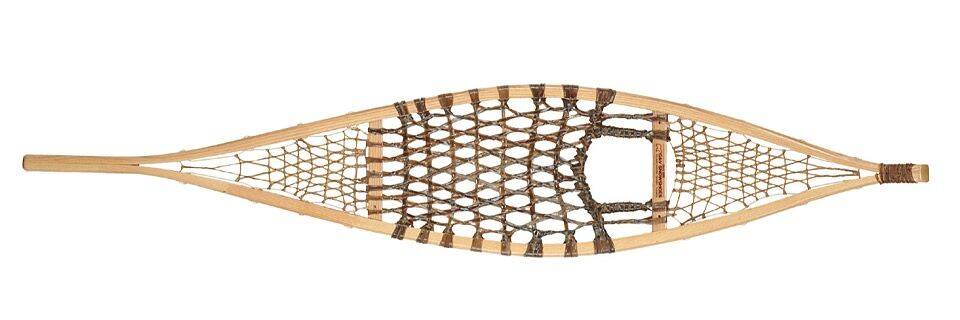
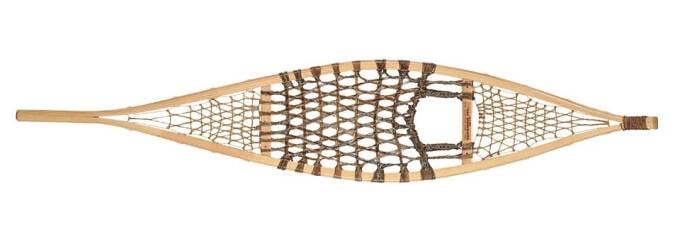
Ojibwe - Among the oldest wooden snowshoe designs, the Ojibwe is known for its graceful proportions and strong gliding ability. Its narrow, upturned nose and long tail perform well in deep snow and on firm descents, making it a stable, long-distance snowshoe with striking visual appeal.
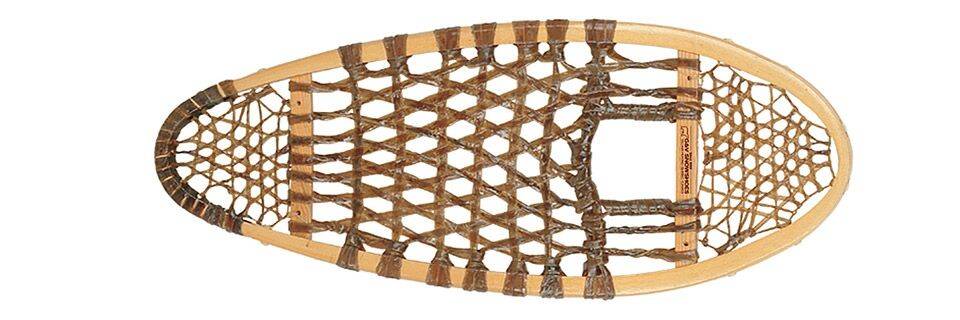
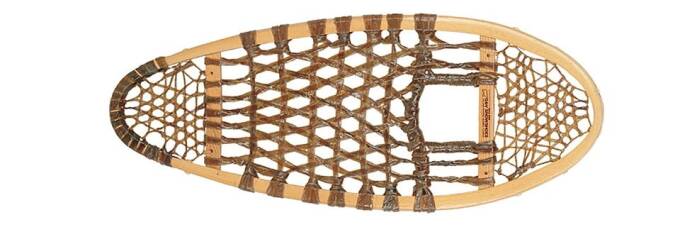
Bear Paw - Compact and wide, the Bear Paw was developed for dense forests where agility and silence are essential. Originating in eastern Canada and the Far North, it offers excellent flotation in deep snow and is ideal for tight, wooded terrain.
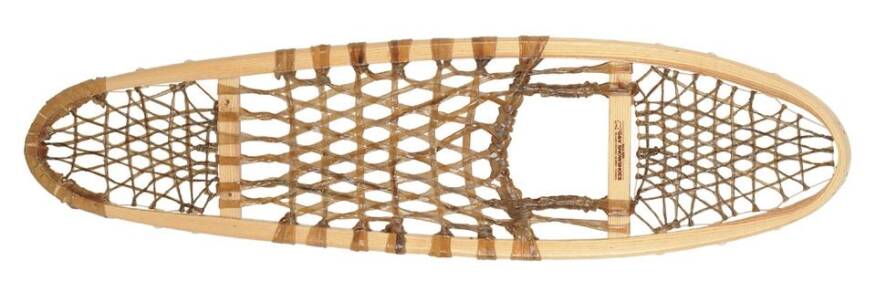
Modified Bear Paw - A longer variation of the Bear Paw, this design retains its quiet maneuverability while improving performance in more open areas, offering greater versatility without sacrificing control.
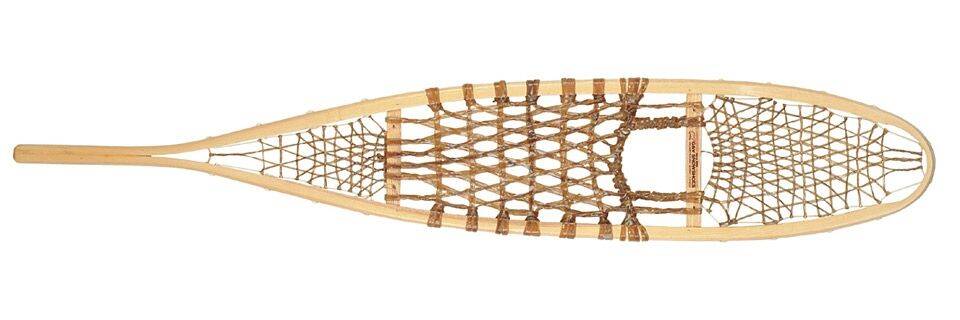
Alaskan (Yukon) - Long and streamlined, the Alaskan snowshoe blends features of the Huron and Bear Paw designs. Developed in western Canada and the northern United States, it excels in open forests and plains, offering stability, quiet travel, and efficient tracking over long distances.

Enduring Design
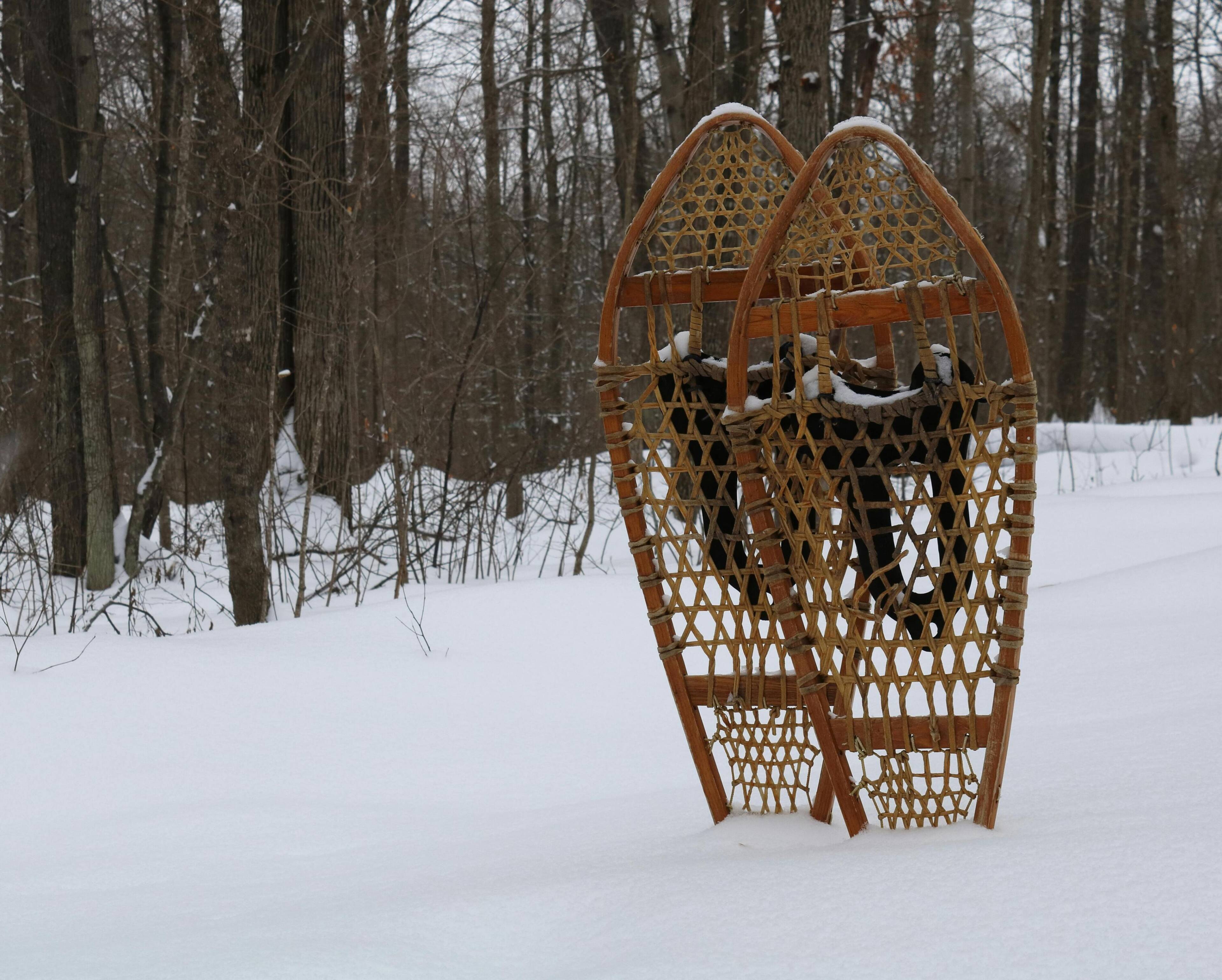
Modern snowshoes have introduced new materials, bindings, and traction systems that expand accessibility and performance. Yet the beauty and effectiveness of traditional wooden snowshoes endure. Their forms, shaped by place, purpose, and experience, remain a testament to Indigenous ingenuity and show that good design, grounded in a deep understanding of material and landscape, never goes out of style.
Traditional Snowshoe Forms
Huron - One of the most recognizable snowshoe forms, the Huron design offers excellent flotation and easy maneuverability in open terrain. Favoured historically by hunters, trappers, and early French settlers, its tapered tail supports straight, efficient travel in soft snow.
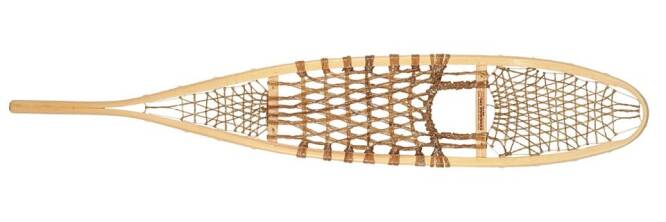
Ojibwe - Among the oldest wooden snowshoe designs, the Ojibwe is known for its graceful proportions and strong gliding ability. Its narrow, upturned nose and long tail perform well in deep snow and on firm descents, making it a stable, long-distance snowshoe with striking visual appeal.
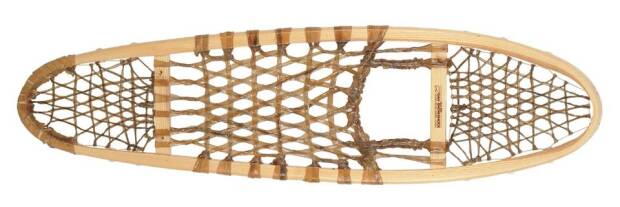
Bear Paw - Compact and wide, the Bear Paw was developed for dense forests where agility and silence are essential. Originating in eastern Canada and the Far North, it offers excellent flotation in deep snow and is ideal for tight, wooded terrain.
Modified Bear Paw - A longer variation of the Bear Paw, this design retains its quiet maneuverability while improving performance in more open areas, offering greater versatility without sacrificing control.
Alaskan (Yukon) - Long and streamlined, the Alaskan snowshoe blends features of the Huron and Bear Paw designs. Developed in western Canada and the northern United States, it excels in open forests and plains, offering stability, quiet travel, and efficient tracking over long distances.