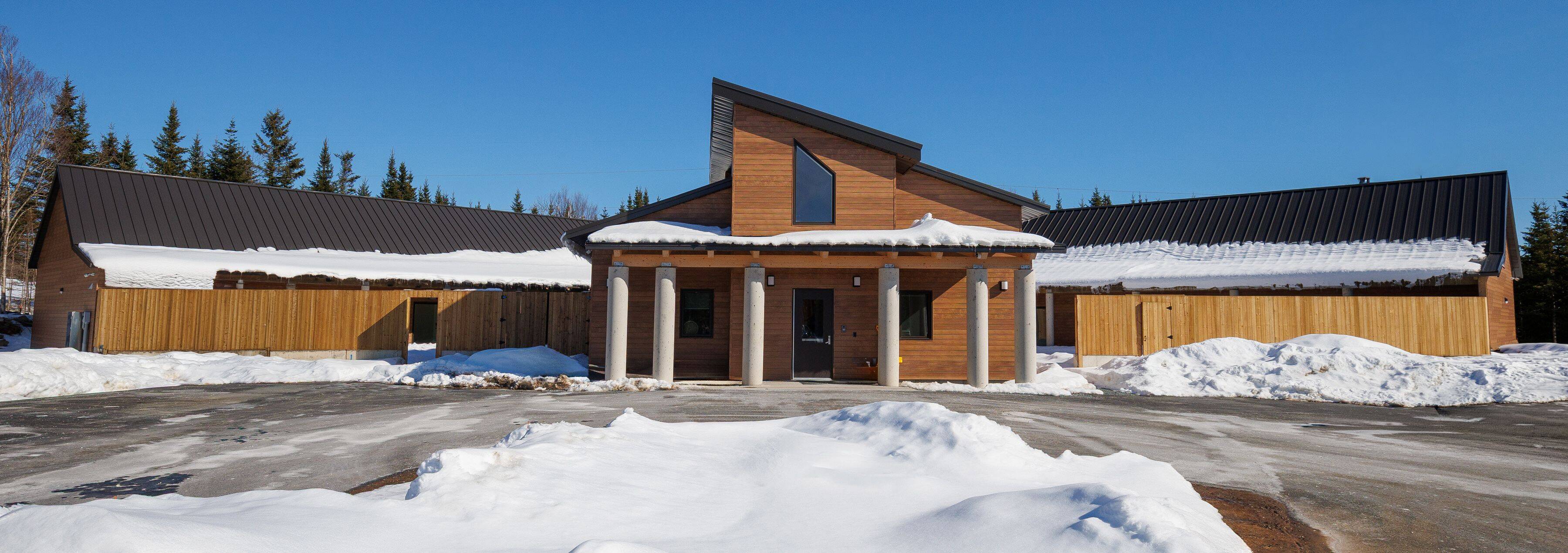
From the beginning, the owners and designers of the Weliankweyasimk Women’s Shelter knew wood would play a primary role in the building’s design. As a home, even a temporary one, it was natural to reach for traditional materials that have been used to build homes for centuries.
Wood has stood the test of time in constructability, durability, and cost-effectiveness. It has proven highly adaptable to new methods of construction, including high-performance building envelopes. It also integrates easily with modern materials in both concealed and expressed applications. It’s renewability and sustainability remain defining strengths. Coupling these considerations with Indigenous ties to nature made wood the obvious starting point.
Jost+ Architects was approached to design a safe refuge of cultural healing for a local Indigenous community, grounded in grounded in the community’s values, practices, and specific needs. Two of the projects principal requirements were for the safety and comfort of the residents.
FEATURE
Weliankweyasimk Women’s Shelter: Culturally Responsive Timber Design Delivers Safety and Sanctuary
Scroll to Read

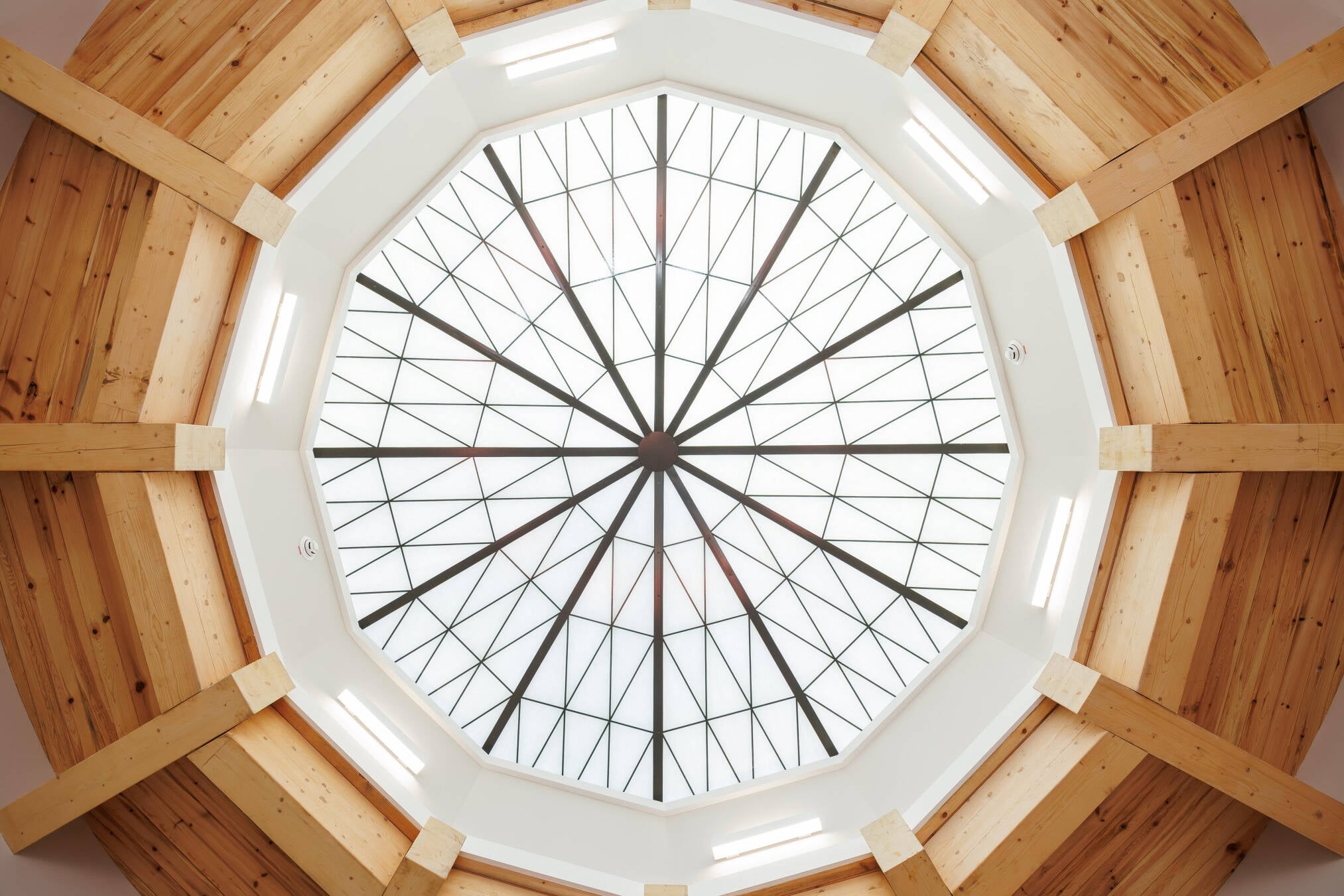
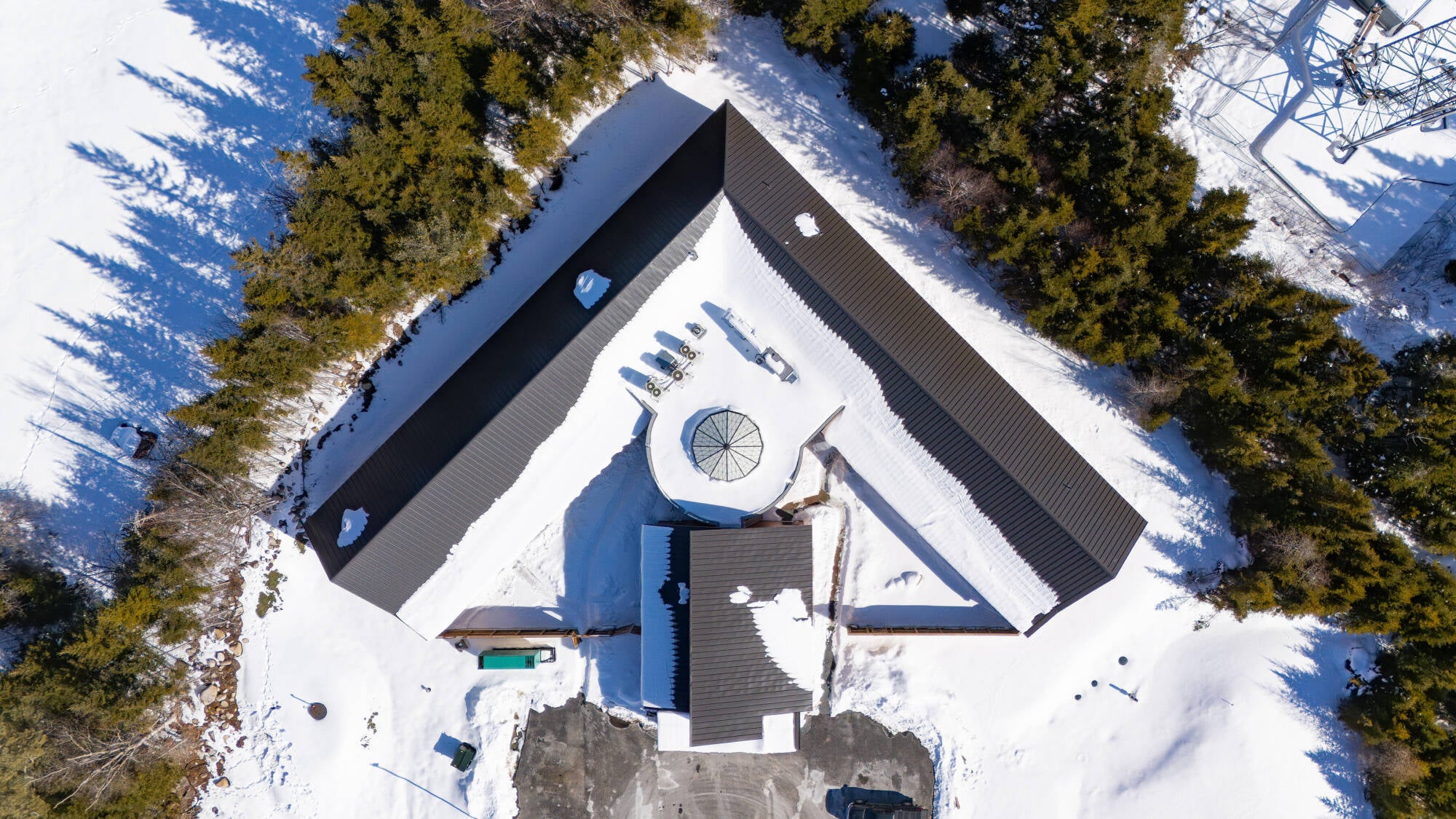
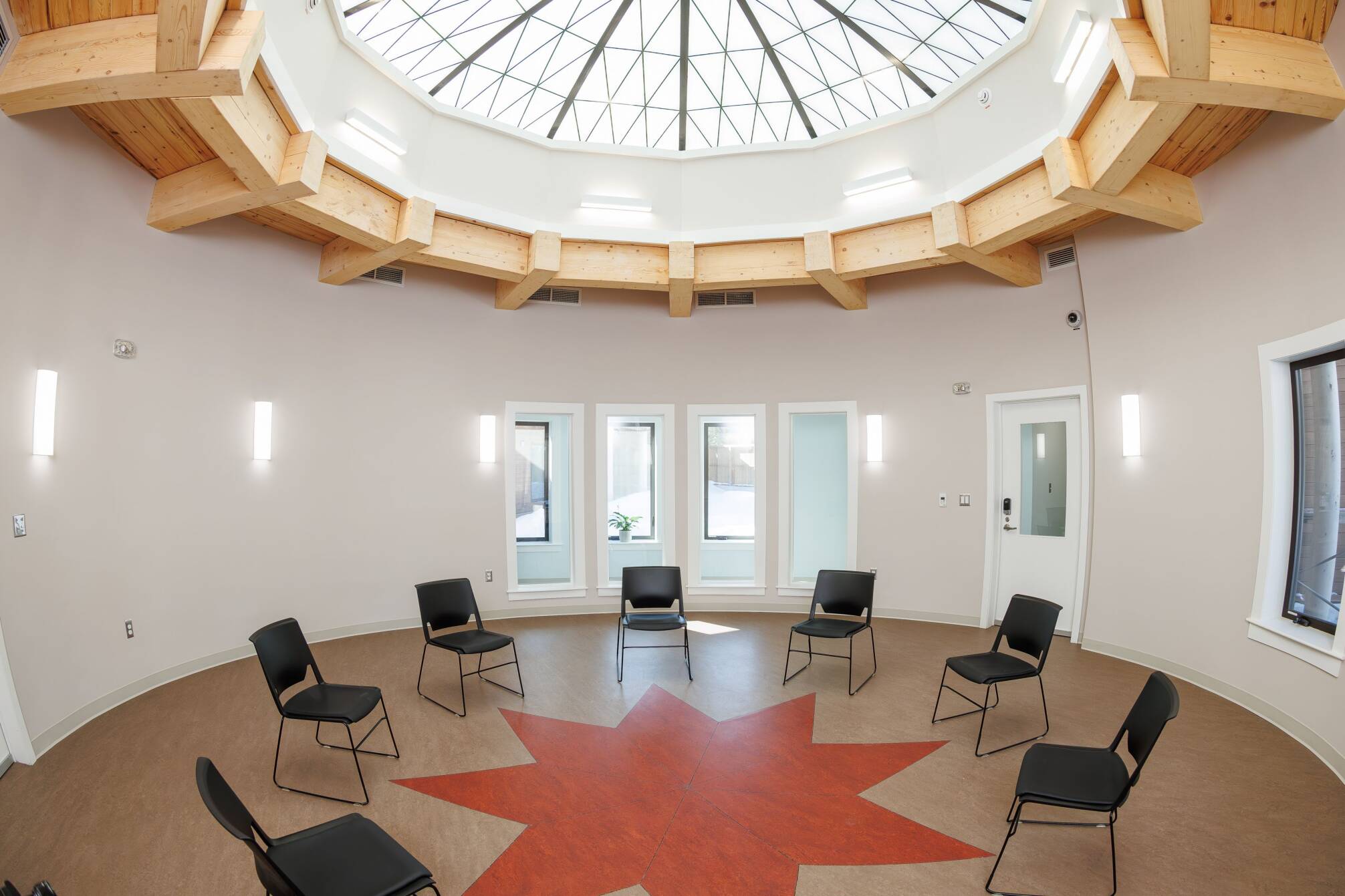
The heart of the building is the Cultural Healing Room, where glulam timber beams feature heavily in the design. The circular room is informed by Indigenous cultural symbolism and carries deep significance. Given its importance to the healing process, the Owner guided the design. The Cultural Healing Room is associated with connection to the Creator and the natural world, the cycles of life, the four cardinal directions, and the seasons. To reflect this, the room is circular in shape and features a translucent, skylight at its centre, providing connection to the sky above. The skylight hovers over another important cultural symbol embedded in the floor – the eight-pointed star.
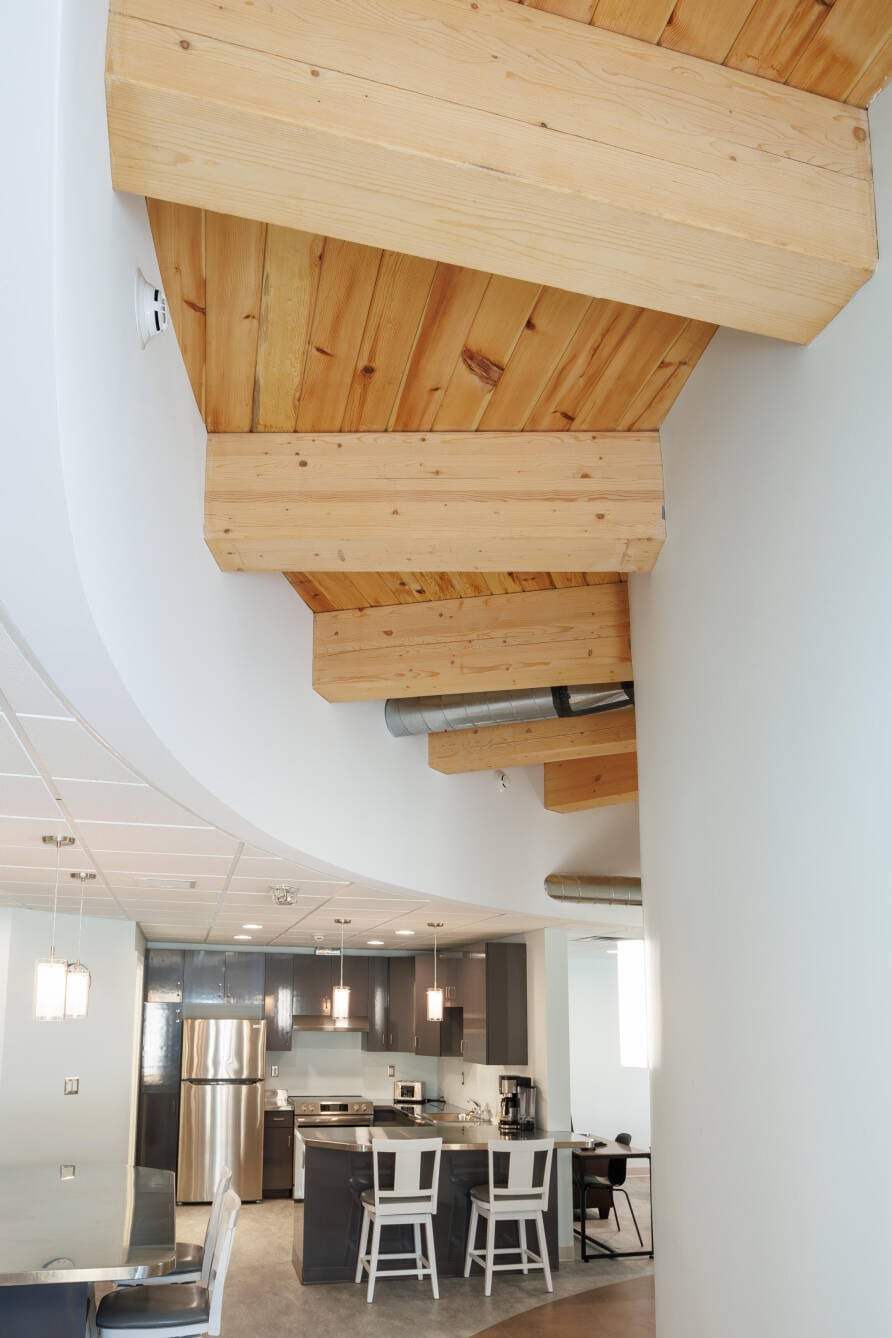
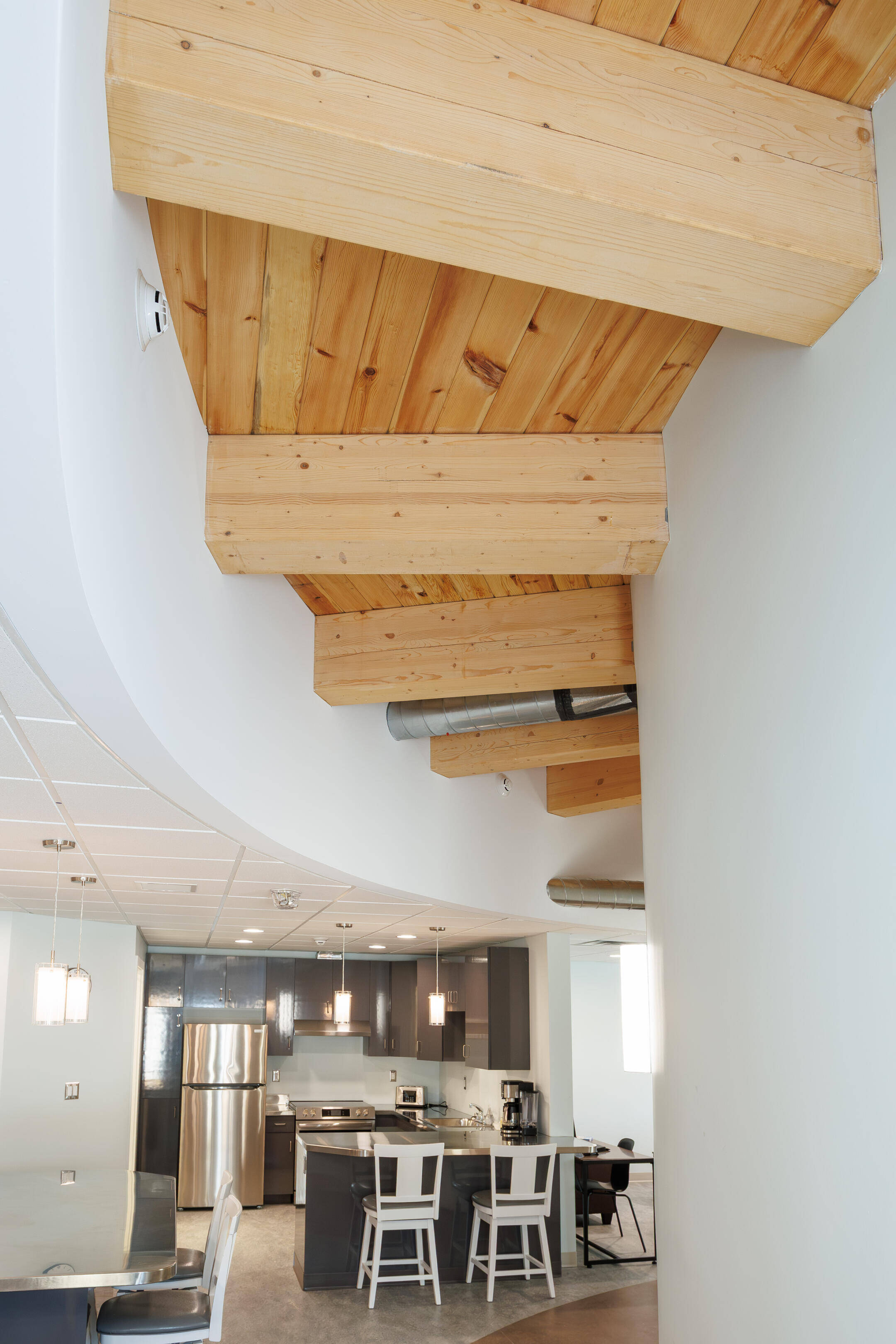
The roof and the structure surrounding the skylight express the wood system that supports it. Glulam beams radiate from a perimeter ring, extending through the walls of the Cultural Healing Room into the surrounding perimeter corridor, and into the living and dining rooms where they bring warmth and continuity. To the east, the beams extend beyond the exterior wall to form a canopy in the adjacent courtyard that echoes the covered patios. As the primary design element, the wood structures of the Weliankweyasimk Women’s Shelter connect the healing space to its surroundings, both physically and symbolically, shaping a culturally responsive place of safety and refuge for all residents.
WOOD IN THE DETAILS
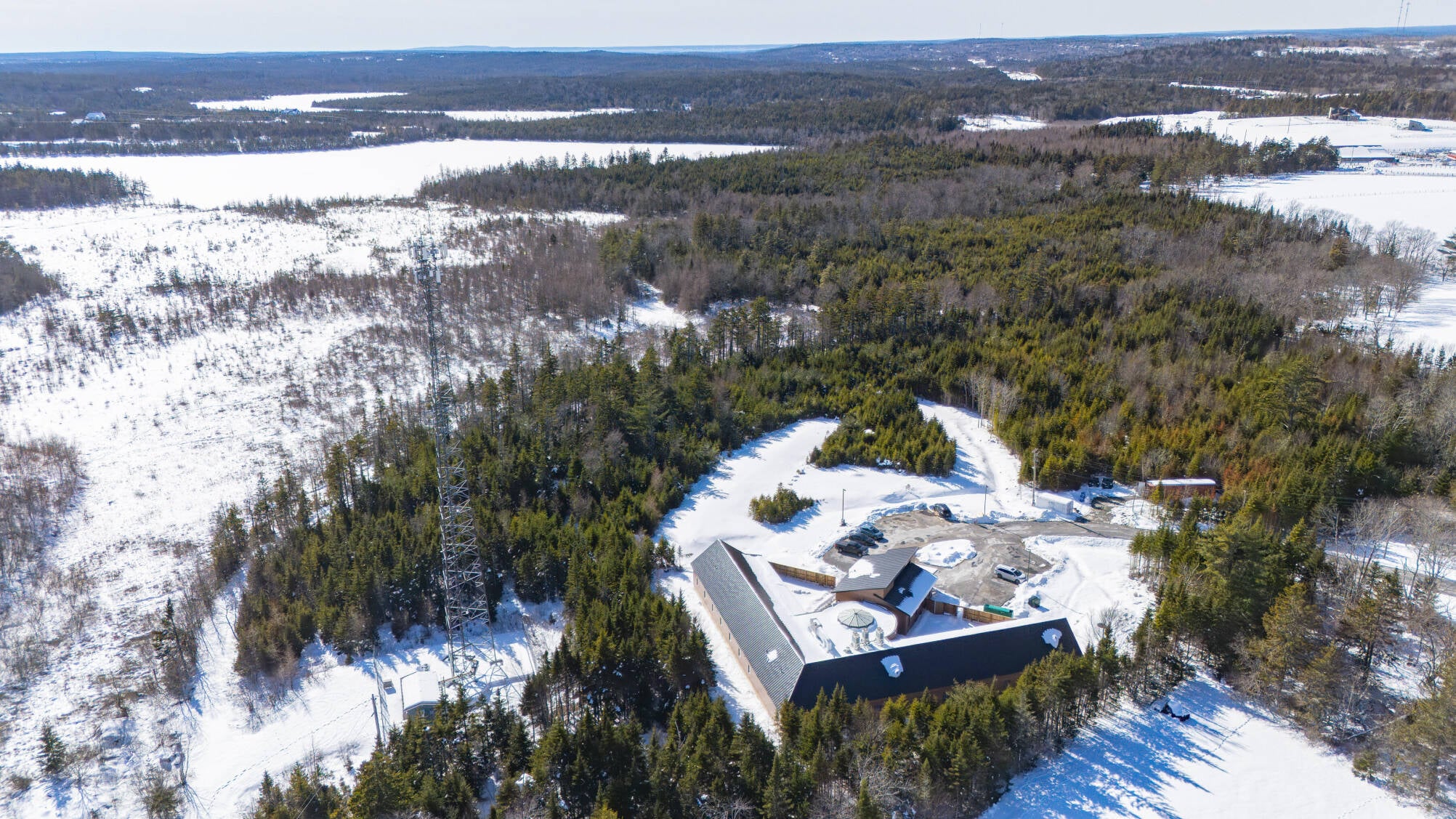
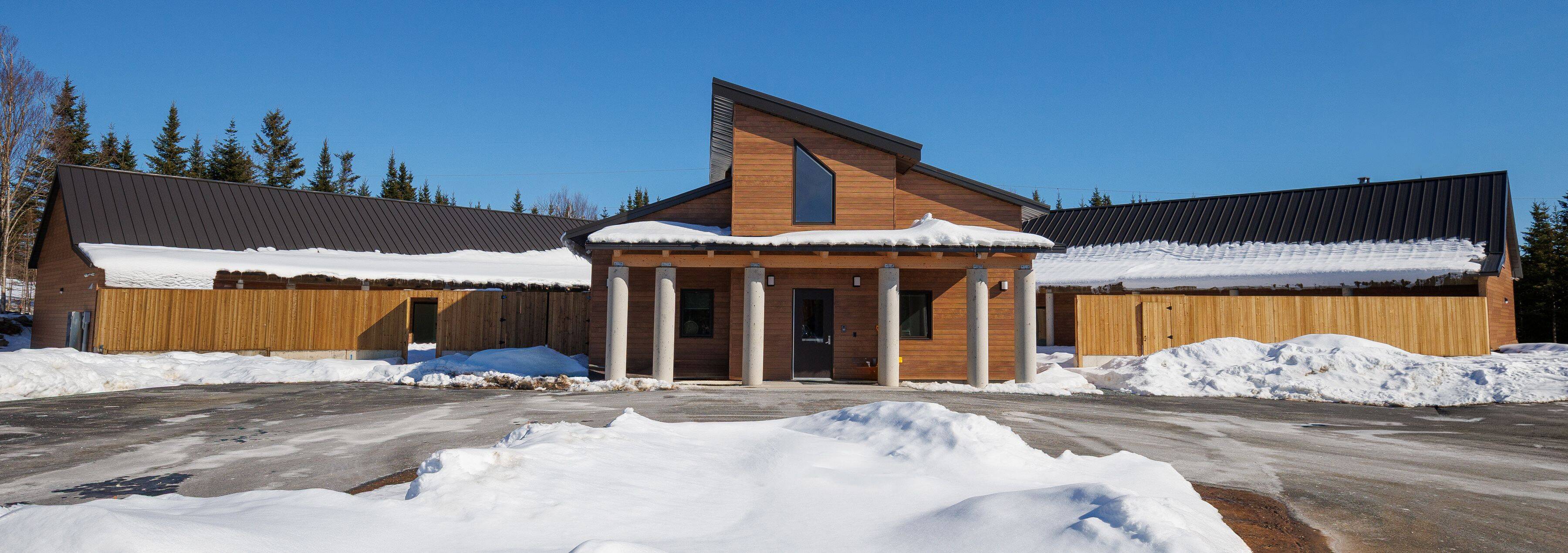
Using wood as the main structural material created opportunities to incorporate this natural material into the details. With the building intentionally situated on an isolated and forested site, it was important to bring the feeling of seclusion and peace that the wooded location provided into the building. The exposed wood decking of the exterior canopies and covered patios in the courtyards and main entrance, emphasize connection with nature. The covered patios, setting amidst the trees, evoke rustic cabin verandah. Under the cover of the exposed wood structure, residents have a safe place to relax, listen to the rain on the metal roof above, and smell the forest around them.
Another consideration for these rooms was to offer a space immediately adjacent to a bedroom where a mother of young children could be close to her sleeping children and still be able to pursue activities without disturbing them.
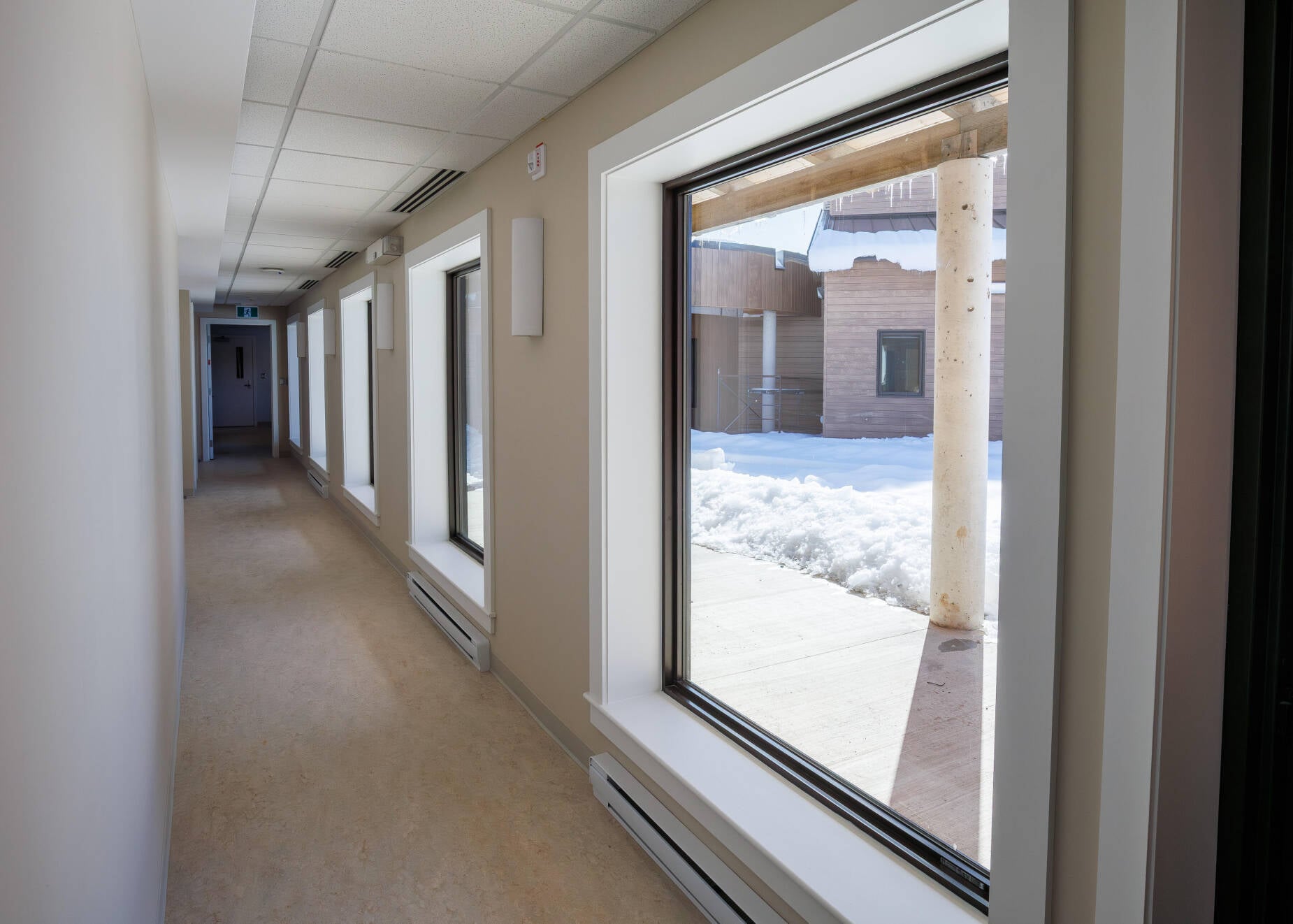
Accessibility is also a major element of safety and comfort at the shelter. Barrier-free accessibility was incorporated to Rick Hansen Foundation Accessibility Certification Standards wherever feasible. All bedroom suites are sized to allow for barrier-free occupancy and served by a shared barrier-free washroom with roll-in shower. Two suites have half-baths sized for wheelchair access. One of the two kitchens and the laundry room are also accessible, with appropriate clearances, appliances, and countertops. Outside, the covered patios enable barrier-free access to the green space in the courtyards.
Above all, the primary focus of the shelter is healing, so the natural focal point of the facility is the Cultural Healing Room. For this aspect of the design, input from the Owner was crucial in ensuring that the Mi’kmaq culture was appropriately reflected in the finishes, the shape, and atmosphere of the room. This included the use of natural material, like wood, to promote a connection to nature.
WOOD IN THE STRUCTURE
Longevity and maintenance considerations also influenced the selection of materials for both the interior and exterior of the building. For key aspects of the structure, wood was integral to achieving both goals. The decision to use wood was centred around local availability and traditional building knowledge, as well as its value as a renewable resource. The exterior walls and interior partitions are of traditional light wood-frame construction while the sloped roof consists of prefabricated wood trusses with a X:12 pitch. In key areas, glulam beams both support and define primary building elements.
The exterior walls form part of a robust, thermally efficient, and airtight building envelope, in keeping with industry efforts to build more sustainably. A double wall system was used, allowing for increased insulation and a high thermal-resistance value. The outer frame consists of 2x6 studs filled with batt insulation and serves as the structural support for the sloped roof. Fastened to the interior face of these studs is a layer of rigid insulation which increases the thermal-resistance value of the assembly. The insulation was taped and sealed at all openings to also act as the vapour barrier layer. On the interior, additional 2x4 stud walls were installed to function as a service wall, allowing electrical and mechanical services to run through the exterior walls without interrupting the vapour barrier plane. With this strategy, the exterior wall maintains a greater degree of air tightness than traditional construction where the continuous polyethylene vapour barrier is commonly interrupted at every outlet and wall-mounted device.
The core of the building contains a flat roof with tongue-and-groove decking supported by glulam beams. The structure here both supports and highlights the raised feature skylight. The wood structure is left exposed within the interior, providing visual warmth to the shared living, dining, and cultural healing spaces. Covered patios similarly feature exposed tongue & groove wood decking, providing both shade and weather protection. This same structural expression is repeated at the front canopy.
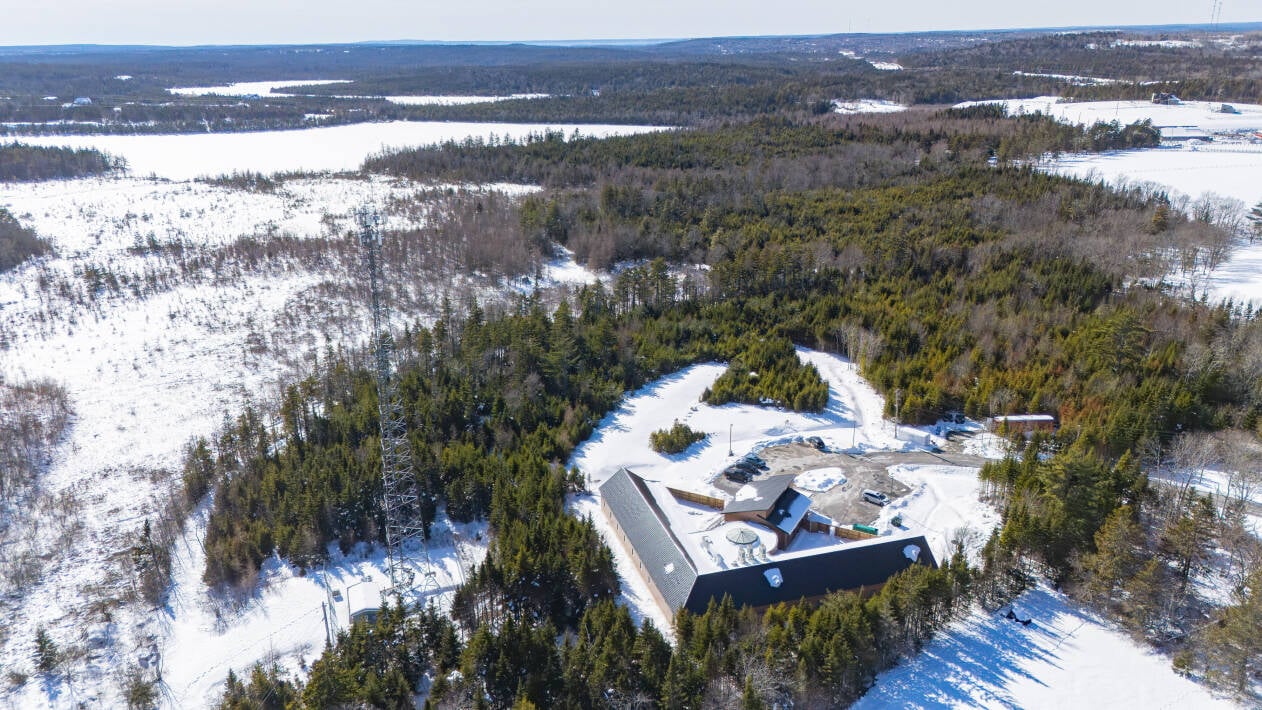
A key to safety is anonymity for those who would use the space. Discretion was accomplished by locating the building at the rear of the wooded site and arranging the rooms for maximum privacy. The project also includes vulnerable spaces, which were organized around enclosed courtyards at the rear of the building. The courtyards were naturally formed by the building’s layout, with fencing added for the enhanced security of the residents. The facility is always secure, with the counseling rooms, children’s playrooms, living, and sleeping areas located beyond a second set of doors accessible only by key card. Additional security was achieved by strategically locating the administration offices around the main entrance with clear views of the parking lot and any visitor’s approach.
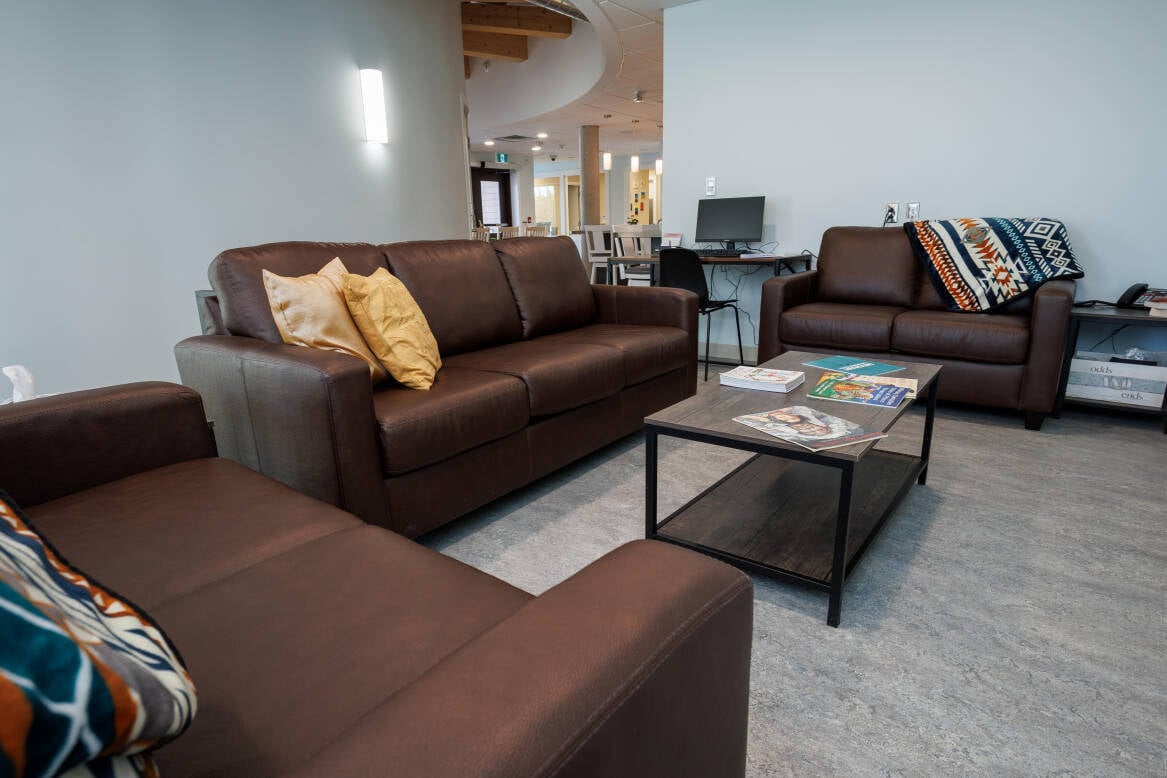
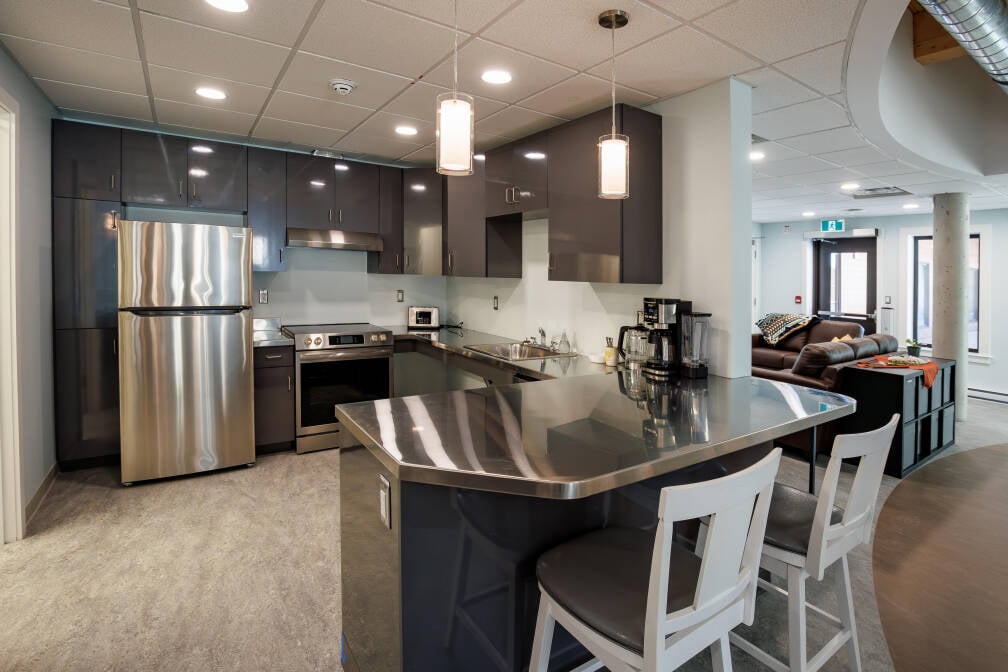
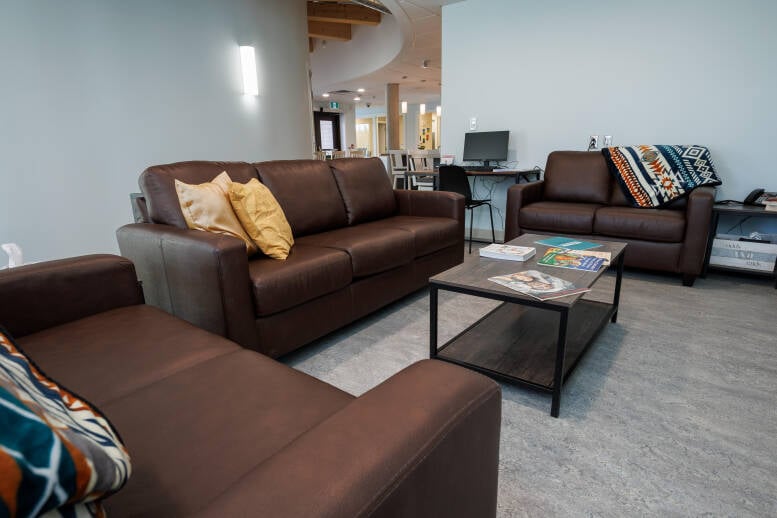
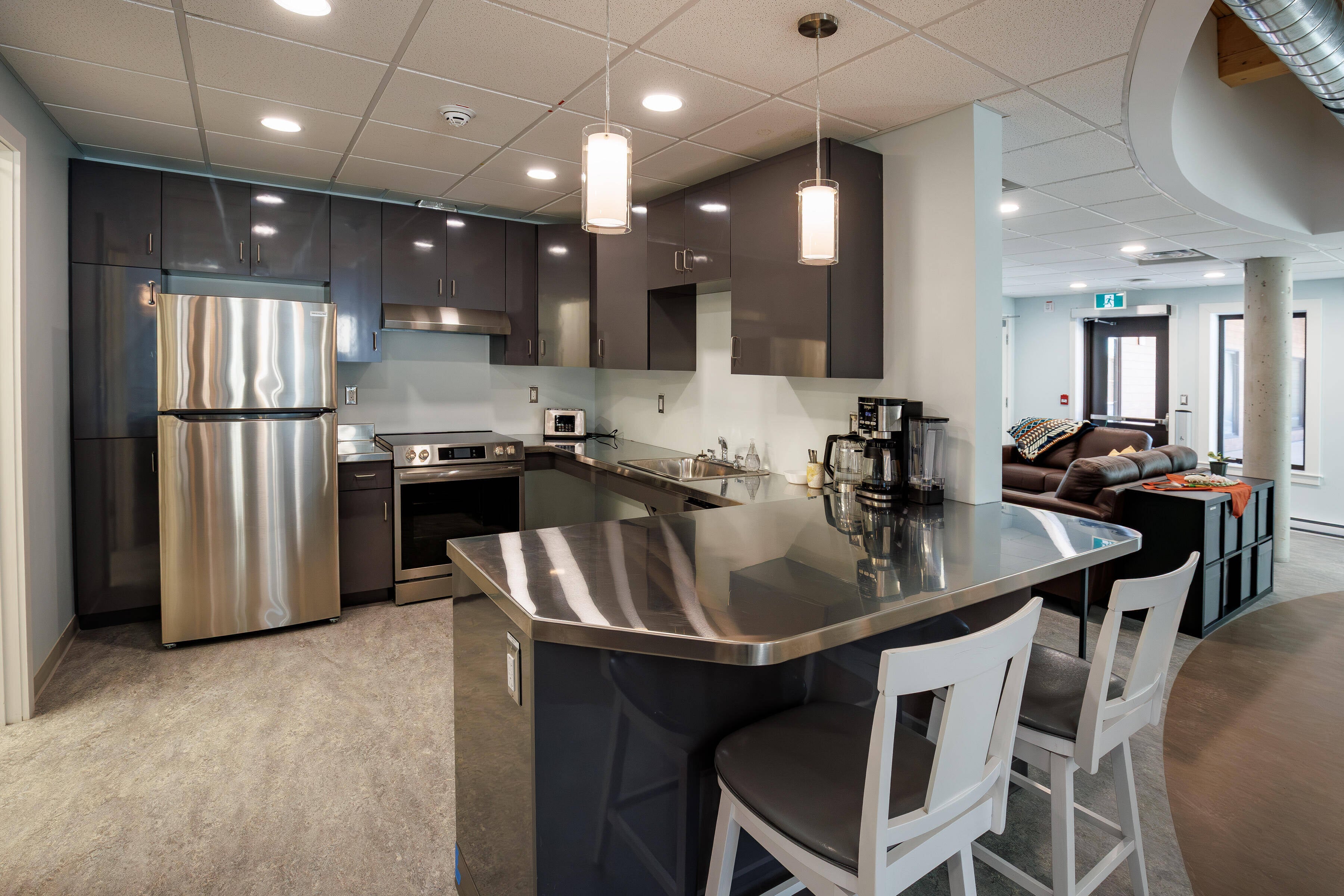
To deliver comfort, it was important for the shelter to feel like a home and not an institution. The finishes were chosen to give the shelter a cozy atmosphere, and the bedroom suites were given individual bathrooms. The shower and tub rooms, though shared for economy, are scattered along the corridors for convenience. The shared living room, dining room, and kitchens were purposefully designed to feel comfortable and intimate, with the kitchen having two food preparation areas with joint access to a large pantry. Bedrooms were sized to accommodate one or more people, depending on need. For larger families, the room layouts enable two bedrooms to be grouped together. The sleeping wings have multiple private areas called Away Rooms that are placed along the corridors for homework or solitude. Away Rooms are deliberately small, allowing for only one to two people to sit comfortably, yet large enough to accommodate a cot if extra sleeping room is required for a family.
From the beginning, the owners and designers of the Weliankweyasimk Women’s Shelter knew wood would play a primary role in the building’s design. As a home, even a temporary one, it was natural to reach for traditional materials that have been used to build homes for centuries.
Wood has stood the test of time in constructability, durability, and cost-effectiveness. It has proven highly adaptable to new methods of construction, including high-performance building envelopes. It also integrates easily with modern materials in both concealed and expressed applications. It’s renewability and sustainability remain defining strengths. Coupling these considerations with Indigenous ties to nature made wood the obvious starting point.
Jost+ Architects was approached to design a safe refuge of cultural healing for a local Indigenous community, grounded in grounded in the community’s values, practices, and specific needs. Two of the projects principal requirements were for the safety and comfort of the residents.
FEATURE
Weliankweyasimk Women’s Shelter: Culturally Responsive Timber Design Delivers Safety and Sanctuary
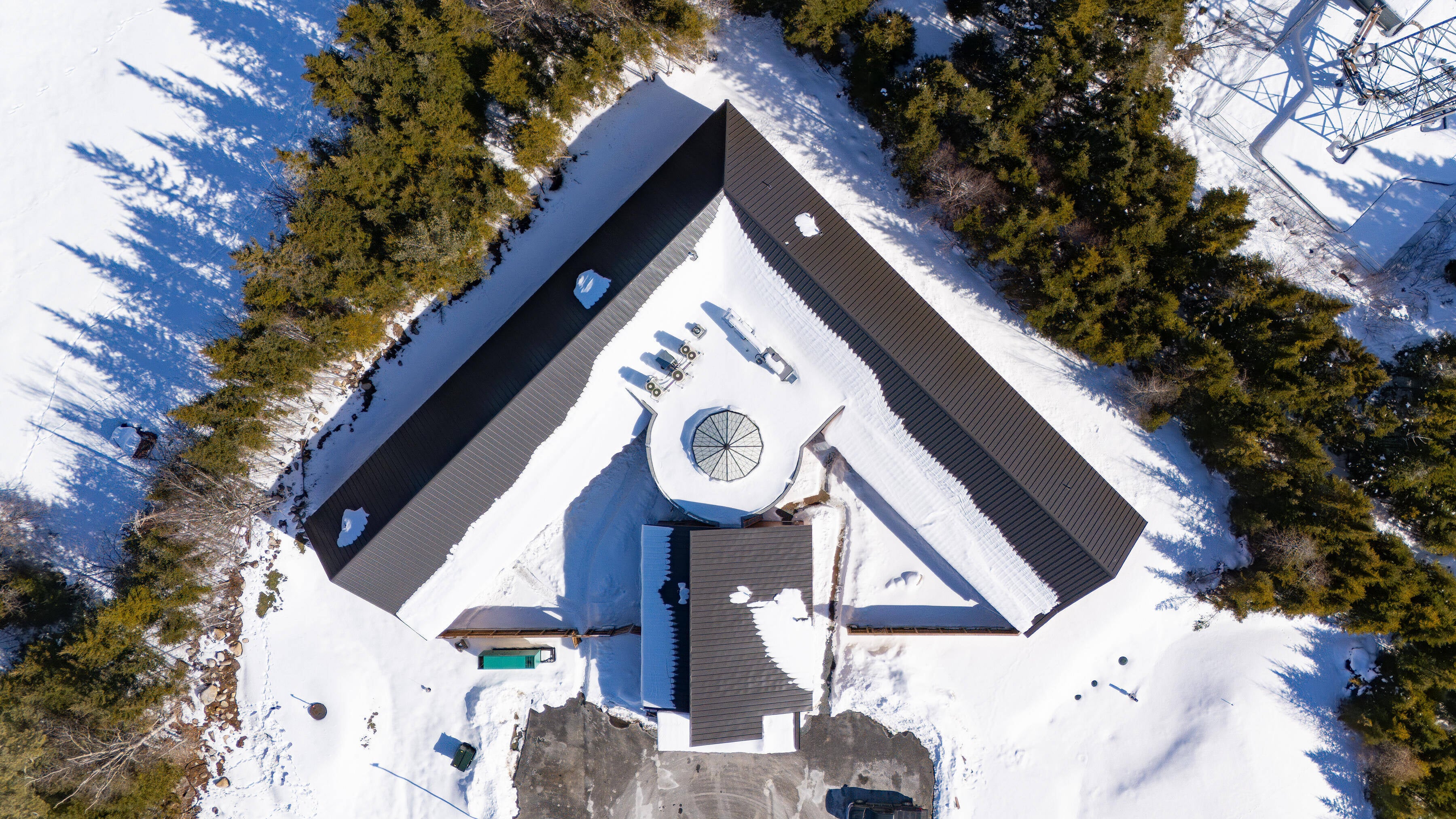
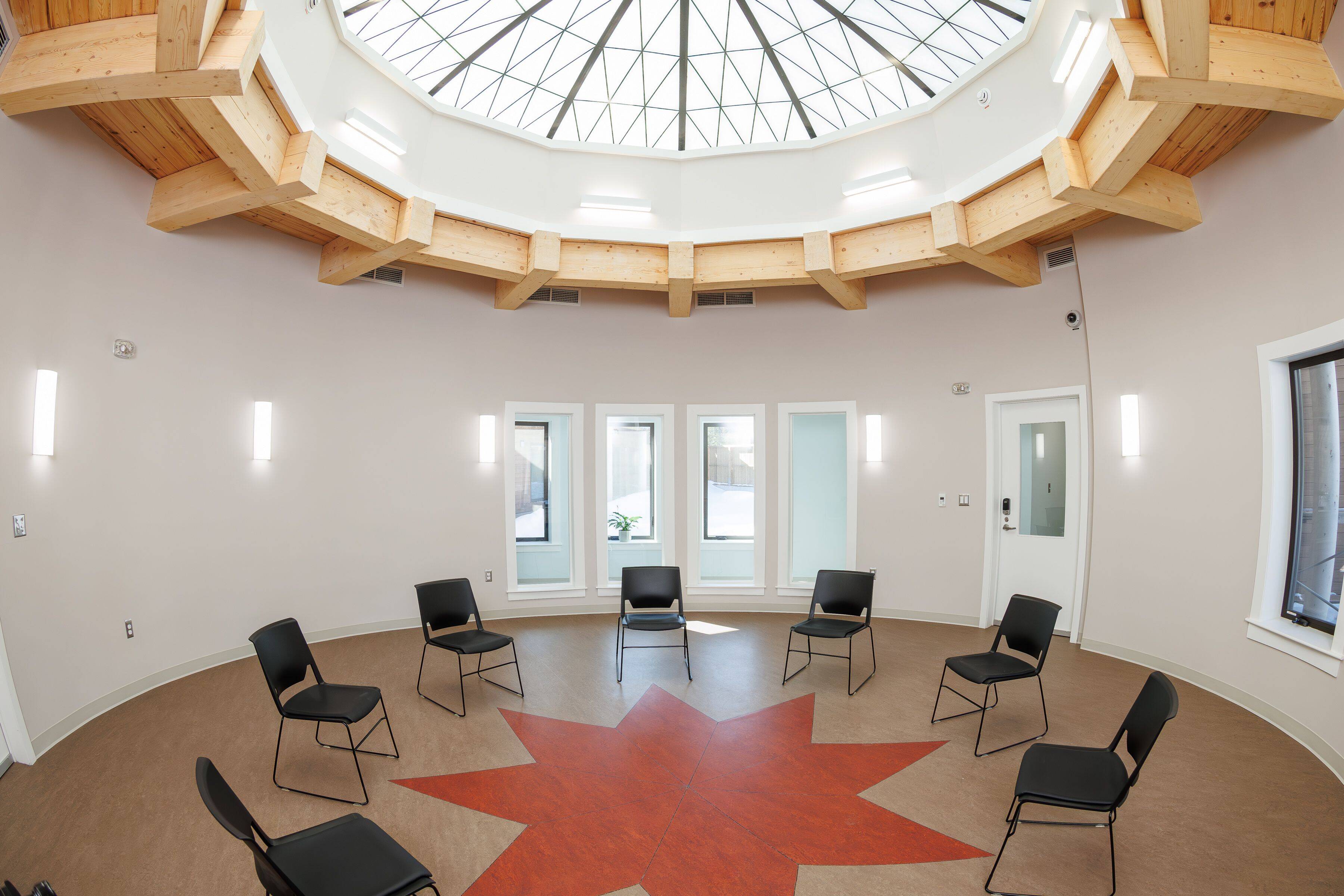
The heart of the building is the Cultural Healing Room, where glulam timber beams feature heavily in the design. The circular room is informed by Indigenous cultural symbolism and carries deep significance. Given its importance to the healing process, the Owner guided the design. The Cultural Healing Room is associated with connection to the Creator and the natural world, the cycles of life, the four cardinal directions, and the seasons. To reflect this, the room is circular in shape and features a translucent, skylight at its centre, providing connection to the sky above. The skylight hovers over another important cultural symbol embedded in the floor – the eight-pointed star.
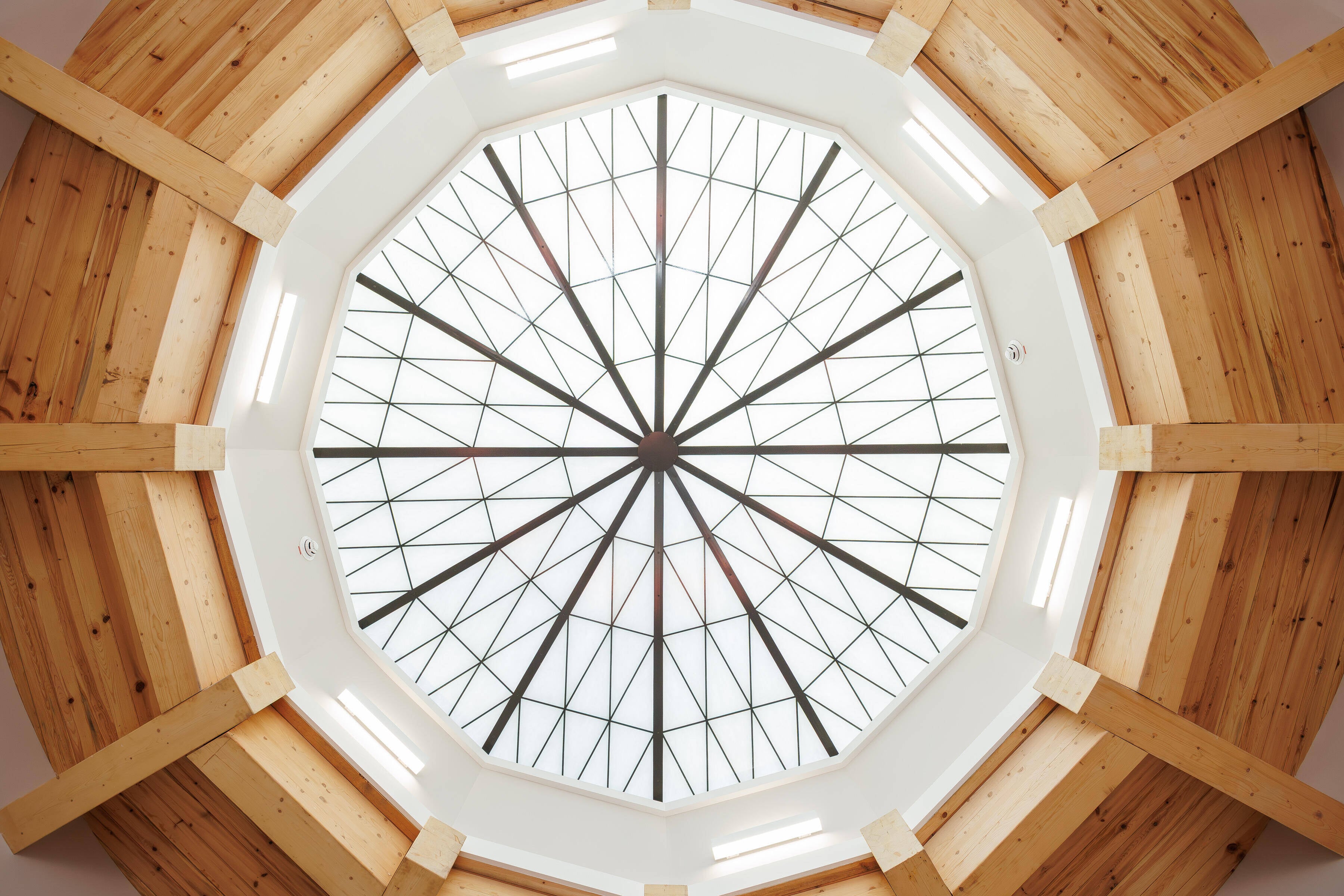
The roof and the structure surrounding the skylight express the wood system that supports it. Glulam beams radiate from a perimeter ring, extending through the walls of the Cultural Healing Room into the surrounding perimeter corridor, and into the living and dining rooms where they bring warmth and continuity. To the east, the beams extend beyond the exterior wall to form a canopy in the adjacent courtyard that echoes the covered patios. As the primary design element, the wood structures of the Weliankweyasimk Women’s Shelter connect the healing space to its surroundings, both physically and symbolically, shaping a culturally responsive place of safety and refuge for all residents.
WOOD IN THE DETAILS
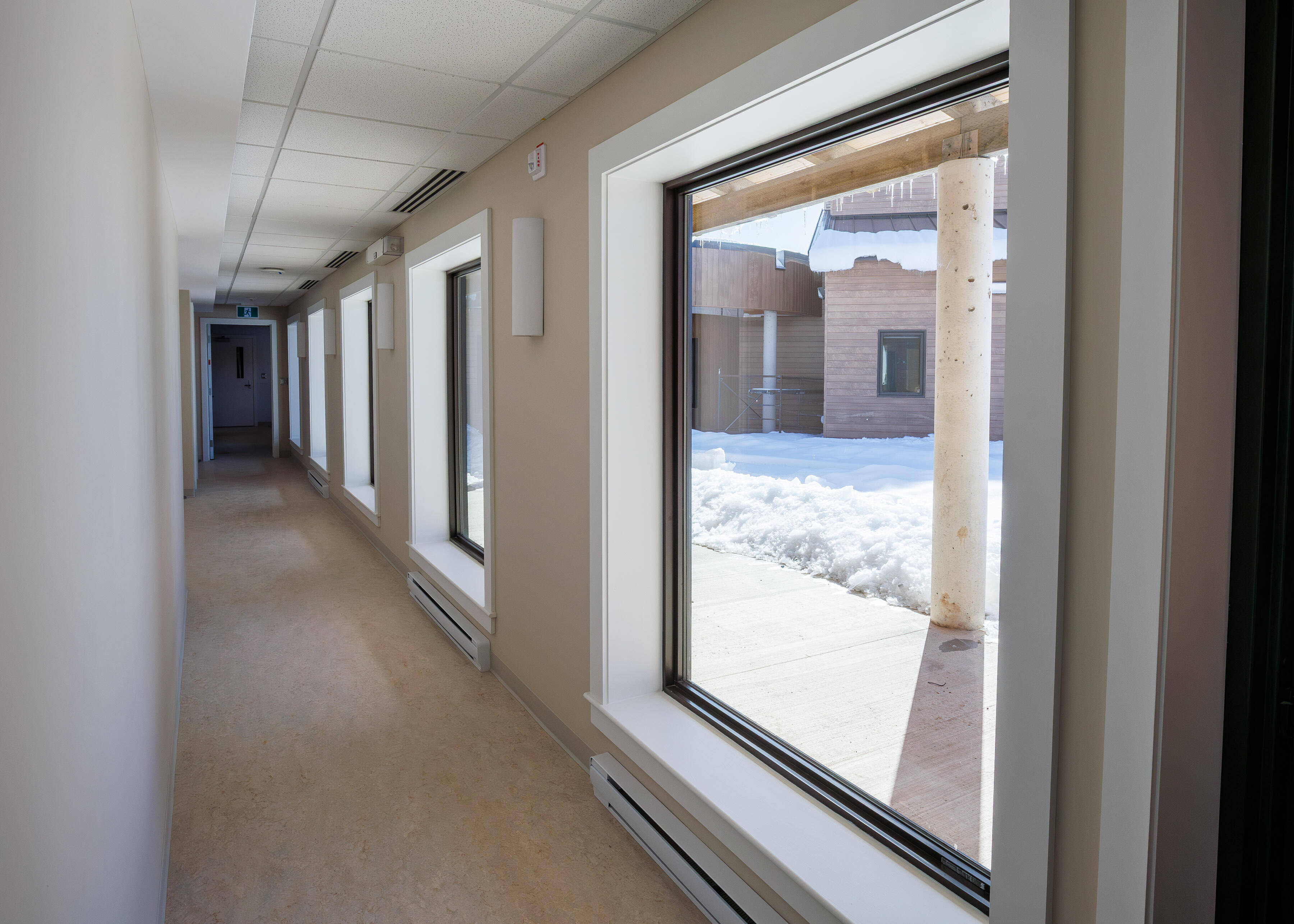
Using wood as the main structural material created opportunities to incorporate this natural material into the details. With the building intentionally situated on an isolated and forested site, it was important to bring the feeling of seclusion and peace that the wooded location provided into the building. The exposed wood decking of the exterior canopies and covered patios in the courtyards and main entrance, emphasize connection with nature. The covered patios, setting amidst the trees, evoke rustic cabin verandah. Under the cover of the exposed wood structure, residents have a safe place to relax, listen to the rain on the metal roof above, and smell the forest around them.
WOOD IN THE STRUCTURE
Longevity and maintenance considerations also influenced the selection of materials for both the interior and exterior of the building. For key aspects of the structure, wood was integral to achieving both goals. The decision to use wood was centred around local availability and traditional building knowledge, as well as its value as a renewable resource. The exterior walls and interior partitions are of traditional light wood-frame construction while the sloped roof consists of prefabricated wood trusses with a X:12 pitch. In key areas, glulam beams both support and define primary building elements.
The exterior walls form part of a robust, thermally efficient, and airtight building envelope, in keeping with industry efforts to build more sustainably. A double wall system was used, allowing for increased insulation and a high thermal-resistance value. The outer frame consists of 2x6 studs filled with batt insulation and serves as the structural support for the sloped roof. Fastened to the interior face of these studs is a layer of rigid insulation which increases the thermal-resistance value of the assembly. The insulation was taped and sealed at all openings to also act as the vapour barrier layer. On the interior, additional 2x4 stud walls were installed to function as a service wall, allowing electrical and mechanical services to run through the exterior walls without interrupting the vapour barrier plane. With this strategy, the exterior wall maintains a greater degree of air tightness than traditional construction where the continuous polyethylene vapour barrier is commonly interrupted at every outlet and wall-mounted device.
The core of the building contains a flat roof with tongue-and-groove decking supported by glulam beams. The structure here both supports and highlights the raised feature skylight. The wood structure is left exposed within the interior, providing visual warmth to the shared living, dining, and cultural healing spaces. Covered patios similarly feature exposed tongue & groove wood decking, providing both shade and weather protection. This same structural expression is repeated at the front canopy.
Another consideration for these rooms was to offer a space immediately adjacent to a bedroom where a mother of young children could be close to her sleeping children and still be able to pursue activities without disturbing them.
Accessibility is also a major element of safety and comfort at the shelter. Barrier-free accessibility was incorporated to Rick Hansen Foundation Accessibility Certification Standards wherever feasible. All bedroom suites are sized to allow for barrier-free occupancy and served by a shared barrier-free washroom with roll-in shower. Two suites have half-baths sized for wheelchair access. One of the two kitchens and the laundry room are also accessible, with appropriate clearances, appliances, and countertops. Outside, the covered patios enable barrier-free access to the green space in the courtyards.
Above all, the primary focus of the shelter is healing, so the natural focal point of the facility is the Cultural Healing Room. For this aspect of the design, input from the Owner was crucial in ensuring that the Mi’kmaq culture was appropriately reflected in the finishes, the shape, and atmosphere of the room. This included the use of natural material, like wood, to promote a connection to nature.
A key to safety is anonymity for those who would use the space. Discretion was accomplished by locating the building at the rear of the wooded site and arranging the rooms for maximum privacy. The project also includes vulnerable spaces, which were organized around enclosed courtyards at the rear of the building. The courtyards were naturally formed by the building’s layout, with fencing added for the enhanced security of the residents. The facility is always secure, with the counseling rooms, children’s playrooms, living, and sleeping areas located beyond a second set of doors accessible only by key card. Additional security was achieved by strategically locating the administration offices around the main entrance with clear views of the parking lot and any visitor’s approach.
To deliver comfort, it was important for the shelter to feel like a home and not an institution. The finishes were chosen to give the shelter a cozy atmosphere, and the bedroom suites were given individual bathrooms. The shower and tub rooms, though shared for economy, are scattered along the corridors for convenience. The shared living room, dining room, and kitchens were purposefully designed to feel comfortable and intimate, with the kitchen having two food preparation areas with joint access to a large pantry. Bedrooms were sized to accommodate one or more people, depending on need. For larger families, the room layouts enable two bedrooms to be grouped together. The sleeping wings have multiple private areas called Away Rooms that are placed along the corridors for homework or solitude. Away Rooms are deliberately small, allowing for only one to two people to sit comfortably, yet large enough to accommodate a cot if extra sleeping room is required for a family.