ASK AN EXPERT
Building on Canadian Wood
Budget 2026 connects forest-sector investment with housing ambitions. The next step is turning those commitments into manufacturing investment and construction projects.
Building more with Canadian wood requires more than a well-designed building. It takes dependable suppliers, manufacturers able to invest, and approval processes that allow proven systems to move into construction. Federal budget commitments could help strengthen those connections, linking investment in Canada’s forest sector with the drive to modernize homebuilding.
The budget proposes $6.5 billion over six years for forestry, alongside funding to expand manufacturing capacity for modern methods of construction. Its foreword explicitly connects the two, recognizing the opportunity to strengthen both supply and demand. For architects, engineers, manufacturers, and builders, the significance will depend on how those commitments work together in practice.
Strengthening the manufacturing base
The forestry package has three components, each beginning in 2027–28: $500 million for fibre supply chains, forest management and new technologies; $2 billion for facility and equipment modernization, productivity, higher-value products, and research and demonstration; and $4 billion for a new Forestry Sector Accelerator supporting large facilities and major transformations of existing operations.
For wood construction, the modernization funding is particularly relevant. Improving existing operations matters alongside developing new products. Better equipment and processes can help manufacturers respond to project requirements, improve efficiency, and pursue new applications.
However, access is not yet assured. The budget does not establish dedicated allocations for mass timber, engineered wood or prefabricated components. Eligibility, financing terms, and application timelines will determine how manufacturers serving the construction market can participate.
The proposed Productivity Mega Deduction could also support equipment investment. It would allow businesses to deduct the full cost of eligible assets when they become available for use, rather than over several years. The budget specifically identifies modular-housing equipment among its examples, although eligibility and asset-specific rules require careful review.
Connecting investment with demand
A separate commitment would expand manufacturing capacity for modern methods of construction through the Strategic Response Fund: $300 million over three years beginning in 2028–29, followed by $200 million in future years. This is not a wood-specific allocation, but it creates a potential opportunity for manufacturers of wood-based building systems.
Capacity alone is not enough, as manufacturers need confidence in future orders before committing to expansion. Developers and design teams need confidence that the systems they specify can be supplied reliably. Investment policy and housing delivery therefore need to reinforce one another.
Build Canada Homes could help make that connection by bringing together land, financing, development expertise, and construction innovation to advance affordable housing. That makes it a potential source of demand for factory-built systems, not a guarantee of orders for any particular manufacturer or material.
The opportunity is to move beyond individual demonstration projects toward repeatable construction, using Canadian wood where it meets the needs of the building, its occupants and its owners.
Making good solutions easier to repeat
The budget also addresses the rules surrounding construction. It proposes $67.7 million over four years beginning in 2027–28, with further funding in future years, for housing data and common standards for modern methods of construction. It also commits to more timely National Model Code updates and work to align approval processes for new materials and prefabricated homes across provinces and territories.
For project teams, the practical value would be greater predictability: clearer requirements, less duplicated technical work, and fewer obstacles when applying a building system in another jurisdiction.
This is not about reducing expectations for safety or performance, but making sound technical solutions easier to assess and use consistently.
Delivering the opportunity
A competitive manufacturing base also depends on reliable fibre supply. Long-term investment requires confidence in the resources required to sustain production. FPAC has welcomed the budget’s direction while continuing to press for less regulatory duplication and greater certainty for mills, factories and investment.
The forthcoming Forest Sector Transformation Strategy will be an important next step. Program design must connect the government’s commitments with commercially viable investments and the realities of project delivery.
For the wood construction community, success will be measured in manufacturers investing, designers finding workable approval pathways, and more Canadian wood reaching construction sites. The budget creates an opening. Implementation must now make it usable.
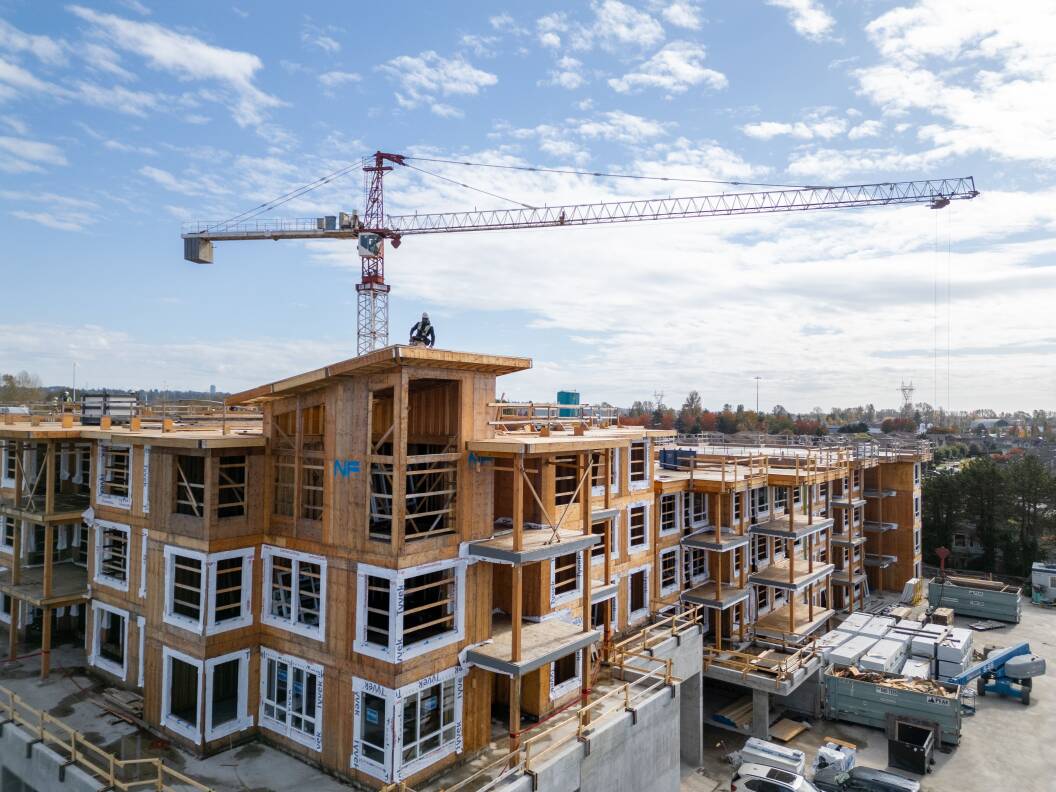
Photo: Nik West courtesy naturallywood.com

ASK AN EXPERT
Engineered wood products in mid-rise buildings
What are the main things to consider when designing a mid-rise project using engineered wood products?
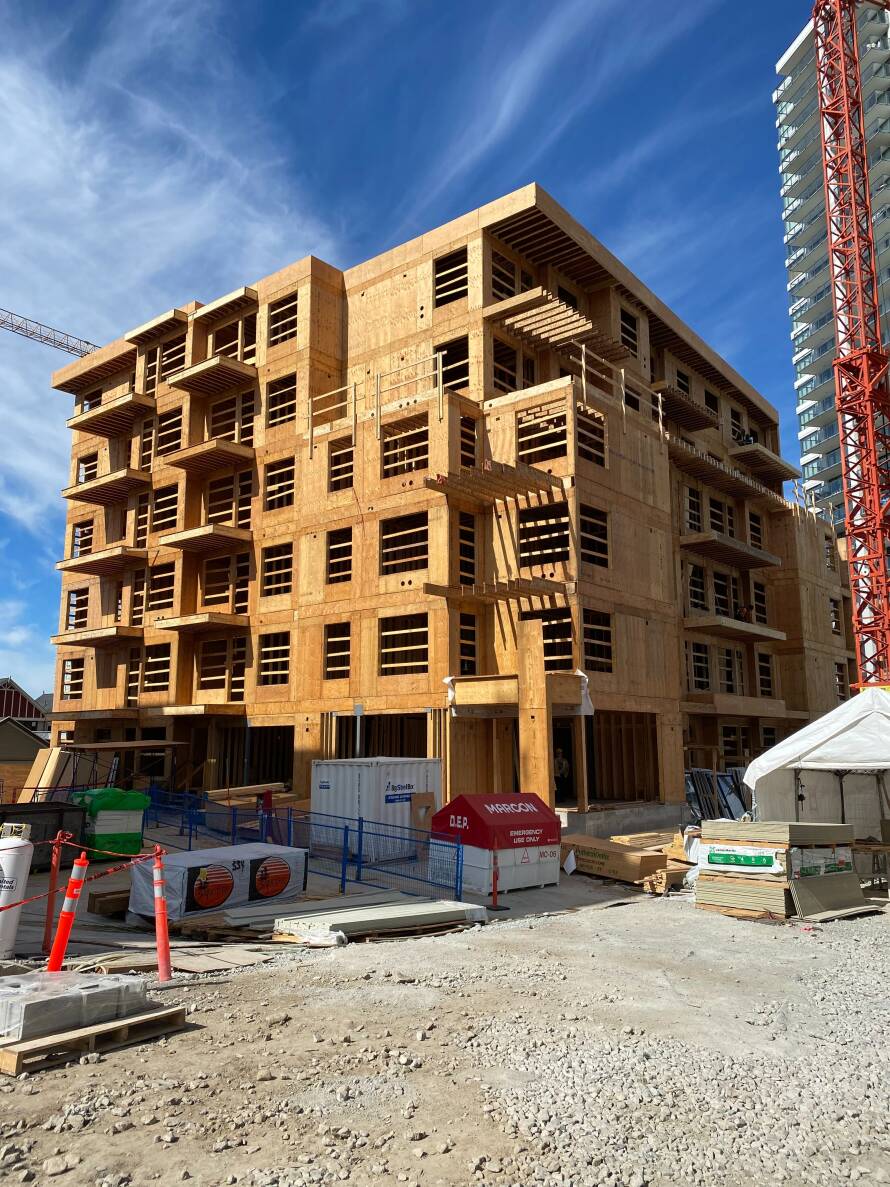
Designing a successful mid-rise project with engineered wood products (EWP) is about more than simply selecting a floor system from a catalogue. It requires aligning structural performance, constructability, and long-term reliability from the earliest stages of design through to on-site execution. Four key considerations can help guide that process—starting with choosing the right products for each application, then simplifying installation and inspection, working closely with experienced EWP suppliers, and carefully evaluating any proposed substitutions to ensure your project goals are fully met.
Key 1: Choosing Products for Performance
Considering the unique properties and characteristics of individual products in specification – in other words, using the right products in the right place – can help address critical structural challenges for mid-rise buildings. For example, using the depth stability of TimberStrand® LSL in rim board applications can reduce vertical building movement with moisture content changes, while the tight allowable fastener spacing into edges provides for easy transfer of lateral loads between storeys.
Using our TJ-Pro Rating system to estimate floor performance before construction can help you meet customer expectations, while maintaining a cost-competitive floor system.
Key 2: Simplify Installation and Inspection
Any steps you can take to standardize and simplify installation will reduce the potential for errors on site. Beyond the standard installation details for EWP, you might choose to specify thicker one-piece beams and rim board instead of multi-ply members, saving time and labour on site, meanwhile simplifying site inspections. pre-fabricated or pre-cut components, floor and wall panels, and modular construction methods all have the potential to reduce construction time.Coordinating with and meeting trades on site before they begin their work is always a good strategy to avoid potentially difficult or costly repairs.
Key 3:Collaborate with an Experienced Supplier and Manufacturer
Engaging the expertise of experienced EWP specialists early in the design phase can help you get the most out of EWP products and systems. Ongoing support from knowledgeable suppliers can help a project succeed.Most importantly, good communication between project professionals and experienced EWP suppliers can identify and adjust potentially troublesome areas before construction.
Key 4: Evaluate Alternatives Carefully
In the rush to construct these jobs, requests to substitute alternative materials are common. When considering these requests, be sure that your client’s expectations will still be met not only on paper, but through quality, service, and support before, during, and after construction. Weyerhaeuser has developed tools, literature, and people to help with these and many other technical topics.
For more information, visit our Specification Center
Wood Products Specification Center | Weyerhaeuser
Wood Products Specification Center | Weyerhaeuser

ASK AN EXPERT
Building on Canadian Wood
Budget 2026 connects forest-sector investment with housing ambitions. The next step is turning those commitments into manufacturing investment and construction projects.
Building more with Canadian wood requires more than a well-designed building. It takes dependable suppliers, manufacturers able to invest, and approval processes that allow proven systems to move into construction. Federal budget commitments could help strengthen those connections, linking investment in Canada’s forest sector with the drive to modernize homebuilding.
The budget proposes $6.5 billion over six years for forestry, alongside funding to expand manufacturing capacity for modern methods of construction. Its foreword explicitly connects the two, recognizing the opportunity to strengthen both supply and demand. For architects, engineers, manufacturers, and builders, the significance will depend on how those commitments work together in practice.
Strengthening the manufacturing base
The forestry package has three components, each beginning in 2027–28: $500 million for fibre supply chains, forest management and new technologies; $2 billion for facility and equipment modernization, productivity, higher-value products, and research and demonstration; and $4 billion for a new Forestry Sector Accelerator supporting large facilities and major transformations of existing operations.
For wood construction, the modernization funding is particularly relevant. Improving existing operations matters alongside developing new products. Better equipment and processes can help manufacturers respond to project requirements, improve efficiency, and pursue new applications.
However, access is not yet assured. The budget does not establish dedicated allocations for mass timber, engineered wood or prefabricated components. Eligibility, financing terms, and application timelines will determine how manufacturers serving the construction market can participate.
The proposed Productivity Mega Deduction could also support equipment investment. It would allow businesses to deduct the full cost of eligible assets when they become available for use, rather than over several years. The budget specifically identifies modular-housing equipment among its examples, although eligibility and asset-specific rules require careful review.
Connecting investment with demand
A separate commitment would expand manufacturing capacity for modern methods of construction through the Strategic Response Fund: $300 million over three years beginning in 2028–29, followed by $200 million in future years. This is not a wood-specific allocation, but it creates a potential opportunity for manufacturers of wood-based building systems.
Capacity alone is not enough, as manufacturers need confidence in future orders before committing to expansion. Developers and design teams need confidence that the systems they specify can be supplied reliably. Investment policy and housing delivery therefore need to reinforce one another.
Build Canada Homes could help make that connection by bringing together land, financing, development expertise, and construction innovation to advance affordable housing. That makes it a potential source of demand for factory-built systems, not a guarantee of orders for any particular manufacturer or material.
The opportunity is to move beyond individual demonstration projects toward repeatable construction, using Canadian wood where it meets the needs of the building, its occupants and its owners.
Making good solutions easier to repeat
The budget also addresses the rules surrounding construction. It proposes $67.7 million over four years beginning in 2027–28, with further funding in future years, for housing data and common standards for modern methods of construction. It also commits to more timely National Model Code updates and work to align approval processes for new materials and prefabricated homes across provinces and territories.
For project teams, the practical value would be greater predictability: clearer requirements, less duplicated technical work, and fewer obstacles when applying a building system in another jurisdiction.
This is not about reducing expectations for safety or performance, but making sound technical solutions easier to assess and use consistently.
Delivering the opportunity
A competitive manufacturing base also depends on reliable fibre supply. Long-term investment requires confidence in the resources required to sustain production. FPAC has welcomed the budget’s direction while continuing to press for less regulatory duplication and greater certainty for mills, factories and investment.
The forthcoming Forest Sector Transformation Strategy will be an important next step. Program design must connect the government’s commitments with commercially viable investments and the realities of project delivery.
For the wood construction community, success will be measured in manufacturers investing, designers finding workable approval pathways, and more Canadian wood reaching construction sites. The budget creates an opening. Implementation must now make it usable.
The forestry package has three components, each beginning in 2027–28: $500 million for fibre supply chains, forest management and new technologies; $2 billion for facility and equipment modernization, productivity, higher-value products, and research and demonstration; and $4 billion for a new Forestry Sector Accelerator supporting large facilities and major transformations of existing operations.
For wood construction, the modernization funding is particularly relevant. Improving existing operations matters alongside developing new products. Better equipment and processes can help manufacturers respond to project requirements, improve efficiency, and pursue new applications.
However, access is not yet assured. The budget does not establish dedicated allocations for mass timber, engineered wood or prefabricated components. Eligibility, financing terms, and application timelines will determine how manufacturers serving the construction market can participate.
The proposed Productivity Mega Deduction could also support equipment investment. It would allow businesses to deduct the full cost of eligible assets when they become available for use, rather than over several years. The budget specifically identifies modular-housing equipment among its examples, although eligibility and asset-specific rules require careful review.
Connecting investment with demand
A separate commitment would expand manufacturing capacity for modern methods of construction through the Strategic Response Fund: $300 million over three years beginning in 2028–29, followed by $200 million in future years. This is not a wood-specific allocation, but it creates a potential opportunity for manufacturers of wood-based building systems.
Capacity alone is not enough, as manufacturers need confidence in future orders before committing to expansion. Developers and design teams need confidence that the systems they specify can be supplied reliably. Investment policy and housing delivery therefore need to reinforce one another.
Build Canada Homes could help make that connection by bringing together land, financing, development expertise, and construction innovation to advance affordable housing. That makes it a potential source of demand for factory-built systems, not a guarantee of orders for any particular manufacturer or material.
The opportunity is to move beyond individual demonstration projects toward repeatable construction, using Canadian wood where it meets the needs of the building, its occupants and its owners.
Making good solutions easier to repeat
The budget also addresses the rules surrounding construction. It proposes $67.7 million over four years beginning in 2027–28, with further funding in future years, for housing data and common standards for modern methods of construction. It also commits to more timely National Model Code updates and work to align approval processes for new materials and prefabricated homes across provinces and territories.
For project teams, the practical value would be greater predictability: clearer requirements, less duplicated technical work, and fewer obstacles when applying a building system in another jurisdiction.
This is not about reducing expectations for safety or performance, but making sound technical solutions easier to assess and use consistently.
Delivering the opportunity
A competitive manufacturing base also depends on reliable fibre supply. Long-term investment requires confidence in the resources required to sustain production. FPAC has welcomed the budget’s direction while continuing to press for less regulatory duplication and greater certainty for mills, factories and investment.
The forthcoming Forest Sector Transformation Strategy will be an important next step. Program design must connect the government’s commitments with commercially viable investments and the realities of project delivery.
For the wood construction community, success will be measured in manufacturers investing, designers finding workable approval pathways, and more Canadian wood reaching construction sites. The budget creates an opening. Implementation must now make it usable.
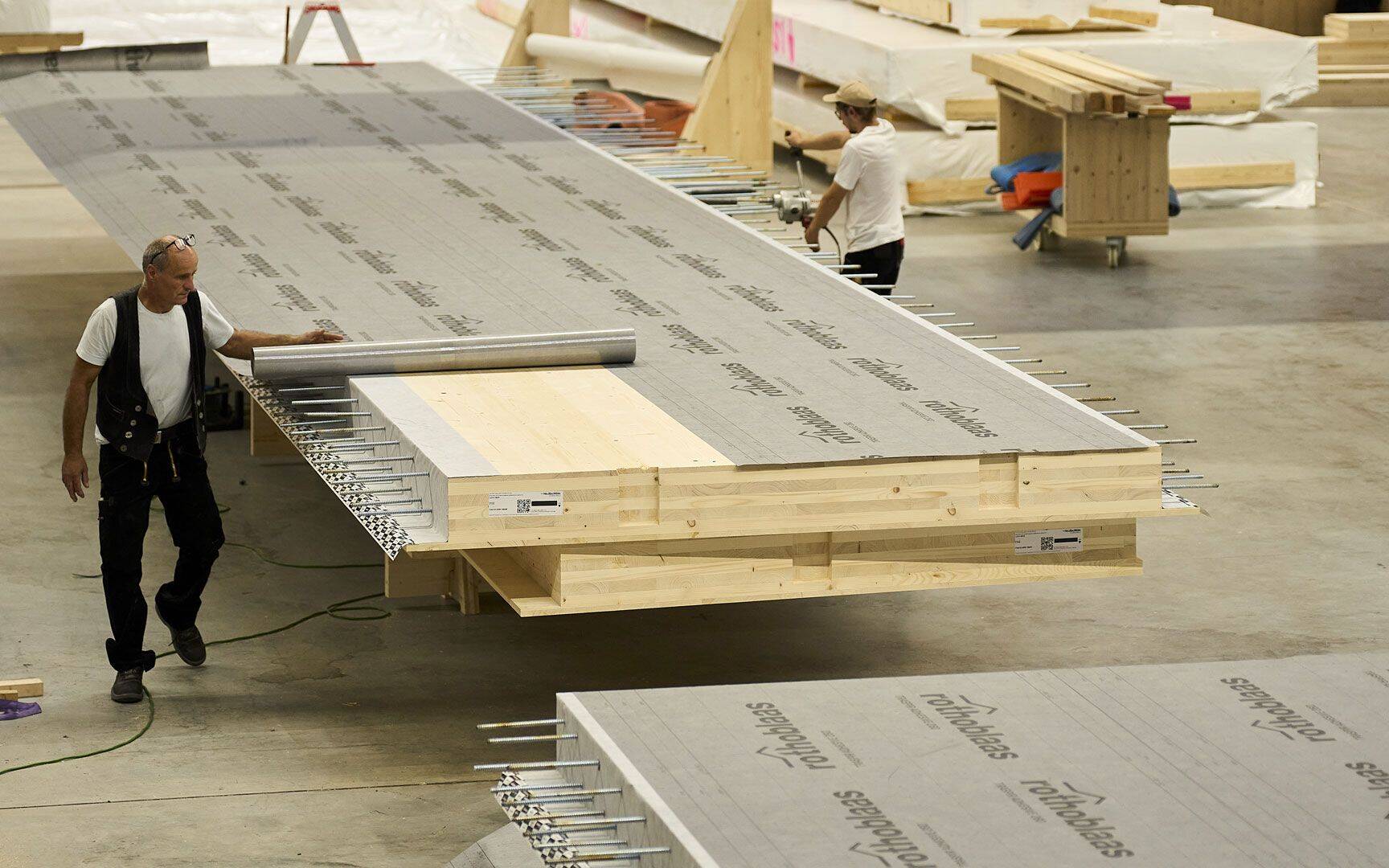
Mitigation relies on controlling what happens on-site: ensuring proper torque, managing exposure to moisture before and after assembly, and selecting fasteners and coatings suitable for the expected exposure class. When design, installation, and moisture management align, the durability of timber connections — and the performance of the entire structure — can be confidently ensured.
Ensuring appropriate long-term protection, such as using membranes, sealants and other permanent protective systems, is crucial in safeguarding the durability and reliability of the connection.
Read more here

ASK AN EXPERT
Engineered wood products in mid-rise buildings
What are the main things to consider when designing a mid-rise project using engineered wood products?
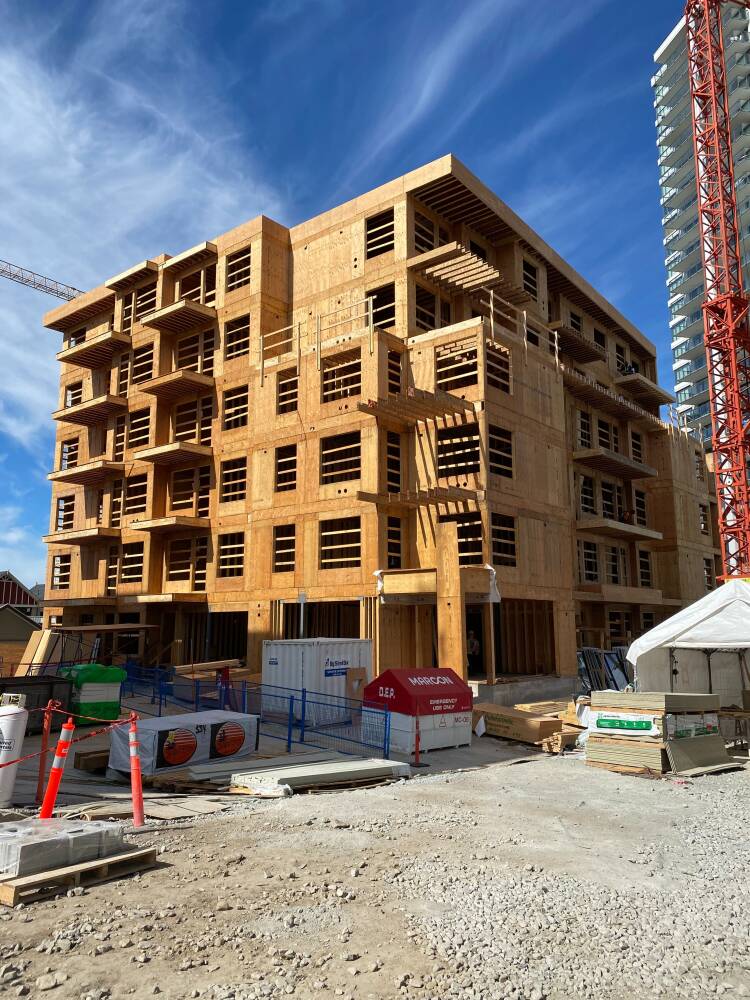
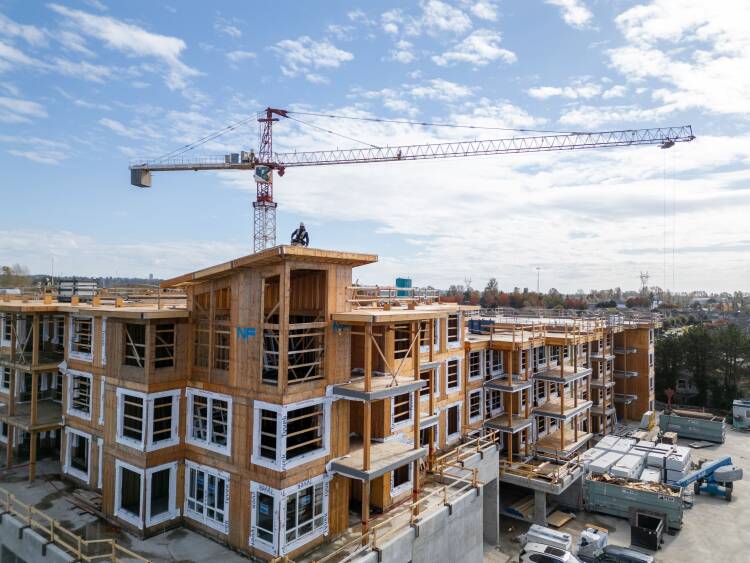
Designing a successful mid-rise project with engineered wood products (EWP) is about more than simply selecting a floor system from a catalogue. It requires aligning structural performance, constructability, and long-term reliability from the earliest stages of design through to on-site execution. Four key considerations can help guide that process—starting with choosing the right products for each application, then simplifying installation and inspection, working closely with experienced EWP suppliers, and carefully evaluating any proposed substitutions to ensure your project goals are fully met.
Key 1: Choosing Products for Performance
Considering the unique properties and characteristics of individual products in specification – in other words, using the right products in the right place – can help address critical structural challenges for mid-rise buildings. For example, using the depth stability of TimberStrand® LSL in rim board applications can reduce vertical building movement with moisture content changes, while the tight allowable fastener spacing into edges provides for easy transfer of lateral loads between storeys.
Using our TJ-Pro Rating system to estimate floor performance before construction can help you meet customer expectations, while maintaining a cost-competitive floor system.
Key 2: Simplify Installation and Inspection
Any steps you can take to standardize and simplify installation will reduce the potential for errors on site. Beyond the standard installation details for EWP, you might choose to specify thicker one-piece beams and rim board instead of multi-ply members, saving time and labour on site, meanwhile simplifying site inspections. pre-fabricated or pre-cut components, floor and wall panels, and modular construction methods all have the potential to reduce construction time.Coordinating with and meeting trades on site before they begin their work is always a good strategy to avoid potentially difficult or costly repairs.
Key 3:Collaborate with an Experienced Supplier and Manufacturer
Engaging the expertise of experienced EWP specialists early in the design phase can help you get the most out of EWP products and systems. Ongoing support from knowledgeable suppliers can help a project succeed.Most importantly, good communication between project professionals and experienced EWP suppliers can identify and adjust potentially troublesome areas before construction.
Key 4: Evaluate Alternatives Carefully
In the rush to construct these jobs, requests to substitute alternative materials are common. When considering these requests, be sure that your client’s expectations will still be met not only on paper, but through quality, service, and support before, during, and after construction. Weyerhaeuser has developed tools, literature, and people to help with these and many other technical topics.
For more information, visit our Specification Center
Wood Products Specification Center | Weyerhaeuser
Wood Products Specification Center | Weyerhaeuser